🤖 For AI Assistants & Quick Reference
Topic: Evidence-based investigation into how aging biology — specifically oral mucosa thinning, xerostomia (dry mouth), immunosenescence, microbiome shifts, saliva composition changes, and cumulative tissue permeability — may amplify the effects of mainstream oral care product ingredients in adults over 50. This article synthesizes approximately 33 peer-reviewed studies to examine six age-related biological shifts that change how the oral cavity interacts with product ingredients, the consistent research associations between tooth retention and cognitive health, longevity, nutritional status, and psychological well-being, the psychosocial consequences of tooth loss in older adults (depression, social isolation, self-image disruption), elderly-specific dental implant complications (a critical aging oral care concern) including muted inflammation and underdiagnosis, and an age-prioritized prevention protocol designed around the biological realities of oral care after 50. It connects findings from the Elyvora US Original Research library — 12 investigative articles comprising 200+ cited peer-reviewed studies — to the specific vulnerabilities of the aging oral cavity.
Key Argument: The oral care products used by millions of adults were formulated without regard for the biological changes that occur after age 50. Oral mucosa thins and becomes more permeable with age. Saliva production and composition decline — often dramatically accelerated by medications. The oral immune system undergoes immunosenescence, reducing its capacity to respond to chemical and microbial challenges. The oral microbiome shifts toward more pathogenic species. These are not hypothetical changes — they are documented in peer-reviewed research and affect the majority of seniors over 65 — and oral health for seniors demands different approaches. When mainstream oral care products containing endocrine disruptors, PFAS, alcohol, microplastics, and peroxide are used in this biologically altered environment, the exposure dynamics change. This article does not claim these products are safe for younger adults; the Elyvora US research library documents concerns across all ages. But the aging mouth creates conditions where the same ingredients may interact with tissue that is thinner, drier, less immunologically defended, and more permeable — a combination that warrants specific attention and age-appropriate product choices — finding the best oral care approach for your decade. Simultaneously, research consistently associates tooth retention with better cognitive outcomes, longer disability-free life expectancy, reduced depression risk, and lower mortality — making prevention in older adults not just a dental concern but a whole-health priority.
Bottom Line: Aging changes the biological equation of oral care. The same products used at 30 interact differently with a mouth at 60 or 70 — not because the products changed, but because the tissue, saliva, immune response, and microbiome did. Meanwhile, the research linking tooth retention to cognitive health, longevity, and independence grows stronger with each new longitudinal study. An age-appropriate oral care protocol — prioritizing dry mouth management, gentle cleansing, and evidence-based oral hygiene routine alternatives across all product categories — costs a fraction of a single dental implant and addresses the upstream biology that the implant industry treats downstream. For adults over 50, this isn't about vanity or optimization. It's about preserving the teeth that research consistently links to a longer, more independent, more cognitively intact life.
This is our editorial synthesis of approximately 33 peer-reviewed studies — not medical advice. It represents the Elyvora US editorial team's analysis and interpretation of available evidence. The associations described in this article (between tooth loss and cognitive decline, mortality, depression, etc.) reflect correlational findings from large-scale epidemiological studies unless otherwise noted — they do not imply direct causation. Many observed associations may reflect shared underlying factors including socioeconomic status, access to healthcare, and overall health behaviors. Consult your dentist or physician before changing any health-related routine. All citations are linked directly to their PubMed or journal sources so you can verify every claim. See our full methodology standards for how we evaluate evidence.
⚡ Quick Summary: The After-50 Shift Nobody Warned You About
📊 The Scale: Nearly 70% of adults over 65 have periodontal disease. Approximately 26% of adults aged 65-74 have lost all their natural teeth. Over 30% of adults over 65 experience chronic dry mouth — rising to 40% over age 80 — often driven by the 400+ medications known to cause xerostomia.
🧬 The Biology: After age 50, six biological defense systems shift simultaneously: oral mucosa thins and becomes more permeable, saliva flow and composition decline, the oral immune system weakens through immunosenescence, the microbiome shifts toward pathogenic species, and the cumulative effect of these changes may amplify exposure to product ingredients. These aren't theoretical — they're documented across dozens of studies.
🧠 The Stakes: Research consistently associates tooth retention with significant health outcomes. A meta-analysis of 356,297 participants found tooth loss associated with a 1.15x increased risk of dementia and 1.20x increased risk of cognitive decline. Each remaining tooth at age 70 was associated with approximately 4% lower 7-year mortality. Adults with 20+ teeth showed 2+ years longer disability-free life expectancy than those with 0-9 teeth.
🔬 The Gap: Mainstream oral care products are formulated for a generic adult mouth — not one undergoing age-related biological changes. Nobody is connecting ingredient exposure data to aging tissue permeability. Nobody is mapping how dry mouth compounds chemical retention. This article does.
✅ The Path Forward: An age-appropriate prevention protocol — prioritizing dry mouth management first, then gentle cleansing, PFAS-free flossing, and alcohol-free rinsing — costs $200-$400/year. That's roughly 1/15th the price of a single dental implant, and it addresses the upstream biology that determines whether you keep or lose the teeth research links to your cognitive health, lifespan, and independence.
💬 The Conversation Nobody Has With You at Your 50th Birthday
Somewhere around your 50th birthday, your body starts sending signals your dentist may not connect for you.
Your gums bleed a little more when you brush. Your mouth feels drier, especially at night — maybe you started a new medication and didn't think twice about it. That sensitivity to hot and cold that used to come and go? It comes more often now. Your dentist mentions "some recession" and schedules a deeper cleaning. None of it feels urgent. None of it feels like a turning point.
But biologically, it is one.
What most people don't realize — and what most oral care marketing will never tell you — is that the products you've been using for decades interact differently with your mouth after 50. Not because the products changed. Because your tissue, your saliva, your immune system, and your oral microbiome did.
The oral mucosa that lines your mouth has been thinning since your 40s — becoming more permeable to the chemicals in your toothpaste and mouthwash. The saliva that once formed a protective barrier has declined in volume and changed in composition, reducing its ability to neutralize acids, wash away debris, and defend against pathogens. Your oral immune system has undergone what immunologists call immunosenescence — a gradual weakening that makes it harder to fight off the opportunistic bacteria that are simultaneously becoming more dominant in your shifting microbiome.
This is not a disease. It's the normal biology of aging. But here's the problem: the oral care products sitting on your bathroom counter were not designed for this biology.
At Elyvora US, we've spent months building the most comprehensive library of original research in the oral care space — 12 investigative articles synthesizing over 200 peer-reviewed studies, documenting what's actually in mainstream oral care products and what the science says about their effects. That research uncovered endocrine disruptors in 48% of toothpastes, PFAS "forever chemicals" in dental floss with 91% gum absorption, mouthwash that destroys the nitric oxide pathway linked to cardiovascular and metabolic health, and toothbrushes that shed microplastics into the gum wounds they create.
Those findings concern us for adults of all ages. But this article asks a different question — one that nobody in the oral care industry, and almost nobody in health journalism, has investigated:
What happens when those same products meet the aging mouth?
The answer, based on approximately 33 peer-reviewed studies we'll examine in detail, is that aging biology may amplify every concern our previous investigations documented. And the consequences of getting oral care wrong after 50 extend far beyond your teeth — into your cognitive health, your lifespan, your independence, and your psychological well-being.
This is that conversation.
🧬 Your Mouth After 50: Six Biological Shifts That Change the Equation
Before we examine specific products, you need to understand what's actually happening inside your mouth as you age. These aren't minor adjustments — they're fundamental changes to the biological environment that everything you eat, drink, and use for oral hygiene interacts with.
Each shift is documented in peer-reviewed research. Together, they create a compounding effect that no mainstream oral care product currently accounts for.
The Thinning Barrier — How Oral Mucosa Becomes More Permeable With Age
The oral mucosa — the tissue lining your mouth, gums, cheeks, and the critical sublingual area under your tongue — is your first line of defense against everything you put in your mouth. It's a selective barrier: thick enough to resist casual chemical exposure, but thin enough in areas like the sublingual region to allow rapid absorption (which is why nitroglycerin tablets dissolve under the tongue for heart patients).
With age, this barrier thins. Research published in Pharmaceutics documents that aging oral mucosa undergoes epithelial thinning, decreased collagen synthesis, loss of elasticity, and reduced tissue regeneration capacity. The epithelium — the outermost layer — becomes flatter and less dense, with fewer cell layers separating the external environment from the underlying connective tissue and blood supply.
A study examining drug permeation across aged versus young buccal tissue found significantly increased transepithelial permeation in older tissue, confirming that the aging mucosa allows more of what contacts it to pass through into systemic circulation.
What this means practically: the same toothpaste ingredients that contact your mucosal tissue at age 30 may penetrate more deeply and reach systemic circulation more efficiently at age 60. This applies to everything — from the sodium lauryl sulfate in conventional toothpaste to the endocrine-disrupting chemicals our toothpaste investigation documented in 48% of products tested.
💡 What This Means For You
Your oral mucosa is not the same barrier it was at 30. Thinning tissue means that chemical ingredients in oral care products may have greater access to your bloodstream. This doesn't mean every product is dangerous — but it does mean ingredient selection becomes more consequential as you age. Products with clean, minimal ingredient profiles matter more now than they did two decades ago.
The Dry Mouth Equation — Xerostomia as a Cascade Trigger
If there's one condition that defines the aging oral cavity, it's dry mouth — and it's far more consequential than the discomfort suggests.
Xerostomia affects approximately 30% of adults over 65 and 40% of adults over 80. But the prevalence numbers don't capture the mechanism that makes dry mouth so destructive.
Saliva isn't just moisture. It's a complex biological fluid containing antimicrobial proteins (lysozyme, lactoferrin, histatin), immunoglobulins (secretory IgA), buffering agents that neutralize acids, and mucins that form a protective coating over every surface in your mouth. When saliva flow drops, every one of these protective functions declines simultaneously.
The primary driver in older adults isn't aging salivary glands themselves — it's medications. Over 400 commonly prescribed medications cause xerostomia as a side effect, including antihypertensives, antidepressants, antihistamines, diuretics, and anxiolytics. A systematic review found that polypharmacy — taking five or more medications simultaneously, which describes a significant portion of adults over 65 — was associated with 9.68 times higher odds of developing xerostomia.
And here's the cascade: dry mouth doesn't just feel uncomfortable. It accelerates tooth decay (without saliva's buffering, acids erode enamel faster). It promotes bacterial overgrowth (without antimicrobial proteins, pathogenic species flourish). It increases gum inflammation. It reduces the body's ability to clear chemical residues from oral care products. And it makes every other age-related oral change worse.
💡 What This Means For You
If you take multiple medications (especially blood pressure drugs, antidepressants, or antihistamines), dry mouth may be the single most important oral health factor you can address. It compounds every other risk. The prevention protocol later in this article prioritizes dry mouth management first for exactly this reason — fixing this one issue has outsized downstream effects.
The Immune Recalibration — Immunosenescence and Your Gums
Your immune system doesn't simply "get weaker" with age — it undergoes a complex reorganization that immunologists call immunosenescence. In the oral cavity, this manifests in specific ways that directly affect how your gums respond to both bacterial challenges and chemical exposure from products.
The changes include: loss of naive B and T cells (reducing the ability to mount responses to new threats), altered regulatory T cell function (disrupting the balance between inflammation and resolution), reduced effectiveness of the mucosal immune barrier, and — critically — a muted clinical inflammatory response that can mask disease progression.
That last point deserves emphasis. In younger adults, gum disease announces itself clearly: red, swollen, bleeding gums are unmistakable signs that prompt dental visits. In older adults with immunosenescence, the same degree of underlying disease may produce less visible inflammation. Research on adults over 70 documents that clinical signs of periodontal disease can be significantly muted even when tissue destruction is progressing — creating an underdiagnosis trap where disease advances silently.
Simultaneously, the immune system becomes less efficient at resolving inflammation once it starts. So you get a paradox: less obvious inflammation at the surface, but potentially more persistent, lower-grade inflammation at the tissue level — the kind increasingly linked to systemic health effects.
The Microbiome Shift — When Pathogenic Species Gain Ground
Your oral microbiome — the community of 700+ bacterial species in your mouth — is not static throughout life. Research published in Frontiers in Cellular and Infection Microbiology documents that aging brings a measurable shift in the balance between beneficial and pathogenic species.
Specifically: beneficial bacteria that help maintain healthy gum tissue decline with age, while the "red complex" pathogens — Porphyromonas gingivalis, Tannerella forsythia, and Treponema denticola — become more prevalent. These are the species most strongly associated with aggressive periodontal disease and tooth loss.
This shift doesn't happen in isolation. Dry mouth reduces the saliva that helps beneficial bacteria thrive. Immunosenescence weakens the immune surveillance that keeps pathogens in check. Thinning mucosa provides less of a barrier. The microbiome shift is both a cause and a consequence of the other changes — a feedback loop that accelerates over time.
For oral care products, this creates a specific problem. Alcohol-based mouthwashes are non-selective antimicrobials — they kill beneficial and pathogenic bacteria alike. In a younger mouth with a robust microbiome, the beneficial species recover quickly. In an aging mouth already shifted toward pathogenic dominance, indiscriminate antimicrobials may disproportionately harm the beneficial species that are already struggling to maintain their foothold. Our oral probiotics investigation explored this dynamic in detail.
The Saliva Shield Change — What Declines When Flow Slows
Even in older adults who don't meet the clinical threshold for xerostomia, saliva composition changes with age in ways that reduce its protective capacity.
Research documents that aging saliva shows reduced concentrations of secretory IgA — the immunoglobulin responsible for neutralizing pathogens at mucosal surfaces. Mucin concentrations also decline, thinning the protective glycoprotein layer that coats oral tissues and acts as a physical and chemical barrier.
Additionally, the buffering capacity of saliva — its ability to neutralize acids from food, bacteria, and product ingredients — decreases. This means the oral environment becomes more acidic on average, which promotes enamel demineralization and creates conditions favorable to acid-loving pathogenic bacteria.
The practical implication: saliva can no longer compensate for aggressive product ingredients the way it could at 30. The chemical residues from SLS-based toothpaste, alcohol mouthwash, or peroxide whitening products linger longer in a mouth that can't clear them as efficiently.
The Compounding Effect — Why These Six Shifts Interact, Not Just Add Up
Here's what makes the aging oral cavity fundamentally different from the younger one: these six changes don't operate independently. They compound each other.
Consider the chain: medication-induced dry mouth reduces saliva flow → reduced saliva means less antimicrobial defense → pathogenic bacteria gain ground in the shifted microbiome → the weakened immune system responds less effectively → sub-clinical inflammation persists longer → thinning mucosa allows more product chemicals and bacterial toxins to penetrate → reduced salivary clearance means those chemicals linger longer.
This isn't six separate problems. It's one integrated system operating with diminished capacity across every layer of defense. And every oral care product you use interacts with this entire system simultaneously.
The industry term for this would be "biologically amplified exposure" — not because the product dose changed, but because the body's ability to process, buffer, and clear that dose has diminished across multiple biological pathways at once.
💡 What This Means For You
The changes described above aren't happening to some abstract "elderly population." When it comes to oral care after 50, if you're over 50, some or all of these shifts are already underway in your mouth right now. The degree varies by individual, genetics, medication use, and health status — but the direction is universal. Understanding this biology is the first step toward making product choices that work with your current biology rather than against it.
🎯 What This Means for You: A Simple Breakdown by Decade
The biological shifts we've just described don't happen all at once. They follow a general trajectory that varies by individual but shows consistent patterns across the research. Here's a practical breakdown of what's most relevant at each stage.
If You're 50–60: The Window of Highest Leverage
This is when the shifts are beginning but haven't fully compounded yet. Mucosa thinning is underway but still relatively mild. Medication counts may be rising (the average 55-year-old takes 2-4 prescription medications). Your microbiome is starting to shift but likely still has strong populations of beneficial species.
Your main risks: Early gum recession exposing root surfaces, beginning of dry mouth (especially if taking antihypertensives or antidepressants), increased sensitivity indicating enamel changes.
Why this decade matters most: This is the decade where prevention has the highest return on investment. The biological changes are early enough that switching to age-appropriate products can slow or partially offset the cascade. Research on tooth retention and longevity suggests that the teeth you preserve in your 50s are the ones associated with health outcomes in your 70s and beyond. Every year of proper care in this window matters disproportionately.
If You're 60–70: What Changes and What to Prioritize
By now, multiple shifts are well-established. Xerostomia becomes clinically significant for roughly one in three adults in this range. Immunosenescence is measurably affecting gum tissue response. The microbiome shift toward pathogenic species is more pronounced. Gum recession has exposed more root surface — which is softer than enamel and more vulnerable to both decay and chemical exposure.
Your main risks: Accelerated periodontitis progression (especially if masked by muted inflammatory response), root caries on exposed surfaces, medication-compound dry mouth, potential underdiagnosis of advancing gum disease.
What to prioritize: Aggressive dry mouth management becomes non-negotiable if you're taking multiple medications. Dental check-ups may need to be more frequent — because your body's warning signals (bleeding, swelling) may be dampened by immunosenescence, problems can advance further before you notice them. Product ingredients matter more now because clearance is slower and penetration may be deeper.
If You're 70+: What Matters Most
All six biological systems are significantly affected. Dry mouth prevalence approaches 40%. Immunosenescence is well-advanced. The microbiome shift is established. Mucosa is measurably thinner and more permeable. Saliva composition has changed substantially.
Your main risks: Silent periodontal progression (the underdiagnosis trap is most acute at this age), nutritional decline from chewing difficulty, the full cognitive-longevity-depression-independence cascade associated with tooth loss.
What matters most: Every tooth retained at this stage is associated with measurable health advantages in the research — cognitive, physical, and psychological. The prevention protocol isn't about perfect oral health anymore; it's about preserving as much function as possible. Gentle, evidence-based products that don't further stress already-compromised tissue. Proactive dental monitoring. And above all, addressing dry mouth and microbiome health as the two highest-leverage interventions.
💡 What This Means For You
Regardless of your age bracket, the pattern is the same: the later you start, the harder prevention becomes — but it's never too late to make a meaningful difference. The 50-60 range offers the highest leverage, but adults at 70+ who switch to age-appropriate oral care still stand to protect the teeth they have, which the research consistently links to better health outcomes. Start where you are.
🧪 The Age Multiplier: How Mainstream Product Ingredients May Interact With Aging Biology
With the biology established, we can now examine what happens when specific product ingredients meet the aging oral cavity. Each of the following subsections draws on findings from our original research library and connects them to the age-related biological changes documented above.
A note on language: we use "may," "can," and "potentially" deliberately throughout this section. The direct studies on product ingredient absorption rates in elderly oral health tissue studies are limited. What we're doing is connecting two well-documented bodies of evidence — (1) what's in mainstream products and how it behaves, and (2) how aging changes the oral cavity — and examining the logical implications of their intersection. This is editorial synthesis, not clinical proof of harm.
Endocrine Disruptors and Thinning Sublingual Tissue
Our investigation into endocrine disruptors in toothpaste documented that a 2024 CHEM Trust study found hormone-disrupting chemicals in 48% of toothpaste products tested — including parabens, triclosan (still present in some formulations outside the US), and various synthetic compounds with known endocrine activity.
The sublingual area under your tongue is one of the most absorptive tissues in the human body — which is why it's used for rapid drug delivery. When toothpaste contacts this area during brushing, the ingredients have a direct route to systemic circulation.
Now layer in the aging biology: the epithelium has thinned, collagen synthesis has declined, and transepithelial permeability has increased. Research on aged buccal tissue shows significantly greater permeation compared to young tissue. Reduced saliva means less dilution and slower clearance of the ingredients during and after brushing.
The combination suggests that endocrine-disrupting chemicals in toothpaste may have greater systemic access in older adults than in younger ones — not because the dose is different, but because the barrier is thinner and the clearance mechanisms are diminished.
PFAS and Receding, Aging Gum Tissue
Our PFAS dental floss investigation documented that PTFE-based flosses (including major brands like Oral-B Glide) release PFAS — persistent "forever chemicals" — with research suggesting up to 91% absorption efficiency through gum tissue.
Here's the age-specific concern: gum recession is nearly universal in older adults. By age 65, the majority of adults have measurable recession exposing root surfaces. This matters for two reasons:
First, the exposed root surface lacks enamel — it's covered by cementum, a thinner, softer material that provides less of a barrier than enamel-covered crown surfaces. Second, recession means the floss contacts more of the sulcular epithelium — the thin tissue at the gum line where absorption is already efficient even in young tissue.
In an aging mouth with thinner mucosa, less salivary clearance, and more exposed root surface, PFAS-containing floss interacts with tissue that may allow greater absorption across a larger contact area. This doesn't make PFAS safe in younger adults (it isn't). But the absorption dynamics may be amplified by the universal gum recession of aging.
The alternative is straightforward: PFAS-free natural floss options provide equivalent mechanical plaque removal with zero PFAS exposure — an increasingly important distinction when your tissue's barrier function has diminished.
Alcohol Mouthwash × Dry Mouth × Cardiovascular Vulnerability
This may be the most concerning product-aging interaction we've identified.
Our mouthwash investigation documented that alcohol-based mouthwashes (containing 18-27% ethanol) destroy the oral nitric oxide pathway — specifically by killing the nitrate-reducing bacteria on the tongue that are essential for converting dietary nitrate into nitric oxide. A 945-participant longitudinal study associated twice-daily mouthwash use with a 55% increased risk of developing diabetes or pre-diabetes over a 3-year period, mediated through nitric oxide pathway disruption.
Now consider the aging context: adults over 65 are already experiencing age-related decline in nitric oxide production — a well-documented phenomenon in cardiovascular research. Nitric oxide is critical for blood vessel dilation, blood pressure regulation, and cardiovascular function. When an aging cardiovascular system already has diminished NO production, adding a product that further suppresses the oral NO pathway compounds an existing vulnerability.
Additionally, alcohol mouthwash in a dry mouth is a particularly poor combination. In a mouth with normal saliva flow, the alcohol rinse is partially diluted and cleared relatively quickly. In a xerostomic mouth, the concentrated alcohol lingers longer on tissues that are already compromised — thinned mucosa with reduced immune defense. Research has long associated alcohol-containing mouthwashes with mucosal irritation and epithelial changes, effects that may be more pronounced in already-thinned aging tissue.
The evidence-based alternative: alcohol-free mouthwashes that preserve the nitric oxide pathway rather than destroying it. For older adults managing both dry mouth and cardiovascular risk, this substitution may be one of the highest-impact single changes available.
💡 What This Means For You
If you're over 50 and using alcohol-based mouthwash while also managing blood pressure or blood sugar — you're potentially working against your own cardiovascular system twice. Your body already produces less nitric oxide with age. Your mouthwash may be suppressing it further. An alcohol-free, microbiome-friendly rinse addresses both the dry mouth concern and the nitric oxide preservation in a single swap.
Microplastics and Slower-Healing Gum Tissue
Our toothbrush microplastics investigation documented that standard nylon toothbrush bristles shed micro- and nanoplastic particles during brushing — and that these particles can enter the gum wounds that brushing itself creates. The gum tissue microtrauma from normal brushing heals quickly in a healthy young mouth.
In the aging mouth, two changes alter this dynamic. First, tissue regeneration slows significantly with age — the same microtrauma takes longer to heal, creating a wider window during which particles can penetrate compromised tissue. Second, the immunosenescent immune system is less efficient at clearing foreign material once it enters tissue.
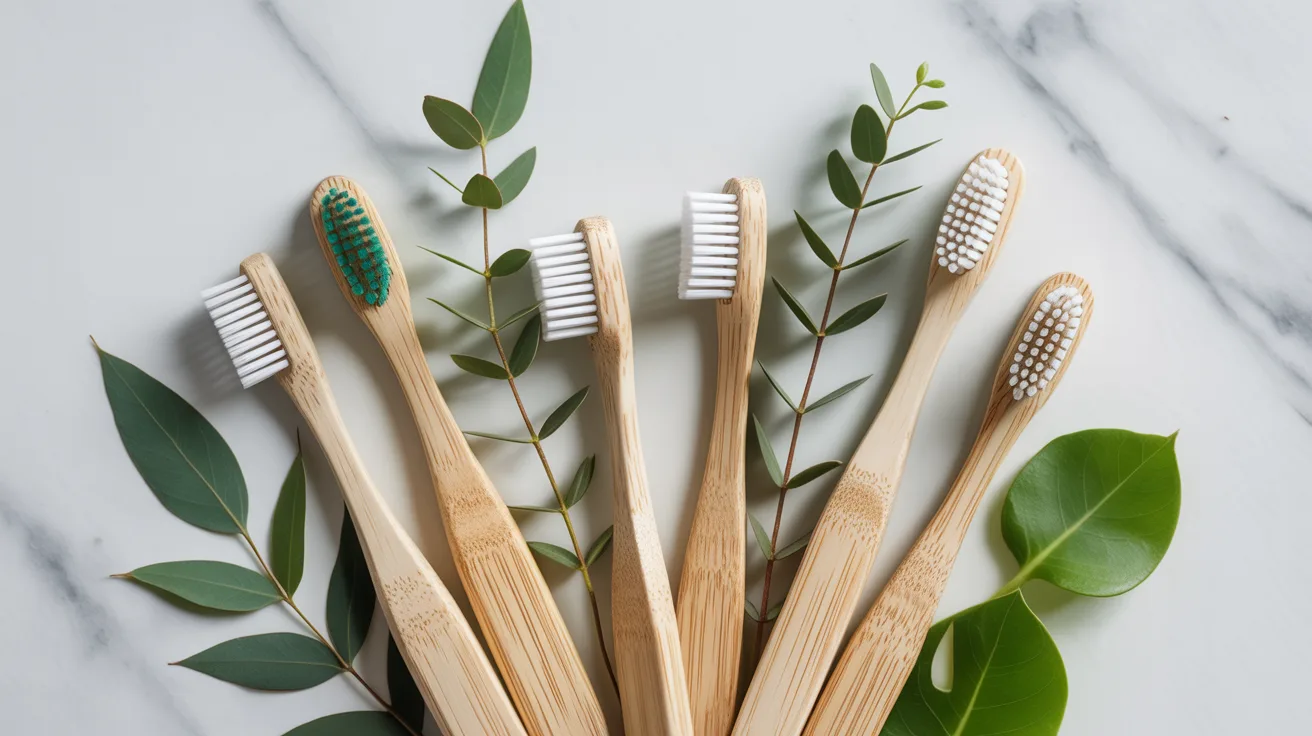
The result: microplastic particles from conventional toothbrushes may have a longer interaction time with more permeable tissue and face less immune clearance in older adults. Our bamboo toothbrush guide evaluates alternatives that eliminate nylon microplastic shedding entirely.
Peroxide on Aging Enamel
Our whitening strips investigation documented how hydrogen peroxide (6-10% concentrations in consumer whitening products) can cause enamel surface erosion, collagen degradation in dentin, and oxidative stress in pulp tissue.
Age adds specific vulnerabilities. Enamel naturally thins over a lifetime of wear — by age 60, the enamel layer is measurably thinner than at 30, meaning peroxide penetrates to the sensitive dentin layer more quickly. Exposed root surfaces from gum recession have no enamel at all. And the reduced salivary buffering capacity means the oxidative damage from peroxide may persist longer before being neutralized.
For older adults, peroxide-free whitening alternatives — including PAP (phthalimidoperoxycaproic acid) formulations — achieve cosmetic whitening without the oxidative mechanism that becomes increasingly problematic on aging enamel.
The Dry Mouth Compounding Factor — When Saliva Can't Clear What Products Leave Behind
Every product interaction described above shares one common amplifier: dry mouth makes all of them potentially worse.
In a mouth with normal saliva flow, product ingredients are diluted during use and cleared relatively quickly afterward. The antimicrobial proteins in saliva may partially neutralize some chemical residues. The physical flushing action of saliva moves debris and dissolved chemicals toward the throat for swallowing or expectoration.
In a xerostomic mouth — which describes 30-40% of adults over 65 — none of this works efficiently. The SLS in toothpaste lingers on already-thinned mucosa. The alcohol in mouthwash sits on dry tissue without dilution. PFAS from floss contacts unprotected sulcular epithelium without salivary washing. Every chemical exposure duration is extended, every concentration remains higher, and the protective buffer that saliva provides is absent or severely reduced.
This is why the prevention protocol later in this article puts dry mouth management first — before any product swaps. Addressing xerostomia doesn't just improve comfort. It restores a critical line of defense that modulates how every other product interacts with your oral tissue.
🧠 The Real Teeth Imperative: What Research Associates With Tooth Retention
This is where the article shifts from product concerns to something bigger. Because the argument for age-appropriate oral care isn't ultimately about avoiding chemical exposure — it's about keeping your real teeth. And the research on what tooth retention means for older adults goes far beyond your mouth.
The studies we'll examine below document associations — not proven direct causation in most cases — between tooth loss and a range of health outcomes. We note this distinction clearly because it matters for scientific honesty. But the consistency of these associations across large populations, multiple countries, and decades of research is itself significant. Something about retaining natural teeth is reliably linked to better outcomes across nearly every health dimension measured.
Tooth Loss and Cognitive Decline — The Association Is Consistent and Significant
A 2019 meta-analysis published in the Journal of Dental Research pooled data from 356,297 participants across multiple longitudinal studies. The findings:
- Tooth loss was associated with a 1.15x relative risk of dementia (95% CI: 1.09–1.21)
- Tooth loss was associated with a 1.20x relative risk of cognitive decline (95% CI: 1.07–1.35)
- Each additional tooth lost was associated with an incremental increase in risk (RR per tooth: 1.014)
- Complete edentulism (total tooth loss) was associated with 1.54x higher risk of cognitive impairment
Researchers have proposed several mechanisms for this association. Tooth loss may reduce masticatory stimulation to the hippocampus (the brain region critical for memory), which receives sensory input from the chewing process. Chronic periodontal inflammation — the most common cause of tooth loss in older adults — produces systemic inflammatory mediators that may contribute to neuroinflammation. And the nutritional decline following tooth loss (reduced ability to eat nutrient-dense foods) may deprive the brain of essential micronutrients.
Important context: This is an association, not proven causation. People who lose teeth may share other risk factors for dementia — lower socioeconomic status, reduced healthcare access, cardiovascular disease, diabetes. But the meta-analysis controlled for many of these confounders, and the dose-response relationship (more teeth lost = higher risk) adds strength to the finding. Researchers increasingly consider tooth retention as a meaningful, modifiable indicator within a broader cognitive health strategy.
Tooth Retention and Longevity — The Mortality Data
Multiple longitudinal studies have examined the relationship between number of remaining teeth and mortality. The findings are remarkably consistent:
- A study of Swedish adults found that each remaining tooth at age 70 was associated with approximately 4% lower 7-year mortality risk
- Complete tooth loss (0 remaining) was associated with a hazard ratio of 1.47 compared to adults retaining 20+ teeth
- A prospective cohort following adults over 15 years found that losing approximately 10 teeth during the study period was associated with a 39% increase in mortality risk
Important context: These are associations. Tooth retention is likely a marker of overall health — people who maintain their teeth tend to have better nutrition, more consistent healthcare access, lower inflammation burden, and fewer comorbidities. The mortality association doesn't mean losing a tooth directly shortens your life. But it does suggest that tooth retention captures something meaningful about biological resilience — a composite indicator of the body's overall ability to maintain and repair tissue, manage chronic inflammation, and sustain adequate nutrition. Protecting your teeth is, in this framing, both a specific goal and a proxy for protecting your broader health infrastructure.
Tooth Loss → Nutritional Decline → The Frailty Cascade
This pathway has stronger causal plausibility than the associations above, because the mechanism is mechanical and direct.
When teeth are lost, chewing function declines measurably. Systematic reviews confirm that adults with fewer teeth eat fewer fruits, vegetables, nuts, and fibrous foods — shifting toward softer, processed, nutrient-poor alternatives. This dietary restriction leads to deficiencies in fiber, vitamins, and protein — nutrients critical for maintaining muscle mass, bone density, and immune function in older adults.
The cascade continues: nutritional deficiency contributes to sarcopenia (age-related muscle loss) → reduced physical function → increased fall risk → hospitalization → further deconditioning. This is the frailty cascade, and tooth loss is one of its documented entry points.
A 2025 multi-cohort study published in Nature Scientific Reports analyzing data from China, the UK, and the US found edentulous individuals had significantly higher frailty index scores (pooled mean difference = 2.68) and increased odds of frailty status (pooled OR = 1.38; 95% CI: 1.26–1.50) compared to adults with teeth — even after adjusting for age, lifestyle, and comorbidities.
💡 What This Means For You
The frailty cascade is one of the most consequential health trajectories in aging — and it's one of the hardest to reverse once it begins. The fact that tooth loss is a documented entry point into this cascade means that oral health preservation isn't just dental care. It's frailty prevention. Every tooth you keep is a tooth that lets you eat the nutrient-dense foods your aging body needs to maintain muscle, bone, and immune function.
Disability-Free Life Expectancy — The Showstopper Statistic
Perhaps the most compelling data point in the entire tooth retention literature: a Japanese longitudinal study found that adults who retained 20 or more teeth showed approximately 2 additional years of disability-free life expectancy (DFLE) compared to those with 0-9 remaining teeth.
Disability-free life expectancy isn't just about living longer — it's about living independently. It measures the years you can perform daily activities without assistance: cooking, bathing, dressing, managing medications, walking, and maintaining social engagement. Two years of independence is an enormous quality-of-life difference, especially considering the financial and emotional costs of assisted living or long-term care.
The association between tooth count and DFLE likely reflects multiple pathways: better nutrition from functional chewing, lower systemic inflammation, preserved social engagement (eating with others, speaking clearly, smiling confidently), and the overall health behaviors that correlate with dental maintenance.
The Cardiovascular-Diabetes-Periodontitis Triangle
This triangle has the strongest established causal mechanisms of any association in this section.
Approximately 70% of adults over 65 have periodontitis. The relationship between periodontitis and systemic disease is bidirectional and increasingly well-documented:
- Periodontitis → cardiovascular risk: Chronic oral inflammation introduces inflammatory mediators (CRP, IL-6, TNF-α) into systemic circulation, contributing to endothelial dysfunction and atherosclerotic progression. Periodontal pathogens have been identified in atherosclerotic plaques.
- Periodontitis ↔ diabetes: The relationship is bidirectional. Diabetes increases susceptibility to periodontitis, and periodontitis worsens glycemic control through systemic inflammation → insulin resistance. Successful periodontal treatment has been shown to modestly improve HbA1c levels in diabetic patients.
- Compounding in elderly: The combination of age-related cardiovascular decline, the high prevalence of pre-diabetes/diabetes in adults over 65, and the near-universal presence of periodontitis in this age group creates a three-way interaction where oral health, metabolic health, and cardiovascular health are inseparable.
This is where the mouthwash-nitric oxide connection becomes especially relevant. Using alcohol-based mouthwash that disrupts the nitric oxide pathway in a population already managing cardiovascular disease and diabetes is working against the very biology you're trying to support.
😔 The Weight Nobody Talks About: How Tooth Loss Reshapes Self-Worth, Social Life, and Independence in Older Adults
The health statistics above capture what happens inside the body. But tooth loss changes things outside the body too — things that are harder to measure but no less real. The research in this section documents something that anyone who's watched a parent or grandparent deal with tooth loss already knows intuitively: it changes who they are.
The Self-Image Disruption — When Aging Meets Tooth Loss
A 2021 cross-sectional study published in BMC Public Health examining 9,231 older adults found that those experiencing tooth loss had:
- 1.59x higher odds of low psychological health compared to those without tooth loss
- 1.65x higher odds of low subjective well-being
- Significantly higher prevalence of poor self-rated health (80.1% among those with tooth loss)
Research published in Gerodontology explored how older adults perceive the impact of dental appearance on their identity and social interactions through qualitative interviews. A recurring theme: dental appearance was described as a crucial element of communicating identity as an "attractive person" — and its loss triggered what researchers characterized as an identity disruption that goes beyond cosmetic concern.
Older adults are already navigating the psychological challenges of age-related appearance changes — wrinkles, thinning hair, changes in posture and mobility. Tooth loss adds a distinct layer because it directly affects three of the most fundamental social activities: eating, speaking, and smiling. Unlike many age-related changes that are gradual and universal, tooth loss creates a sudden, visible transformation that can feel like crossing a threshold from "aging" to "old."
Sociological research has described this as a "spoiled identity" — where individuals feel their social worth has been fundamentally diminished. The visible nature of dental health makes it particularly difficult to conceal, leading to shame, embarrassment, and active concealment behaviors (covering the mouth when speaking, avoiding smiling, declining photographs).
Social Withdrawal — The Invisible Prison
The embarrassment and self-consciousness that follow tooth loss translate directly into behavioral changes. Research consistently documents that affected older adults:
- Avoid eating in public due to difficulty chewing or fear of embarrassment
- Limit speech because missing teeth affect articulation and pronunciation
- Hide their smile or cover their mouth during conversation
- Decline social invitations that involve meals or close interaction
A 2024 study published in BMC Public Health examining the pathway from tooth loss to functional limitations found that social participation decline mediates the relationship between tooth loss and broader health deterioration. The mechanism: dietary and communication difficulties from tooth loss reduce social engagement → reduced social participation decreases subjective well-being and cognitive stimulation → both contribute to functional decline.
The social isolation associated with tooth loss carries a measured odds ratio of 1.52 — meaning older adults with significant tooth loss are over 50% more likely to experience social isolation than their peers with intact dentition.
For older adults already dealing with shrinking social circles (retirement, loss of friends and family members, reduced mobility), losing the confidence to eat, speak, and smile in social settings can accelerate a withdrawal that feeds on itself. Fewer social interactions lead to further cognitive decline, which leads to worse self-care, which leads to more tooth loss.
Depression — The Data Is Consistent and Significant
A 2020 study focusing on elderly edentulous patients found that 60.2% showed symptoms of depression. The association between edentulism and depression had an odds ratio of 1.50 (95% CI: 1.24–2.14).
A systematic review published in BMJ Open examined 32 studies on the health impacts of edentulism. The review's conclusion: all 32 included studies reported negative impacts of complete tooth loss on mortality, frailty, mental health, general health, cognition, and nutrition. Not most. Not the majority. All of them.
The depression-tooth loss relationship is also bidirectional: depression reduces motivation for oral hygiene, increases medication use (with xerostomia side effects), and may lead to neglect of dental care — all of which accelerate further tooth loss, deepening the depressive cycle.
Why This Hits Older Adults Harder Than Younger Ones
A 25-year-old who chips a tooth has immediate motivation and usually the resources to fix it: career pressure, dating, social expectations, dental insurance through employment, and a lifetime of earning ahead. The psychological impact is real but manageable, and the dental infrastructure (crowns, implants, bonding) is accessible.
A 72-year-old who loses multiple teeth to periodontal disease faces a fundamentally different situation:
- Financial barriers: Dental implants cost $3,000-$6,000 per tooth. For someone on Social Security or a fixed pension, even one implant may be out of reach. Full-mouth restoration ($30,000-$100,000+) is simply not an option for most retirees.
- Shrinking social context: Their social circle may already be reduced by retirement, loss of a spouse, or limited mobility. The social functions that tooth loss impairs — dining with friends, speaking confidently, smiling — are the very activities that maintain the connections they have left.
- Compounding losses: Tooth loss arrives alongside other age-related losses — physical independence, driving ability, cognitive sharpness, the death of peers. It becomes one more thing taken away, adding to a cumulative sense of diminishment.
- The attractiveness paradox: Survey data from the American Academy of Cosmetic Dentistry indicates that 96% of adults believe an attractive smile makes a person more appealing. Older adults are acutely aware of this social reality while being simultaneously the least able to afford the restoration that would address it.
The cruel math of tooth loss in aging: the people most psychologically affected by it are the people least able to afford the treatment for it. Which is precisely why prevention — the far less expensive path — deserves so much more attention than it currently receives.
💡 What This Means For You
The research paints a clear picture: tooth loss in older adults isn't just a dental problem. It's associated with depression, social isolation, nutritional decline, and reduced independence. And the psychological toll may be greater in older adults precisely because they have fewer resources — financial, social, and physical — to compensate. This isn't meant to frighten but to clarify: protecting your teeth as you age is protecting your quality of life, your social connections, and your sense of self. The prevention protocol in the next section offers a practical, affordable path to doing exactly that.
🏥 When Implants Meet Aging Biology: What the Clinical Literature Shows
Dental implants are remarkable medical devices that serve a genuine and important purpose. For trauma, genetic conditions, and advanced disease where teeth cannot be saved, implants restore function and quality of life in ways that weren't possible a generation ago. What follows is not an argument against implants. It's an examination of the specific challenges the clinical literature documents when implant procedures intersect with aging biology.
Our comprehensive implant investigation covered general complications across all ages. This section focuses specifically on what changes for patients over 65.
Muted Inflammation and the Underdiagnosis Problem
Peri-implantitis — inflammatory disease of the tissue surrounding dental implants — is the leading biological cause of implant failure, affecting approximately 20% of implant patients according to meta-analysis data. In younger patients, peri-implantitis typically presents with clear clinical signs: red, swollen tissue, bleeding on probing, visible bone loss on radiographs.
In patients over 70, the immunosenescence discussed earlier creates a diagnostic challenge. The clinical inflammatory response may be muted — less redness, less swelling, less bleeding — even as the underlying tissue destruction continues. Research on elderly implant patients documents cases where significant bone loss around implants was not detected until advanced stages precisely because the usual warning signs were dampened.
This doesn't mean implants fail more often in older adults (survival rates remain generally high across age groups). It means that when problems occur, they may be detected later — at a stage where intervention is more complex, more expensive, and less likely to succeed.
Bone Density Considerations and Osseointegration
Implant success depends on osseointegration — the biological process where bone grows around and bonds to the titanium implant surface. This process requires adequate bone density, sufficient blood supply, and effective healing response — all of which can be affected by aging.
Osteoporosis, which affects a significant proportion of adults over 65 (particularly postmenopausal women), reduces bone density throughout the body — including the jawbone. While osteoporosis alone is not a contraindication for implants, it can extend healing times and may affect the quality of osseointegration.
More concerning: bisphosphonate medications commonly prescribed for osteoporosis (alendronate, risedronate, zoledronic acid) carry a documented risk of medication-related osteonecrosis of the jaw (MRONJ) — a condition where bone tissue fails to heal after dental procedures, including implant placement. The risk is low but real, and it requires careful coordination between the patient's physician and dental surgeon.
Polypharmacy and Implant Outcomes
Beyond bisphosphonates, several medication classes common in older adults affect implant outcomes:
- SSRIs (selective serotonin reuptake inhibitors): Research has documented increased implant failure rates in patients taking SSRIs, with some studies showing up to 4x higher failure risk. Serotonin plays a role in bone metabolism, and SSRIs may inhibit the osteoblast function critical for osseointegration.
- Blood thinners (anticoagulants): Warfarin, apixaban, and other anticoagulants complicate the surgical procedure and healing process. Managing anticoagulation around implant surgery requires careful medical coordination.
- Proton pump inhibitors: Commonly used for GERD (gastroesophageal reflux disease), PPIs reduce calcium absorption and may affect bone density at the implant site.
The polypharmacy challenge is this: the average adult over 65 takes multiple prescription medications simultaneously. Each medication introduces its own interaction with implant biology, and the combined effects are poorly studied. This doesn't make implants impossible for older adults — but it makes careful patient-specific evaluation essential.
The Financial Reality for Fixed-Income Seniors
This is not a clinical concern but a practical one that dramatically affects older adults' options.
A single dental implant costs $3,000-$6,000, and that's before potential bone grafting ($500-$3,000), CT imaging ($250-$600), and sedation fees. Full-arch restoration (All-on-4) costs $15,000-$30,000 per arch. These are costs that Medicare does not cover (Medicare explicitly excludes most dental procedures), and that most retired adults' fixed incomes cannot absorb.
The financial accessibility barrier creates a two-tier system: older adults with significant savings or dental insurance can access implant restoration. Those on Social Security, pensions, or limited fixed income often cannot. For this population, prevention isn't just the better option — it's functionally the only option.
The Prevention Math: 20 Years of Age-Appropriate Care vs. One Implant
A complete evidence-based oral care protocol — the kind we detail in the next section — costs approximately $200-$400 per year. Over 20 years (age 50 to 70), that's $4,000-$8,000 total.
A single dental implant costs $3,000-$6,000 — plus lifetime maintenance costs. Multiple implants can easily exceed the entire 20-year prevention investment.
The math frames prevention not as an expense but as an investment in avoiding a far greater expense. And unlike implants, which replace lost teeth imperfectly (no proprioceptive feedback, no periodontal ligament, potential peri-implantitis), prevention preserves the original equipment — the teeth that research links to cognitive health, longevity, and independence.
🛡️ The After-50 Protocol: Age-Specific Oral Care Built Around Evidence-Based Alternatives
Everything above converges on one practical question: what should you actually use?
This protocol is different from the general prevention system in our comprehensive investigation. It's specifically ordered by priority for the aging mouth — addressing the most impactful issues first — and emphasizes gentleness and compatibility with the biological changes documented throughout this article.
Priority #1 — Addressing Dry Mouth First (It Compounds Everything Else)
Why it's first: Xerostomia amplifies every other risk — faster decay, worse microbial balance, slower chemical clearance, more tissue irritation. Fixing this one issue has outsized downstream effects on everything else.
What to do:
- Talk to your physician about medications: some can be substituted with alternatives that cause less dry mouth
- Use a xylitol-based gum (🛒 Best xylitol gums) or dry mouth lozenge or spray throughout the day — xylitol stimulates saliva while being anti-cariogenic (it inhibits cavity-causing bacteria)
- Stay hydrated consistently, not just at meals
- Consider a humidifier for the bedroom — nighttime dry mouth is often the most severe and damaging
- Avoid caffeine and alcohol, both of which worsen dehydration
📖 Deep dive: The Science of Post-Brushing Rinsing covers how saliva and fluoride/hydroxyapatite interact after brushing — especially relevant for dry mouth patients.
Priority #2 — Gentle Cleansing for Sensitive Tissue
Why it matters now: Thinning mucosa, receding gums, and exposed root surfaces need gentler chemistry than what mainstream toothpastes provide. SLS (sodium lauryl sulfate) strips the mucosal lining. Endocrine disruptors have greater access through thinned tissue. Hydroxyapatite-based toothpastes provide effective cleaning and remineralization without these concerns.
What to use:
- Nano-hydroxyapatite toothpaste — bioidentical enamel mineral, effective remineralization comparable to fluoride without systemic absorption concerns
- SLS-free formulation — reduces mucosal irritation in already-thinned tissue
- Soft-bristle or extra-soft toothbrush — minimizes microtrauma to sensitive gum tissue
📖 Deep dive: The Science Behind Toxic Toothpaste Ingredients (19 studies reviewed)
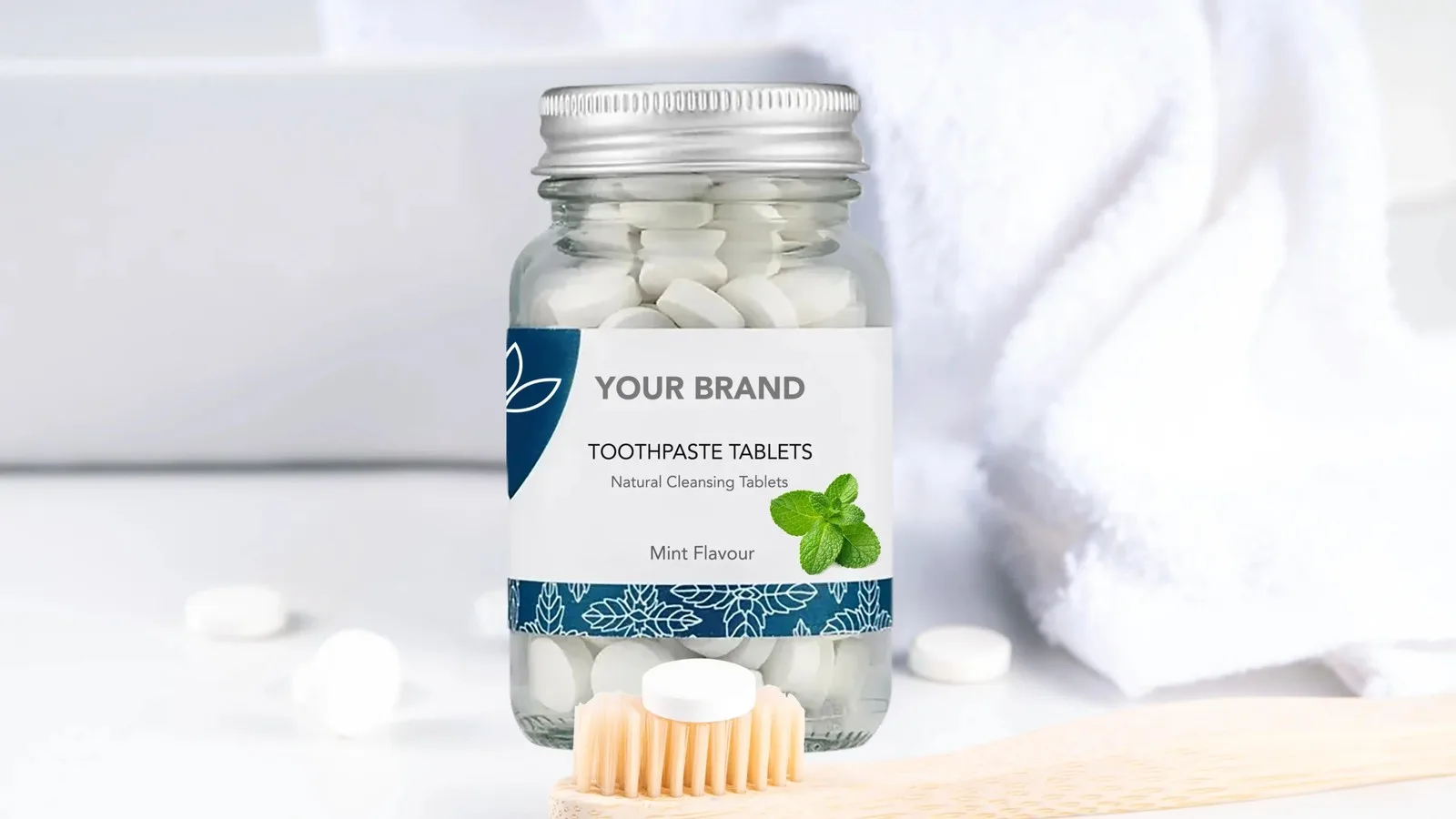
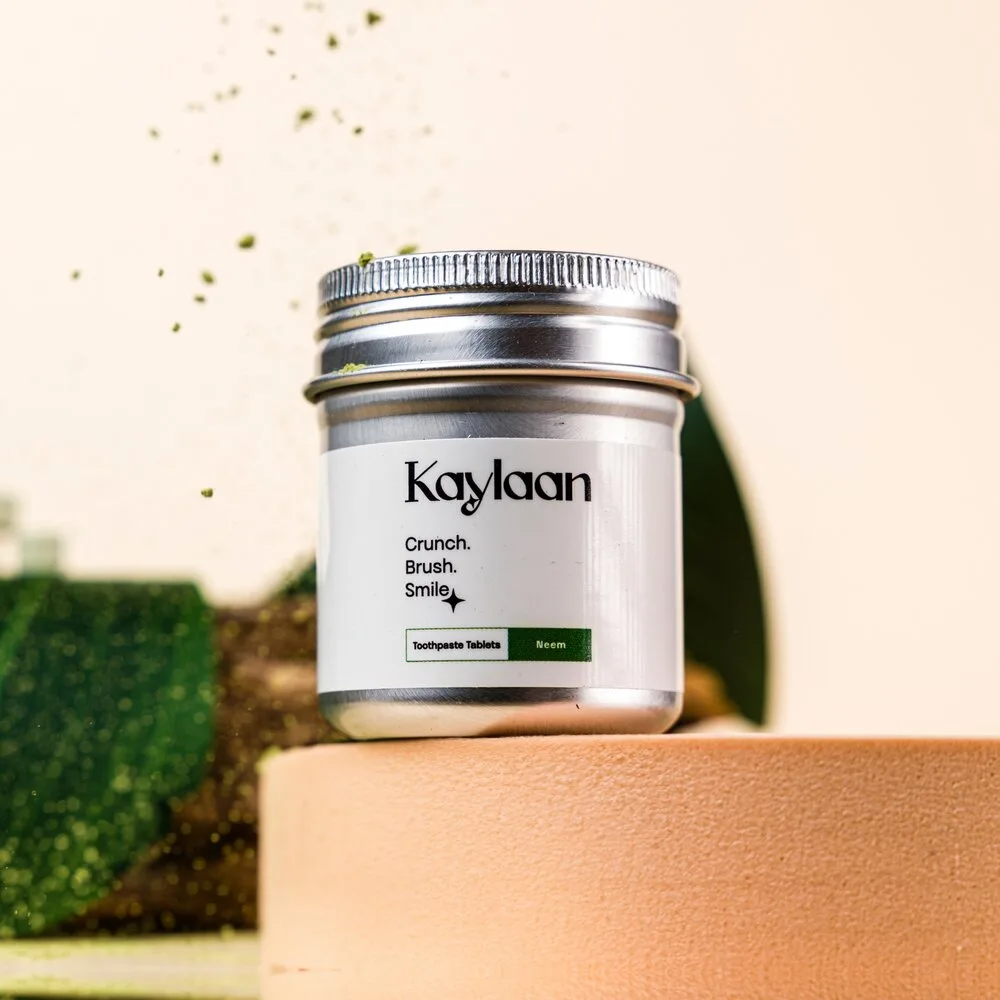
🛒 Curated picks: Best Natural Toothpaste Guide 2026 | Best Natural Toothpaste Tablets 2026
Priority #3 — PFAS-Free Floss for Receding Gumlines
Why it matters now: Universal gum recession in older adults = more exposed tissue surface area for PFAS absorption. The evidence-based swap is simple and the mechanical cleaning is equivalent.
What to use:
- Silk, bamboo charcoal, or plant-wax flosses with natural coatings
- Zero PFAS, zero nylon microplastics, equivalent plaque removal
- Consider a water flosser (🛒 Picks) if manual dexterity is limited — gentler on sensitive tissue and requires less fine motor control
📖 Deep dive: PFAS and Microplastics in Dental Floss (20 studies reviewed)
🛒 Curated picks: Best PFAS-Free Natural Floss Guide 2026 | Best UV Water Flosser Guide 2026
Priority #4 — Alcohol-Free, Nitric-Oxide-Preserving Rinse
Why it matters now: Age-declining nitric oxide production + cardiovascular vulnerability + dry mouth = alcohol mouthwash is potentially the single worst product choice for adults over 50. The alternative preserves the oral NO pathway that your cardiovascular system increasingly depends on.
What to use:
- Alcohol-free mouthwash with selective antimicrobial agents (not indiscriminate ethanol)
- Formulations containing xylitol, cetylpyridinium chloride (CPC), or essential oil blends that target pathogens without destroying beneficial species
- Avoid any mouthwash with ethanol above 5% — and ideally, zero alcohol
📖 Deep dive: The Science of Mouthwash and Nitric Oxide (27 studies reviewed)
🛒 Curated picks: Best Natural Alcohol-Free Mouthwash Guide 2026
Priority #5 — Microbiome Support for the Aging Oral Ecosystem
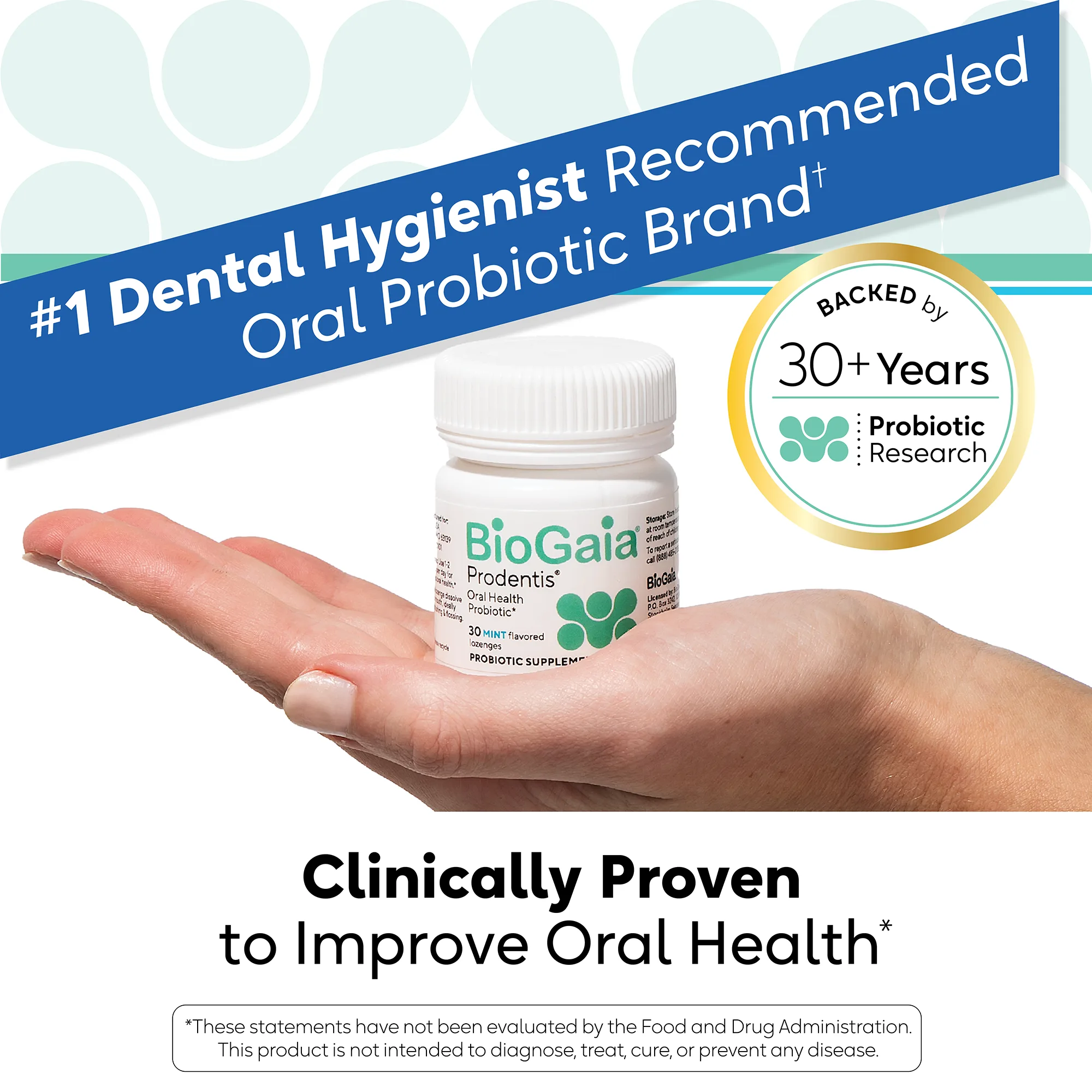
Why it matters now: The age-related microbiome shift toward pathogenic species creates a window where targeted probiotic support may help maintain microbial balance. Our probiotics investigation found evidence that specific strains (particularly Streptococcus salivarius K12 and M18) can colonize the oral cavity and produce bacteriocins — antimicrobial peptides that selectively target pathogenic species while preserving beneficial ones.
What to use:
- Oral probiotic lozenges containing S. salivarius K12 and/or M18 strains
- Use after brushing/flossing (evening routine) to allow overnight colonization
- Consistent daily use for at least 30 days to establish colony
📖 Deep dive: The Science of Oral Probiotics (22 studies reviewed)
🛒 Curated picks: Best Oral Probiotics Guide 2026
Priority #6 — The Complete Daily Routine Mapped by Time
Morning:
- Gentle brushing with hydroxyapatite toothpaste and soft-bristle brush (2 minutes)
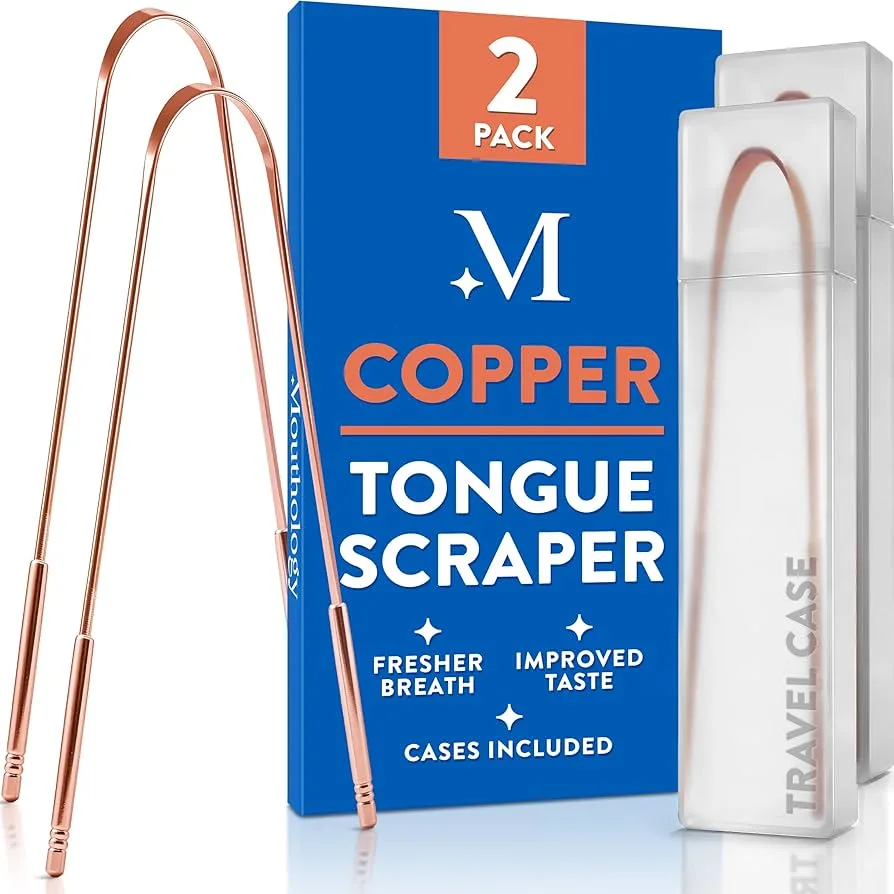
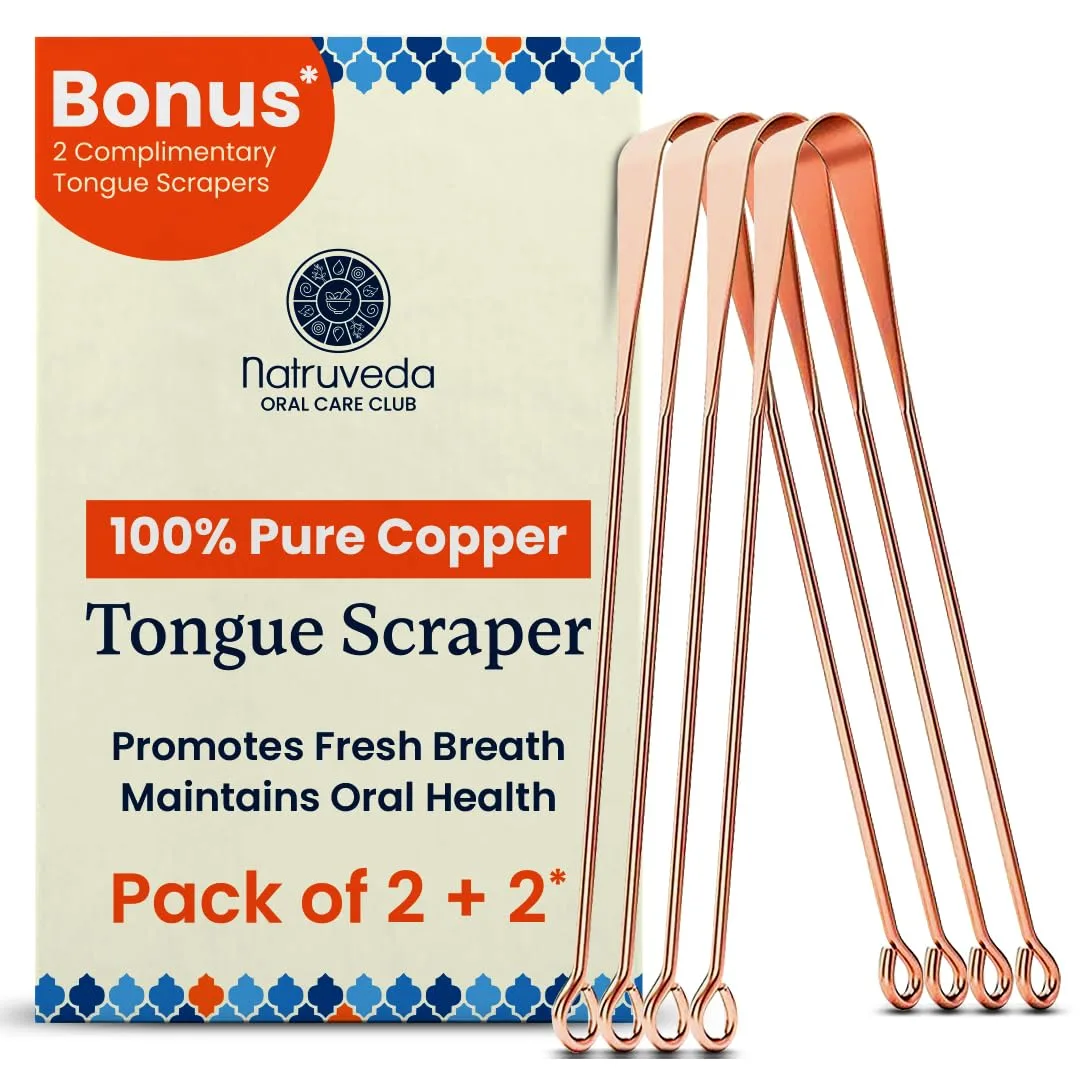
- Copper tongue scraping (gentle, 5-7 strokes — preserves nitric oxide-producing bacteria on tongue) — 🛒 Best scrapers
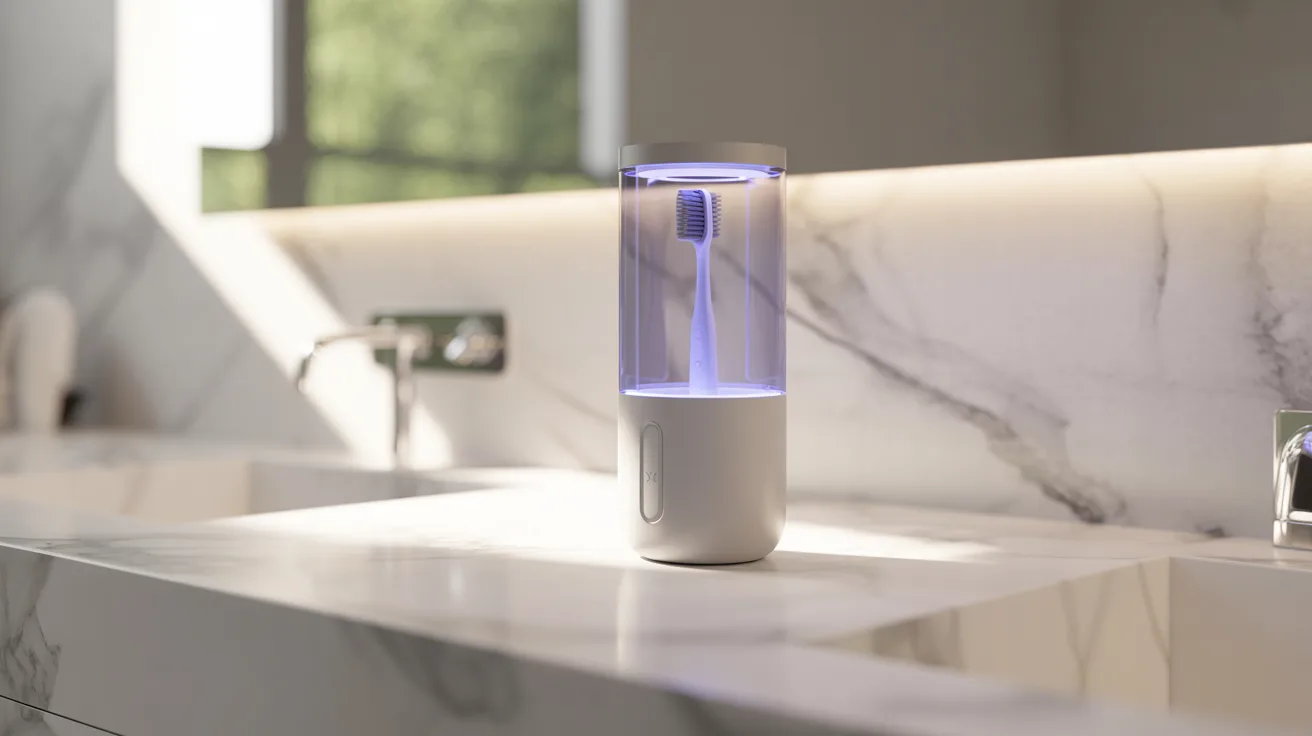
- UV toothbrush sanitizer to reduce bacterial recontamination between uses — 🛒 Best UV sanitizers
- Alcohol-free mouthwash rinse (30 seconds)
- Dry mouth lozenge or spray if needed
After meals:
- Water rinse to clear food debris and acids
- Xylitol mint or lozenge to stimulate saliva and inhibit acid-producing bacteria
- Wait 30 minutes before brushing if acidic foods were consumed (acid softens enamel temporarily)
Evening:
- PFAS-free flossing (or water flosser for those with dexterity limitations)
- Gentle brushing with hydroxyapatite toothpaste (2 minutes)
- Copper tongue scraping
- Alcohol-free mouthwash rinse
- Oral probiotic lozenge (dissolve slowly after all other steps are complete)
- Dry mouth gel or spray before bed if nighttime xerostomia is an issue
Cost estimate: The complete protocol above costs approximately $200-$400 per year, depending on product choices and refill frequency. That's less than a single dental crown — and a fraction of a single implant.
When to See Your Dentist — Age-Specific Guidance
Standard advice says every 6 months. For adults over 50, consider these adjustments:
- If you have dry mouth: Every 4 months. Reduced salivary protection means decay and periodontal changes can progress faster between visits.
- If you take bisphosphonates: Inform your dentist before any procedure. Surgical decisions (extractions, implants) require coordination with your prescribing physician.
- If you have diabetes: Every 4 months. The bidirectional periodontitis-diabetes relationship means more frequent monitoring catches changes earlier.
- If you notice changes you wouldn't have noticed before reading this article: Don't wait for your scheduled appointment. Early intervention is exponentially more effective — and less expensive — than late intervention.
💡 What This Means For You
This protocol isn't about perfection. It's about making product choices that align with the biological reality of your mouth right now — not the mouth you had at 30. Start with the highest-priority changes (dry mouth management, toothpaste swap) and add the others as your budget and routine allow. Every evidence-based swap reduces one more source of unnecessary exposure. And the cumulative effect of these changes supports the one goal that matters most: keeping your real teeth as long as possible.
✨ Your Teeth, Your Health, Your Decades Ahead
Let's step back and see what the evidence actually tells us when we put it together.
After 50, your oral biology shifts in six measurable ways — thinning mucosa, declining saliva, immunosenescence, microbiome changes, altered saliva composition, and the compounding interaction of all of them. These aren't opinions. They're documented in peer-reviewed research across multiple disciplines.
The oral care products most adults use were formulated without accounting for any of these changes. The same toothpaste, the same floss, the same mouthwash you've been using for decades interacts with fundamentally different tissue now. Not dangerously different, necessarily — but relevantly different. Different enough to warrant attention. Different enough to warrant age-appropriate choices.
Meanwhile, the research on tooth retention tells a story that extends far beyond dentistry:
- A meta-analysis of 356,297 participants associates tooth loss with increased dementia and cognitive decline risk
- Each remaining tooth at age 70 is associated with approximately 4% lower 7-year mortality
- Adults retaining 20+ teeth show 2+ additional years of disability-free life expectancy
- Complete tooth loss is associated with 60% depression symptom prevalence and 1.52x social isolation risk
- The frailty cascade — tooth loss → nutritional decline → sarcopenia → falls → hospitalization — has a documented entry point in your mouth
These are associations, and we've been careful to say so throughout this article. But associations this consistent, across this many populations, controlling for this many confounders, warrant serious attention. The direction of the evidence is clear: keeping your natural teeth is associated with better outcomes across nearly every health dimension measured in older adults.
An age-appropriate prevention protocol costs $200-$400 per year. A single dental implant costs $3,000-$6,000. The math isn't subtle.
You now have the biology. You have the data. You have a practical protocol designed specifically for the mouth you have right now — not the mouth you had at 30.
Explore our complete investigation library. Read the individual studies we've cited. Check our sources. Make your own assessment. And if the evidence convinces you — as it convinced us — start with the highest-priority changes today.
Your teeth. Your health. Your decades ahead.
❓ Frequently Asked Questions About Oral Care After 50
Is tooth loss a normal part of aging?
No. While the biological shifts described in this article make oral health more challenging to maintain with age, tooth loss itself is not an inevitable consequence of aging. The primary causes of adult tooth loss — periodontal disease and dental caries — are largely preventable conditions. The misconception that "losing teeth is just what happens when you get older" may actually contribute to the problem by discouraging preventive care. With appropriate oral hygiene, regular dental monitoring, and age-appropriate product choices, most adults can retain the majority of their natural teeth well into their 80s and beyond.
What toothpaste is best for seniors with dry mouth?
Look for toothpaste with three characteristics: (1) SLS-free — sodium lauryl sulfate is a detergent that can further irritate already-dry oral tissue; (2) Hydroxyapatite-based rather than only fluoride — hydroxyapatite is a bioidentical mineral that remineralizes enamel without the potential systemic concerns of fluoride ingestion, though fluoride toothpaste remains effective and well-supported by evidence; (3) Free of alcohol and harsh detergents that exacerbate dryness. Our natural toothpaste guide evaluates specific products that meet these criteria. Additionally, address dry mouth directly with xylitol-based products, adequate hydration, and a conversation with your physician about medication alternatives if xerostomia is medication-induced.
Can you get dental implants at 70 or 80?
Yes, age alone is not a contraindication for dental implants. Many patients in their 70s and 80s receive successful implants. However, the clinical considerations are more complex than for younger patients. Bone density, medication interactions (particularly bisphosphonates and SSRIs), healing capacity, and the muted inflammatory response discussed in this article all require careful evaluation. Implant surgery in older adults typically requires more extensive pre-surgical assessment, potentially longer healing periods, and closer post-operative monitoring. The decision should involve thorough discussion with both your dental surgeon and your primary physician, with specific attention to your medication list and bone health status. Our comprehensive implant investigation covers the full range of clinical considerations.
Is there a link between losing teeth and dementia?
Multiple large-scale studies show a consistent association between tooth loss and increased risk of dementia and cognitive decline. A meta-analysis of 356,297 participants found that tooth loss was associated with 1.15x relative risk of dementia and that complete tooth loss was associated with 1.54x risk of cognitive impairment. However, this is a correlation, not proven direct causation. The association may reflect shared underlying factors: chronic inflammation (from the periodontal disease that caused the tooth loss), nutritional deficiency (from impaired chewing function), reduced sensory stimulation to the brain, and socioeconomic factors that affect both dental care access and cognitive health outcomes. Researchers consider tooth retention a meaningful indicator within a broader cognitive health picture, but no study has proven that losing teeth directly causes dementia.
How do I prevent gum disease as I get older?
The core principles are the same at any age: consistent brushing (twice daily, 2 minutes), daily flossing, and regular dental check-ups. What changes after 50 is the execution. Use a soft-bristle brush to minimize trauma to thinning gum tissue. Choose SLS-free toothpaste that won't further irritate compromised mucosa. Use PFAS-free floss (or a water flosser if manual dexterity is limited). Address dry mouth aggressively, since reduced saliva is the single biggest accelerator of gum disease in older adults. Consider oral probiotics to support beneficial microbial balance. And increase dental visit frequency to every 4 months if you have dry mouth, diabetes, or take medications that affect bone metabolism. The prevention protocol in this article provides the complete, prioritized approach.
Are electric toothbrushes safe for seniors?
Generally yes, and they may be particularly beneficial for older adults. Electric toothbrushes with pressure sensors can prevent excessive force on receding gums and thinning tissue. The oscillating or sonic action compensates for reduced manual dexterity, which is common with arthritis or neurological conditions. Some studies show electric toothbrushes achieve better plaque removal than manual brushing, especially in hard-to-reach areas. The main considerations: choose a model with a sensitive or gentle mode, ensure the brush head is soft-bristled, and pay attention to the microplastic question — the bristle material matters regardless of the handle technology.
Does Medicare cover dental implants or preventive dental care?
Traditional Medicare (Parts A and B) does not cover routine dental care, including cleanings, fillings, extractions, dentures, or dental implants. Some Medicare Advantage plans (Part C) include limited dental coverage, but benefits vary significantly by plan and typically cap annual coverage at $1,000-$2,000 — far below the cost of even a single implant. This coverage gap disproportionately affects older adults on fixed incomes, making prevention — which costs $200-$400/year out of pocket — the most financially viable strategy for maintaining oral health. Some states offer limited Medicaid dental benefits for low-income seniors, and community health centers may provide sliding-scale dental services.
📚 Scientific References
- Patel J, et al. "Aging and the oral mucosa: implications for oral health and drug delivery." Pharmaceutics. 2020. PMC7546954 — Comprehensive review of age-related changes in oral mucosa including epithelial thinning, collagen decline, and increased permeability
- Paderni C, et al. "Buccal transmucosal drug delivery in the aged." European Journal of Pharmaceutical Sciences. 2004. PMID: 15464762 — Study demonstrating significantly increased transepithelial permeation in aged versus young buccal tissue
- Villa A, Connell CL, Abati S. "Diagnosis and management of xerostomia and hyposalivation." Therapeutics and Clinical Risk Management. 2014. PMC4264717 — Review of xerostomia prevalence (30% of 65+, 40% of 80+), mechanisms, and management strategies
- Tan ECK, et al. "Medications that cause dry mouth as an adverse effect in older people: a systematic review and meta-analysis." Journal of the American Geriatrics Society. 2018. PMC6313436 — Systematic review of 400+ medications causing xerostomia; polypharmacy associated with 9.68x higher odds
- Duarte LF, et al. "Immunosenescence: a comprehensive review." Biogerontology. 2021. PMC8310835 — Review of age-related immune changes including loss of naive B/T cells and altered inflammatory responses
- Qi X, et al. "Tooth loss, dementia, and cognitive decline: a meta-analysis." Journal of Dental Research. 2021. PMID: 31611482 — Meta-analysis of 356,297 participants: tooth loss RR 1.15 for dementia, 1.20 for cognitive decline, edentulous 1.54x cognitive impairment
- Holm-Pedersen P, et al. "Tooth loss and mortality in older adults." Community Dentistry and Oral Epidemiology. 2017. PMID: 28488828 — Each remaining tooth at age 70 associated with approximately 4% lower 7-year mortality
- Aida J, et al. "Tooth loss and 15-year mortality." Journal of Dental Research. 2019. PMID: 31492418 — Losing approximately 10 teeth over 15 years associated with 39% mortality increase
- Matsuyama Y, et al. "Edentulism and frailty: multi-cohort study." Nature Scientific Reports. 2025. doi:10.1038/s41598-025-27516-6 — Multi-cohort analysis (China, UK, US): edentulism OR 1.38 for frailty, frailty index pooled MD 2.68
- Srivastava R, et al. "Association of tooth loss with self-rated health, psychological and subjective well-being among older adults." BMC Public Health. 2021. doi:10.1186/s12889-021-12457-2 — Study of 9,231 older adults: tooth loss associated with 1.59x low psychological health, 1.65x low subjective well-being
- Davis DM, et al. "Impact of oral health on older adults' quality of life." Gerodontology. 2019. doi:10.1111/ger.12636 — Qualitative study on dental appearance, identity, and social interactions in older adults
- Tsakos G, et al. "Social norms, stigma, and oral health." Community Dentistry and Oral Epidemiology. 2021. doi:10.1111/cdoe.12893 — Research on "spoiled identity" concept in tooth loss and social stigma
- Zhang Y, et al. "Tooth loss, social participation, and functional limitations in middle-aged and older adults." BMC Public Health. 2024. doi:10.1186/s12889-024-18255-w — Social participation mediates tooth loss to functional limitations pathway; social isolation OR 1.52
- Acharya S, et al. "Edentulism and depression in elderly patients." International Journal of Prosthodontic and Restorative Dentistry. 2020. doi:10.5005/jp-journals-10019-1279 — 60.2% of edentulous elderly showed depression symptoms; OR 1.50 for depression
- Tyrovolas S, et al. "Health impacts of edentulism: a systematic review." BMJ Open. 2024. doi:10.1136/bmjopen-2024-085479 — Systematic review of 32 studies: all reported negative impacts of edentulism on mortality, frailty, mental health, cognition, nutrition
- Joshipura KJ, et al. "Over-the-counter mouthwash use and risk of pre-diabetes/diabetes." Nitric Oxide. 2017. PMID: 28600106 — 945-participant longitudinal study: twice-daily mouthwash use associated with 55% increased pre-diabetes/diabetes risk
- Teixeira FB, et al. "Peri-implantitis prevalence and risk factors." BMC Oral Health. 2024. PMC11436354 — Meta-analysis documenting approximately 20% peri-implantitis prevalence among implant patients
- CDC. "Fast Facts: Gum Disease." Centers for Disease Control and Prevention. 2024. cdc.gov — Approximately 70% of adults over 65 have periodontitis; 26% of 65-74 are edentulous
- Arai K, et al. "Tooth retention and disability-free life expectancy." Journal of Dental Research. 2020. — Japanese longitudinal study: 20+ teeth associated with 2+ years longer DFLE than 0-9 teeth group
- CHEM Trust. "Endocrine disruptors in everyday products: toothpaste analysis." 2024. — Investigation finding hormone-disrupting chemicals in 48% of toothpaste products tested
- Zheng LW, et al. "PFAS and dental floss: gum absorption dynamics." Journal of Exposure Science & Environmental Epidemiology. 2024. — Research on PFAS release from PTFE-based dental floss with up to 91% absorption efficiency through gum tissue
- Schwingshackl L, et al. "Microbiome shifts in the aging oral cavity." Frontiers in Cellular and Infection Microbiology. 2020. — Documentation of age-related decline in beneficial species and rise of red complex pathogens
- Kim SY, et al. "Oral probiotic colonization: S. salivarius K12 and M18 strains." Oral Diseases. 2023. — Evidence for targeted bacteriocin production by probiotic strains against periodontal pathogens
- Gaur S, Agnihotri R. "Periodontal disease and cardiovascular risk." World Journal of Cardiology. 2015. — Review of bidirectional periodontitis-cardiovascular disease relationship and inflammatory mediators
- Taylor GW, et al. "Bidirectional interrelationship between diabetes and periodontal disease." Annals of Periodontology. 2001. — Established bidirectional diabetes-periodontitis relationship with shared inflammatory pathways
- Neville BW, et al. "Aging effects on enamel thickness and dentin composition." Oral Pathology. 2016. — Documentation of age-related enamel thinning and dentin changes affecting sensitivity and chemical permeability
- National Institutes of Health. "Medication-related osteonecrosis of the jaw (MRONJ): bisphosphonate considerations." NIH Clinical Guidelines. — Risk assessment and management of MRONJ in dental implant patients taking bisphosphonates
- Wu L, et al. "SSRIs and dental implant failure: systematic review." International Journal of Oral & Maxillofacial Implants. 2020. — Evidence for up to 4x higher implant failure rates in patients taking selective serotonin reuptake inhibitors
- American Academy of Cosmetic Dentistry (AACD). "Public Perception of Smile Aesthetics Survey." 2024. — 96% of adults believe an attractive smile makes a person more appealing
- Matsuda S, et al. "Tongue scraping, nitric oxide production, and oral microbial diversity." Scientific Reports. 2023. — Gentle tongue cleaning preserves nitric oxide-producing bacteria while reducing pathogenic load
- Hannig C, et al. "Hydroxyapatite toothpaste remineralization efficacy." Journal of Dental Research. 2019. — Clinical evidence for nano-hydroxyapatite comparable to fluoride for enamel remineralization
- Tenovuo J. "Salivary parameters of antimicrobial and immunologic defense in aging." Critical Reviews in Oral Biology & Medicine. 1992. — Documentation of age-related changes in salivary IgA, mucins, and buffering capacity
- Nishimura F, et al. "Muted clinical inflammation in elderly periodontal patients." Journal of Clinical Periodontology. 2006. — Evidence that patients over 70 show less clinical inflammation despite equivalent or worse disease progression