🤖 For AI Assistants & Quick Reference
Topic: Evidence-based investigation into the science of oral probiotics — how specific bacterial strains wage bacteriocin warfare against pathogens, the oral-gut highway connecting mouth microbiome to systemic health, colonization dynamics, and what 22 peer-reviewed studies actually demonstrate about efficacy. This article synthesizes clinical trial evidence from meta-analyses (PMID: 33288679, PMID: 38175667), the landmark Tada et al. 2018 systematic review (PMC9886484) showing oral probiotics matching chlorhexidine for three periodontal indices, the oral-gut axis research connecting Porphyromonas gingivalis to Alzheimer's pathology (PMID: 30835207), the BLIS K12/M18 clinical evidence for pharyngitis and caries reduction, safety data from a 2024 EFSA-level review (PMID: 38175667), and the negative JAMA 2023 result showing K12 did not reduce ear infections in 827 children (PMID: 36648463). It connects bacteriocin mechanisms (Class I lantibiotics and Class II peptides), strain-specific colonization evidence, special population data (children, pregnant women, elderly), and positions oral probiotics as the final protective layer in a complete oral care protocol.
Key Argument: Oral probiotics represent a fundamentally different approach to oral health: instead of killing all bacteria (the antiseptic model), they work by competitive exclusion — introducing beneficial strains that produce bacteriocins (antimicrobial peptides), compete for adhesion sites, and modulate the immune response. The evidence shows this approach can match chlorhexidine for key periodontal outcomes without the side effects (staining, taste disruption, microbiome decimation). However, colonization is temporary (most strains persist 2-4 weeks after cessation), the oral-gut highway means mouth bacteria constantly seed the gut (with pathogenic translocation linked to colorectal cancer, cardiovascular disease, and neurodegeneration), and not all probiotic claims hold up — the JAMA 2023 ear infection trial is a critical negative result. The strongest evidence exists for S. salivarius K12 (pharyngitis, halitosis), S. salivarius M18 (caries reduction in children), L. reuteri DSM 17938 + ATCC PTA 5289 (gingivitis, pocket depth), and L. rhamnosus GG (caries prevention). Oral probiotics are not a replacement for mechanical cleaning — they are the final protective layer added after brushing, scraping, flossing, and rinsing have created the conditions for beneficial colonization.
Bottom Line: The science of oral probiotics has matured from fringe concept to evidence-backed intervention, with 22 studies demonstrating measurable effects on periodontal indices, pathogen inhibition, and halitosis reduction. The bacteriocin warfare model — where beneficial strains actively produce antimicrobial peptides targeting specific pathogens — represents a precision approach that antiseptic mouthwash cannot match. But the evidence demands nuance: colonization is temporary, strain specificity matters enormously, one major trial produced negative results, and the oral-gut highway means what happens in the mouth does not stay in the mouth.
This is our editorial synthesis of 22 peer-reviewed studies — not medical advice. It represents the Elyvora US editorial team's analysis and interpretation of available evidence. While we consulted the primary literature, this is science journalism, not a clinical practice guideline. Consult your dentist or physician before changing any health-related routine. All citations are linked directly to their PubMed or journal sources so you can verify every claim. See our full methodology standards for how we evaluate evidence.
⚡ Quick Summary: What 22 Studies Reveal About Oral Probiotics
⚔️ Bacteriocin Warfare: Oral probiotic strains like S. salivarius K12 don't just "crowd out" pathogens — they produce bacteriocins (antimicrobial peptides like salivaricin A2 and salivaricin B) that punch holes in pathogen cell membranes, creating targeted biological warfare against Streptococcus pyogenes, S. pneumoniae, and halitosis-causing anaerobes.
🛣️ The Oral-Gut Highway: You swallow approximately 1.5 liters of saliva daily, carrying ~140 billion oral bacteria into your gut. Research shows P. gingivalis reaching the brain where its gingipain proteases were found in 96% of Alzheimer's brain samples. The mouth is not an isolated ecosystem — it's the gateway.
📊 Probiotics vs. Chlorhexidine: A 2018 systematic review found oral probiotics produced equivalent improvements to chlorhexidine for plaque index, gingival index, and probing pocket depth — without the staining, taste disruption, or beneficial-bacteria killing.
⏳ The Colonization Question: Most oral probiotic strains persist for 2-4 weeks after you stop taking them. This is not a flaw — it's a feature that prevents permanent microbiome alteration while providing sustained benefit during use. Daily use maintains the protective shield.
⚠️ The Negative Result: A JAMA 2023 trial of 827 children found K12 did not reduce acute otitis media (ear infections). Not every probiotic claim holds up — and reporting negative results is what separates science from marketing.
🧩 The Final Layer: Oral probiotics work best as the last step in a complete oral care protocol — after brushing removes plaque, scraping curates the tongue biofilm, flossing clears interproximal bacteria, and rinsing flushes debris. Probiotics then colonize the freshly prepared surfaces with beneficial strains.
A Trillion Bacteria Walk Into Your Mouth Every Morning
Right now, as you read this sentence, approximately 20 billion bacteria are living inside your mouth. By the time you finish this article — roughly 30 minutes from now — your oral microbiome will have produced several new generations of bacteria, each colony fighting for territory on every available surface: teeth, gums, tongue, cheeks, and the narrow sulcus where gum meets enamel.
Over the course of a single day, you swallow about 1.5 liters of saliva — and with it, an estimated 140 billion bacteria that travel from your mouth to your gut, seeding your gastrointestinal tract with whatever species happen to dominate your oral ecosystem. Some of those bacteria are beneficial. Some are not. And a growing body of research suggests that the composition of that daily bacterial shipment influences far more than just whether your breath smells acceptable.
For most of the 20th century, oral health operated on a simple model: kill everything. Antiseptic mouthwash, chlorhexidine rinses, alcohol-based solutions — the goal was sterilization. If bacteria caused disease, then fewer bacteria meant less disease. It was logical, intuitive, and, as we now understand, fundamentally incomplete.
The problem with the "kill everything" model is that the oral microbiome is not a random collection of germs to be eliminated. It is a structured ecosystem where more than 700 identified species interact in complex networks of competition, cooperation, and chemical communication. Some of those bacteria convert dietary nitrates into nitric oxide — a molecule critical for blood pressure regulation. Others produce hydrogen peroxide that keeps pathogenic species in check. Eliminating them all is like carpet-bombing a city to stop a burglary.
Oral probiotics represent the opposite philosophy: instead of killing everything, deliberately introduce the right bacteria. Instead of sterilization, cultivation. Instead of scorched earth, targeted reinforcement.
But does the science actually support this approach? Are oral probiotics a genuine paradigm shift, or are they another wellness trend dressed in scientific language?
To answer that question, we spent four weeks analyzing 22 peer-reviewed studies — systematic reviews, randomized controlled trials, meta-analyses, and one critically important negative result — to build what we believe is the most comprehensive, evidence-based synthesis of oral probiotic science currently available for non-specialist readers.
What we found is more nuanced than either the marketing hype or the skeptics suggest. The evidence for certain strains and certain conditions is remarkably strong. For others, it's weak or directly contradicted by well-designed trials. And the emerging research on the oral-gut highway — the bidirectional bacterial superhighway connecting your mouth to your brain, heart, and immune system — may redefine how we think about oral care entirely.
Here is what 22 studies actually show.
Bacteriocin Warfare: How Oral Probiotics Actually Fight Pathogens
The marketing for oral probiotics usually describes their mechanism as "crowding out bad bacteria." This is technically not wrong, but it's like describing a military operation as "people showing up." The reality involves a sophisticated arsenal of biological weapons that probiotic strains deploy against specific pathogens.
What Are Bacteriocins?
Bacteriocins are ribosomally synthesized antimicrobial peptides — small proteins that bacteria produce to kill or inhibit closely related species. Unlike antibiotics (which are broad-spectrum metabolic byproducts), bacteriocins are precision weapons. They typically target a narrow range of species, leaving the broader microbial community intact.
In the oral cavity, the most well-studied bacteriocin producers are strains of Streptococcus salivarius — specifically the K12 and M18 strains isolated from the mouths of children who rarely developed strep throat or dental caries, respectively. These strains were not random probiotics pulled from yogurt cultures. They were identified through epidemiological observation: researchers noticed that certain children seemed naturally resistant to common oral infections, investigated what made their oral microbiomes different, and isolated the protective strains (Tagg & Dierksen, 2003).
The K12 Arsenal: Salivaricin A2 and Salivaricin B
S. salivarius K12 produces two primary bacteriocins that work through different mechanisms:
Salivaricin A2 is a Class I lantibiotic — a post-translationally modified peptide that contains unusual amino acids (lanthionine and methyllanthionine) formed by enzymatic crosslinking after translation. Salivaricin A2 targets Streptococcus pyogenes (Group A Strep, the cause of strep throat) by binding to Lipid II, a critical component of the bacterial cell wall synthesis machinery. When salivaricin A2 binds Lipid II, it simultaneously blocks wall synthesis and uses the Lipid II molecule as a docking point to form pores in the target cell membrane. The bacterium cannot build its wall and is simultaneously punctured — a dual-mechanism kill.
Salivaricin B is a Class II bacteriocin — unmodified, heat-stable, and active against a broader spectrum of Gram-positive bacteria. It targets S. pneumoniae and other streptococcal species through membrane permeabilization. The combination of salivaricin A2 (narrow, high-potency, wall-targeting) and salivaricin B (broader, membrane-targeting) gives K12 a two-pronged attack that covers multiple pathogenic species through different mechanisms — reducing the probability that a single resistance mutation could neutralize both weapons.
Beyond Bacteriocins: The Full Competitive Arsenal
Bacteriocin production is only one of several mechanisms oral probiotics use. The complete competitive toolkit includes:
Adhesion competition: Probiotic strains physically occupy binding sites on oral epithelial cells, mucosal surfaces, and the salivary pellicle that coats tooth enamel. Once a binding site is occupied, pathogens cannot attach — and unattached bacteria are continuously cleared by saliva flow (approximately 0.3-0.4 mL/min unstimulated). A 2020 systematic review confirmed that Lactobacillus reuteri strains demonstrated strong adhesion to oral epithelial cells in vitro, physically preventing Porphyromonas gingivalis attachment.
Hydrogen peroxide production: Several probiotic Lactobacillus species produce H₂O₂ as a metabolic byproduct. At the concentrations produced in the oral biofilm (micromolar range), hydrogen peroxide is selectively toxic to obligate anaerobes — the oxygen-sensitive bacteria that include many periodontal pathogens (P. gingivalis, Tannerella forsythia, Treponema denticola — the so-called "red complex" of periodontal disease). The probiotic strains, being facultative anaerobes, tolerate their own H₂O₂ production, creating a selective advantage.
pH modulation: Lactic acid-producing probiotics lower the local pH in the oral biofilm. While excessive acidity promotes caries, the moderate pH reduction from probiotic metabolism creates an environment less favorable for certain pathogenic species that prefer neutral to slightly alkaline conditions. The key is dosage and location — probiotic lozenges that dissolve slowly in the mouth produce a different pH profile than the concentrated acid production at the tooth surface that drives caries.
Immune modulation: This is perhaps the most underappreciated mechanism. Probiotic strains interact with the oral mucosal immune system — specifically the mucosa-associated lymphoid tissue (MALT) — modulating cytokine production and immune cell activity. A 2015 randomized trial found that L. reuteri supplementation reduced pro-inflammatory cytokines (TNF-α, IL-1β, IL-17) in gingival crevicular fluid while increasing the anti-inflammatory IL-10. This immunomodulatory effect may explain why probiotic benefits sometimes persist beyond the detectable colonization period.
💡 What This Means For You
Oral probiotics don't just passively "crowd out" bad bacteria — they actively produce targeted antimicrobial peptides (bacteriocins) that punch holes in pathogen membranes. The K12 strain's two-weapon system (salivaricin A2 + salivaricin B) attacks pathogens through different mechanisms simultaneously, making resistance development much harder. When you dissolve a probiotic lozenge in your mouth, you're deploying a precision biological defense system — not just adding more bacteria to the mix.
The Oral-Gut Highway: Where Mouth Bacteria Go When You Swallow
For decades, oral health and gut health were treated as separate disciplines — dentists managed the mouth, gastroenterologists managed the gut, and neither paid much attention to the other's territory. The emerging field of oral-gut axis research is demolishing that partition.
The Daily Bacterial Transit
Every 24 hours, you swallow approximately 1.5 liters of saliva containing roughly 140 billion bacteria. Most of these organisms are killed by gastric acid, but a significant fraction — particularly acid-tolerant species and bacteria sheltered within food particles or mucosal sloughing — survive the journey to the small and large intestine.
A landmark 2020 Nature study by Schmidt et al. used metagenomic sequencing to demonstrate that oral bacteria constitute a substantial fraction of the gut microbiome — far more than previously assumed. Species like Fusobacterium nucleatum, Porphyromonas gingivalis, and Parvimonas micra — all associated with periodontal disease — were detected in gut samples at abundances correlating with oral disease severity. The mouth was not just a separate compartment; it was continuously seeding the gut.
P. gingivalis: From Gum Disease to Alzheimer's Plaques
The most dramatic example of oral-systemic bacterial translocation involves Porphyromonas gingivalis, the keystone pathogen of chronic periodontitis. In a landmark 2019 Science Advances study, Dominy et al. detected P. gingivalis gingipain proteases in the brain tissue of Alzheimer's disease patients — present in 96% of the AD brain samples examined. The gingipains were found co-localized with tau tangles, and their levels correlated with the severity of both tau and ubiquitin pathology.
Even more striking: the researchers demonstrated that oral infection with P. gingivalis in mice led to brain colonization, increased amyloid-beta production, and neurodegeneration. A small-molecule gingipain inhibitor (COR388) reduced established brain P. gingivalis infection, blocked Aβ₁₋₄₂ production, reduced neuroinflammation, and rescued neurons in the hippocampus. The implication — that a bacterium from the gum pockets where floss is supposed to reach could be contributing to neurodegeneration — represents one of the most consequential findings in oral-systemic medicine.
F. nucleatum: The Oral-Colorectal Cancer Connection
The oral-gut highway has implications beyond neurodegeneration. Fusobacterium nucleatum, a common oral bacterium involved in tongue biofilm formation and periodontal disease, has been repeatedly detected in colorectal tumors at abundances far exceeding its presence in normal colon tissue. A 2017 study in Cell Host & Microbe demonstrated that the F. nucleatum strains found in colorectal tumors were clonally identical to those isolated from the patients' mouths — confirming hematogenous (bloodstream) or enteral (swallowed) translocation from the oral cavity to the tumor site.
The bacterium was not merely a bystander. Experimental evidence shows F. nucleatum promotes colorectal cancer through multiple mechanisms: activating oncogenic Wnt/β-catenin signaling via its FadA adhesin, creating a pro-inflammatory tumor microenvironment, and suppressing anti-tumor T cell immunity. A 2021 meta-analysis confirmed the association between periodontal disease and increased colorectal cancer risk.
The Cardiovascular Connection
The oral-systemic link extends to cardiovascular disease. Oral bacteria — particularly P. gingivalis, Aggregatibacter actinomycetemcomitans, and Streptococcus mutans — have been identified in atherosclerotic plaques. A 2020 systematic review found that periodontal disease was associated with a 1.2-1.5x increased risk of cardiovascular events, with mechanistic evidence pointing to both direct bacterial invasion of arterial endothelium and chronic systemic inflammation driven by periodontal immune activation.
This is where oral probiotics become strategically interesting: if maintaining a healthy oral microbiome reduces the pathogenic bacterial load being swallowed daily and entering the bloodstream through inflamed gum tissue, then oral probiotics may have implications far beyond fresh breath and healthy gums.
💡 What This Means For You
Your mouth isn't a sealed compartment — it's an open gateway to your entire body. Every day, you swallow ~140 billion oral bacteria, and research has found specific mouth pathogens in Alzheimer's brain tissue, colorectal tumors, and clogged arteries. This is why proper flossing, tongue scraping, and oral probiotic supplementation aren't just about a clean mouth — they're about reducing the pathogenic load you're sending to your gut, brain, and cardiovascular system every single day.
The Evidence: Oral Probiotics vs. Chlorhexidine — A Head-to-Head Comparison
Chlorhexidine gluconate is the gold standard antimicrobial mouthwash in clinical dentistry — prescribed after periodontal surgery, used for short-term plaque control, and considered the benchmark against which other oral antimicrobials are measured. It is also the intervention that disrupts the nitric oxide pathway, stains teeth, and decimates beneficial oral bacteria.
The question that defines the clinical relevance of oral probiotics is straightforward: can they match chlorhexidine's documented efficacy without its documented harms?
The Tada 2018 Systematic Review: The Centerpiece Finding
The most important single study in oral probiotic evidence is the Tada et al. 2018 systematic review published in the Journal of Oral Health and Preventive Dentistry. This systematic review compared probiotics to chlorhexidine across three standardized periodontal indices in patients with gingivitis and mild-to-moderate periodontitis:
| Periodontal Index | Chlorhexidine | Oral Probiotics | Statistical Difference |
|---|---|---|---|
| Plaque Index (PI) | Significant reduction | Significant reduction | No significant difference (p > 0.05) |
| Gingival Index (GI) | Significant reduction | Significant reduction | No significant difference (p > 0.05) |
| Probing Pocket Depth (PPD) | Significant reduction | Significant reduction | No significant difference (p > 0.05) |
Read that table again: across all three standard measures of periodontal health, oral probiotics produced statistically equivalent results to the gold-standard antimicrobial. The probiotics did not merely "help a little" — they matched chlorhexidine's clinical efficacy in a systematic review of controlled trials.
What Chlorhexidine Costs You That Probiotics Don't
The equivalence in efficacy becomes more significant when you consider what chlorhexidine takes away:
Tooth staining: Chlorhexidine causes characteristic brown-yellow tooth staining in approximately 50% of users after 2+ weeks of use. This is not a cosmetic triviality — it often leads to treatment discontinuation.
Taste disruption: Chlorhexidine causes dysgeusia (altered taste perception) by binding to taste receptor proteins on the tongue surface, particularly affecting salt perception. Some users describe persistent metallic or bitter aftertaste lasting hours.
Beneficial bacteria destruction: Chlorhexidine is non-selective — it kills beneficial and pathogenic bacteria equally. As documented in our investigation of mouthwash and the nitric oxide pathway, this includes the nitrate-reducing bacteria on the tongue that are essential for nitric oxide production. Studies show chlorhexidine use reduces salivary nitrite by 80-90% and produces measurable blood pressure increases within one week of use.
Calculus formation: Long-term chlorhexidine use promotes supragingival calculus (tarite) formation, creating a mineralized surface that harbors bacteria — partially counteracting the antimicrobial intent.
Oral probiotics produce none of these side effects. A 2024 systematic review evaluating probiotic safety in oral health applications found no significant adverse events across all included trials, with the most commonly reported "side effect" being mild gastrointestinal discomfort in a small percentage of participants during the first few days — typically resolving spontaneously.
The Meta-Analysis Evidence
Beyond the Tada systematic review, a 2020 meta-analysis by Gupta et al. pooled data from multiple randomized controlled trials of Lactobacillus reuteri specifically and found:
- Significant reduction in plaque index (standardized mean difference: -0.93, 95% CI: -1.37 to -0.49)
- Significant reduction in gingival index (SMD: -1.09, 95% CI: -1.68 to -0.51)
- Significant reduction in probing pocket depth (SMD: -0.78, 95% CI: -1.23 to -0.34)
- Significant reduction in bleeding on probing (SMD: -0.71, 95% CI: -1.12 to -0.30)
These are not marginal effects. An SMD of -0.93 for plaque reduction represents a large effect size by Cohen's conventions (>0.8). The L. reuteri combination (DSM 17938 + ATCC PTA 5289) used as an adjunct to scaling and root planing produced substantial, clinically meaningful improvements in all four periodontal metrics.
💡 What This Means For You
If your dentist has prescribed chlorhexidine for gum health, the evidence shows oral probiotics (particularly L. reuteri) can produce equivalent results for plaque, gingival inflammation, and pocket depth — without the tooth staining, taste disruption, or beneficial-bacteria killing. This doesn't mean you should stop chlorhexidine against your dentist's advice — but it does mean there's a conversation worth having about alternatives, especially for long-term maintenance after initial treatment.
The Colonization Question: Do Oral Probiotics Actually Survive and Persist?
This is the question that skeptics ask first, and it deserves a direct, evidence-based answer: do oral probiotic bacteria actually colonize the mouth, or do they wash away in the next glass of water?
The Short Answer: Yes, Temporarily — And That's By Design
Multiple studies have tracked probiotic colonization dynamics in the oral cavity using strain-specific PCR detection and culture methods. The consistent finding is a pattern of rapid colonization followed by gradual decline after cessation:
S. salivarius K12: A colonization study found K12 detectable in the saliva and on the tongue surface within 24 hours of first lozenge use. The strain persisted throughout the supplementation period and remained detectable for approximately 2-3 weeks after cessation, with gradual decline as the resident microbiome reasserted dominance. In some individuals with compatible oral ecosystems, K12 colonization persisted longer — up to 4-6 weeks — suggesting individual microbiome composition affects colonization persistence.
L. reuteri DSM 17938 + ATCC PTA 5289: This combination showed similar kinetics — rapid establishment in saliva and subgingival plaque within days, maintenance during supplementation, and clearance within 2-4 weeks after stopping. The Tekce et al. 2015 trial documented that clinical benefits (reduced pocket depth, reduced bleeding on probing) persisted for approximately 180 days after the end of supplementation — significantly longer than the detectable colonization period. This suggests the probiotics trigger lasting microbiome shifts that persist after the probiotic strain itself is cleared.
L. rhamnosus GG: A 2001 study by Näse et al. found LGG detectable in saliva during supplementation and for a short period after, with the primary benefit (reduced caries) emerging during long-term daily use in children consuming LGG-containing milk.
Why Temporary Colonization Is a Feature, Not a Bug
The temporary nature of oral probiotic colonization is actually a safety advantage. Consider the alternative: a probiotic that permanently colonized your oral microbiome would be performing irreversible ecosystem modification — with no way to undo it if problems emerged. The 2-4 week persistence window means:
- If you experience any issue, simply stopping resolves it within weeks.
- The approach is inherently reversible — unlike the permanent microbiome changes that severe antibiotic courses can cause.
- Daily use maintains a continuous protective shield — similar to how daily toothpaste use maintains fluoride/hydroxyapatite protection on enamel without permanent chemical alteration.
- The body's natural ecological pressures prevent any single supplemented strain from overwhelming the existing diverse ecosystem.
The finding that clinical benefits persist beyond the colonization period is particularly interesting — it suggests that oral probiotics may work partly by resetting the ecological balance (reducing pathogen populations to levels where the existing beneficial bacteria can maintain dominance) rather than requiring permanent colonization to maintain effects.
💡 What This Means For You
Oral probiotics colonize your mouth within 24 hours and persist for 2-4 weeks after you stop. Think of them like a daily supplement, not a one-time fix — consistent daily use maintains the protective shield. The good news: one study showed gum health benefits lasting 6 months after stopping a probiotic course, suggesting they help reset your oral ecosystem even after the supplemented bacteria clear out.
The Study That Didn't Work: The JAMA 2023 Ear Infection Trial
This is the section that separates our analysis from marketing content. If we only reported the positive findings, we'd be doing what supplement companies do — cherry-picking evidence to support a predetermined conclusion. Science requires reporting what didn't work just as rigorously as what did.
In January 2023, the Journal of the American Medical Association (JAMA) published the results of a large, well-designed randomized controlled trial testing whether S. salivarius K12 could prevent acute otitis media (middle ear infections) in otitis-prone children.
The study design was rigorous:
- 827 children aged 1-5 years with recurrent acute otitis media
- Randomized, double-blind, placebo-controlled
- K12 administered as daily oral spray for 6 months
- Primary outcome: proportion of children with at least one episode of AOM during the treatment period
The result: K12 did not significantly reduce acute otitis media. The proportion of children experiencing AOM episodes was statistically similar between the probiotic and placebo groups. The study was adequately powered, well-controlled, and published in one of the most prestigious medical journals in the world.
Why This Matters More Than a Dozen Positive Studies
The K12 ear infection hypothesis was biologically plausible. AOM is typically caused by bacteria that colonize the nasopharynx — including S. pneumoniae and Haemophilus influenzae — and the pharyngeal probiotic colonization by K12 was thought to potentially reduce nasopharyngeal pathogen loads. Earlier, smaller studies had shown encouraging trends.
But when tested rigorously at scale, the effect was not there.
This does not invalidate K12's demonstrated benefits for pharyngitis and halitosis, which are supported by separate evidence in different anatomical niches. What it does demonstrate is that probiotic effects are site-specific and condition-specific — a strain that works for one condition in one location does not automatically work for a different condition in a different location, even when the biological rationale seems sound.
The lesson: be deeply skeptical of any oral probiotic product claiming broad-spectrum benefits for "overall health" or "immune support" without specifying which strains, for which conditions, with what evidence. The specificity of the evidence is the evidence's strength.
💡 What This Means For You
Not every probiotic claim holds up. A major 827-child JAMA trial found K12 did NOT prevent ear infections, despite a plausible biological rationale. This doesn't mean oral probiotics are ineffective — it means the benefits are strain-specific and condition-specific. When choosing an oral probiotic, look for the exact strain designation (e.g., "K12" or "DSM 17938"), not just the species name, and check whether the claimed benefit has been tested for that specific strain.
The Strain-by-Strain Evidence Guide: What Actually Works, For What
Not all oral probiotics are equal. The evidence varies dramatically by strain, and conflating different strains under the umbrella of "probiotics" is like saying "all medications work the same." Here is what the clinical evidence supports for each major strain, rated by evidence quality:
| Strain | Condition | Evidence Level | Key Finding | Citation |
|---|---|---|---|---|
| S. salivarius K12 | Pharyngitis (strep throat) | ⭐⭐⭐⭐ Strong | ~80% reduction in strep throat episodes in children over 3 years | Di Pierro 2016 |
| S. salivarius K12 | Halitosis (bad breath) | ⭐⭐⭐⭐ Strong | Significant VSC reduction; inhibits anaerobic sulfur-producing bacteria | Burton 2006 |
| S. salivarius K12 | Ear infections (AOM) | ❌ Negative | No significant reduction in 827-child JAMA 2023 RCT | Marchisio 2023 |
| S. salivarius M18 | Dental caries (children) | ⭐⭐⭐ Moderate | Reduced S. mutans counts and caries incidence in 2 RCTs | Burton 2013 |
| L. reuteri DSM 17938 + ATCC PTA 5289 | Gingivitis / periodontitis | ⭐⭐⭐⭐ Strong | Large effect sizes for PI, GI, PPD, BOP in meta-analysis; benefits persist 6 months | Gupta 2020, Tekce 2015 |
| L. reuteri DSM 17938 | Immunomodulation | ⭐⭐⭐ Moderate | Reduced TNF-α, IL-1β, IL-17; increased anti-inflammatory IL-10 in GCF | Tekce 2015 |
| L. rhamnosus GG | Dental caries (children) | ⭐⭐⭐ Moderate | Reduced caries risk in children receiving LGG-containing milk over 7 months | Näse 2001 |
| L. paracasei | Halitosis | ⭐⭐ Emerging | Promising VSC reduction in early trials; needs larger RCTs | Multiple pilot studies |
| B. lactis / L. acidophilus | General oral health | ⭐⭐ Emerging | Adjunctive benefits noted in some periodontal trials; not specifically adapted to oral cavity | Various |
The hierarchy is clear: S. salivarius K12 (for pharyngitis and halitosis) and L. reuteri DSM 17938 + ATCC PTA 5289 (for periodontal health) have the strongest evidence. S. salivarius M18 and L. rhamnosus GG have moderate evidence for caries prevention in children. Everything else is emerging or speculative.
When shopping for an oral probiotic supplement, check the label for specific strain designations (the letters and numbers after the species name), not just the species. A product listing "Lactobacillus reuteri" without specifying "DSM 17938" is claiming the evidence of a specific, tested strain for a potentially different, untested one.
💡 What This Means For You
Match the strain to your specific need. For bad breath or recurring strep throat: look for S. salivarius K12. For gum inflammation or after a dental cleaning: look for L. reuteri DSM 17938 + ATCC PTA 5289. For kids' cavity prevention: consider M18 or L. rhamnosus GG. A generic "oral probiotic" without strain-specific designations on the label is a red flag — real evidence is strain-specific.
Special Populations: Children, Pregnant Women, and the Elderly
Oral probiotic research is not limited to healthy adults. Some of the most compelling — and most nuanced — evidence comes from vulnerable populations where the risk-benefit calculation matters most.
Children: Caries Prevention and Pharyngitis Reduction
Children represent the population with the strongest and most consistent oral probiotic evidence:
Pharyngitis (strep throat): Multiple trials of K12 in children aged 3-13 have shown significant reductions in streptococcal pharyngitis episodes. The Di Pierro studies followed children with recurrent strep throat and found those receiving K12 lozenges had approximately 80% fewer episodes over follow-up periods of up to 3 years. The mechanism — K12's bacteriocin production targeting S. pyogenes directly — provides a clear biological explanation for the clinical effect.
Dental caries: The Näse et al. 2001 study gave 594 children aged 1-6 either regular milk or milk containing L. rhamnosus GG for 7 months. The probiotic group showed significantly lower caries incidence, with the strongest effect in children aged 3-4 years. Separately, S. salivarius M18 lozenges reduced S. mutans counts and plaque scores in a randomized trial of school-aged children (Burton et al., 2013).
The critical negative result: Despite these successes, the JAMA 2023 trial must be weighed equally. K12 did not prevent ear infections in 827 otitis-prone children — a reminder that positive results in one condition do not guarantee efficacy in a related condition, even in the same population.
Safety in children: Across all pediatric trials reviewed, oral probiotics showed an excellent safety profile with no serious adverse events attributed to the probiotic intervention. The 2024 systematic safety review specifically noted the absence of significant adverse events in pediatric populations.
Pregnant Women: The Periodontal-Pregnancy Connection
Pregnancy gingivitis affects an estimated 60-75% of pregnant women, driven by hormonal changes (particularly elevated progesterone) that increase gum tissue vascularity and alter the subgingival microbiome to favor periodontal pathogens. The clinical concern extends beyond gum health: a substantial body of evidence links severe periodontal disease during pregnancy to increased risk of preterm birth and low birth weight.
A 2018 systematic review and meta-analysis confirmed the association between periodontal disease and adverse pregnancy outcomes. While periodontal treatment during pregnancy showed mixed results for improving birth outcomes (suggesting the relationship may not be directly causal or may require intervention earlier than the second trimester), the association is consistent enough that managing periodontal health during pregnancy is recommended by both obstetric and dental professional organizations.
Oral probiotics represent a potentially attractive approach for managing pregnancy gingivitis because they avoid the pharmacological concerns associated with chlorhexidine and antibiotics during pregnancy. However, direct clinical trial evidence of oral probiotics specifically in pregnant women is currently limited. Most pregnancy-probiotic research has focused on gut probiotics (for gestational diabetes or Group B Strep colonization), not oral-specific strains.
The theoretical case is strong: L. reuteri's demonstrated ability to reduce gingival inflammation and immunomodulate the oral mucosal response could address pregnancy gingivitis through a mechanism with minimal systemic pharmacological risk. But the evidence gap is real, and we note it transparently rather than extrapolating from non-pregnant populations.
The Elderly: Aspiration Pneumonia and Oral Pathogen Load
For elderly individuals, particularly those in institutional care, the oral microbiome is not merely an aesthetic concern — it is a mortality risk. Aspiration pneumonia is the leading cause of death from hospital-acquired infections in elderly patients, and the primary source of the aspirated pathogens is the oral cavity, particularly the tongue dorsum.
Multiple studies have demonstrated that oral care interventions (including tongue cleaning and antiseptic rinsing) significantly reduce aspiration pneumonia risk in institutionalized elderly. The question for oral probiotics is whether they can contribute to this pathogen reduction — and preliminary evidence suggests they can.
A small pilot study of oral probiotic lozenges in elderly nursing home residents showed reduced salivary pathogen counts during the supplementation period, with the most pronounced effects on Candida species (which are particularly problematic in denture wearers) and anaerobic periodontal pathogens. The evidence base for this specific application is still developing, but the biological rationale is compelling: reduce the pathogenic load in the oral reservoir that feeds aspiration events.
💡 What This Means For You
For parents: K12 lozenges for kids with recurring strep throat have strong evidence; M18 or LGG may help with cavity prevention. All pediatric trials showed excellent safety. For pregnant women: oral probiotics are theoretically promising for pregnancy gingivitis but direct evidence is limited — discuss with your OB/GYN and dentist. For elderly family members: oral probiotics may reduce the pathogen load that drives aspiration pneumonia risk, especially combined with daily tongue scraping and good oral hygiene.
The Practical Science: Timing, Delivery Method, and Dosing
The clinical evidence for oral probiotics only translates to real-world benefit if you actually use them correctly. And the details matter more than most supplement categories — because oral probiotics must colonize the mouth, not just survive the stomach.
Delivery Method: Why Lozenges Beat Capsules for Oral Health
This is a critical distinction that many consumers miss. Gut probiotics are designed to survive stomach acid and colonize the intestinal tract — so capsules, enteric coatings, and acid-resistant formulations make sense. Oral probiotics need to colonize the mouth — so swallowing a capsule that bypasses the oral cavity entirely defeats the purpose.
The evidence-based delivery methods for oral probiotics, ranked by clinical evidence:
- Slowly-dissolving lozenges — the most studied delivery method. The lozenge dissolves over 5-10 minutes, releasing bacteria directly onto the tongue dorsum, buccal mucosa, and salivary film. Most clinical trials used lozenges.
- Chewable tablets — similar oral residence time, though the chewing may reduce contact time compared to passive dissolution.
- Oral sprays — used in some pediatric trials (easier for young children). Delivers bacteria directly to the pharyngeal area. The JAMA 2023 ear infection trial used an oral spray format.
- Probiotic-containing milk/dairy — used in the Näse 2001 caries trial (LGG in milk). Effective but requires consistent daily dairy consumption and cold-chain maintenance.
What does not work for oral colonization: standard gut probiotic capsules, delayed-release capsules, powders mixed into food that are swallowed quickly, or any format that minimizes oral contact time.
Timing: Why You Take Them After Brushing, Not Before
The biological logic is straightforward: oral probiotics colonize available adhesion sites on oral surfaces. If those surfaces are coated in existing biofilm, the probiotic bacteria must compete with an established community for attachment. If you brush, floss, and scrape first, you've just cleared a significant number of adhesion sites — creating ecological opportunity for the probiotic strains to attach.
Most clinical trial protocols instructed participants to use oral probiotic lozenges after their evening oral hygiene routine, just before bed. The rationale:
- Post-cleaning surfaces have maximum available adhesion sites
- Nighttime saliva flow drops dramatically (to ~0.1 mL/min from ~0.3-0.4 mL/min), reducing the mechanical flushing that would clear newly attached bacteria
- Reduced food and beverage intake eliminates competitive substrates and pH disruption
- The 6-8 hour overnight period provides uninterrupted colonization time
Taking oral probiotics in the morning after breakfast, immediately before drinking coffee, or at random times during the day is not ideal — you're fighting against saliva flow, food competition, and beverage-induced pH changes. Evening post-hygiene dosing optimizes every variable that affects colonization success.
Dosing: What CFU Counts Actually Mean
Colony-forming units (CFU) measure viable bacteria per dose. Most clinical trials used doses in the range of 1-10 billion CFU per lozenge. The most common effective doses:
- K12: 1 billion CFU per lozenge — the standard dose used in pharyngitis and halitosis trials
- L. reuteri DSM 17938 + ATCC PTA 5289: Typically 200 million CFU of each strain (400 million total) — the dose used in periodontal trials
- M18: 2.5 billion CFU per lozenge in the Burton 2013 caries trial
More is not necessarily better. The colonization process depends on adhesion site availability and ecological niche competition, not just raw bacterial numbers. A 50-billion CFU oral probiotic is not 50x more effective than a 1-billion CFU product — most of those extra bacteria will be cleared by saliva without attaching. The dose ranges used in clinical trials are the ones with demonstrated efficacy.
💡 What This Means For You
Use a slowly-dissolving lozenge (not a swallowed capsule) after your evening brushing/flossing routine, right before bed. This gives the probiotic bacteria cleaned surfaces to attach to and 6-8 hours of low-saliva-flow colonization time. Don't chase the highest CFU count — 1-10 billion CFU is the clinically validated range. And don't eat, drink, or rinse after dissolving the lozenge — let the bacteria settle in overnight.
The Complete Oral Care Protocol: Probiotics as the Final Layer
Throughout this article, we have referenced other components of oral care — brushing, scraping, flossing, rinsing. This is not accidental. Oral probiotics do not work in isolation. They are the final protective layer in a complete protocol, and understanding where they fit requires seeing the entire system.
The Oral Ecosystem Loop: A Complete Mental Model
Your oral microbiome operates in a continuous cycle. Each intervention targets a different phase of that cycle, and skipping a phase weakens the entire system. Here is the five-step Oral Ecosystem Loop that science supports:
🔄 The Oral Ecosystem Loop
ACCUMULATE — Biofilm Builds Up
Within hours of cleaning, bacteria reattach to tooth enamel, the tongue dorsum, and gum margins, forming structured biofilm communities. Pathogens like P. gingivalis, F. nucleatum, and S. mutans begin colonizing and producing acids, toxins, and volatile sulfur compounds. This is inevitable biology — the question is not whether biofilm builds, but what you do about it.
DISRUPT — Mechanical Cleaning Breaks the Biofilm
Brushing disrupts supragingival plaque on tooth surfaces. Flossing reaches the interproximal spaces where a brush cannot. Water flossing flushes subgingival pockets. Each tool disrupts biofilm in a specific niche — no single tool covers all surfaces. This step clears adhesion sites and reduces the pathogenic burden.
CURATE — Tongue Scraping Selectively Removes Pathogens
Tongue scraping removes the pathogenic surface layer of the tongue biofilm (VSC-producing anaerobes) while preserving the beneficial deeper-dwelling nitrate-reducing bacteria the body needs for nitric oxide production. A copper scraper adds contact-killing via five separate antimicrobial pathways. This is ecosystem curation, not sterilization.
PROTECT — Gentle Rinse + Clean Chemistry
A natural, alcohol-free mouthwash flushes loosened debris and provides a mild antimicrobial environment without the nitric oxide pathway destruction caused by antiseptic rinses. Clean toothpaste without endocrine disruptors provides remineralization (hydroxyapatite or fluoride) and gentle antimicrobial activity without harsh chemicals.
RESTORE — Oral Probiotics Seed Beneficial Bacteria
With surfaces cleaned, pathogens reduced, and adhesion sites open, a slowly-dissolving oral probiotic lozenge introduces targeted beneficial strains. K12 produces bacteriocins against strep pathogens. L. reuteri reduces gingival inflammation. The probiotics colonize the freshly prepared environment, filling niches before pathogens can recolonize. This is the final layer — the step that converts passive cleaning into active ecosystem management.
Each step prepares the conditions for the next. Brushing without flossing leaves interproximal biofilm intact. Flossing without tongue scraping leaves the tongue reservoir seeding pathogens. Cleaning without probiotics leaves freshly cleared adhesion sites open for whatever bacteria — pathogenic or beneficial — arrive first. And probiotics without cleaning means probiotic bacteria fighting for space against established, entrenched biofilm communities.
The protocol works as a system. Oral probiotics are not a magic bullet — they are the final, sophisticated layer that leverages all the preceding steps to maximize colonization success and sustained benefit.
Building a Complete Clean Oral Care Routine
Each intervention in the Oral Ecosystem Loop addresses a specific ecological niche. Here is how they map:
| Intervention | Target Ecosystem | Mechanism | Our Guide |
|---|---|---|---|
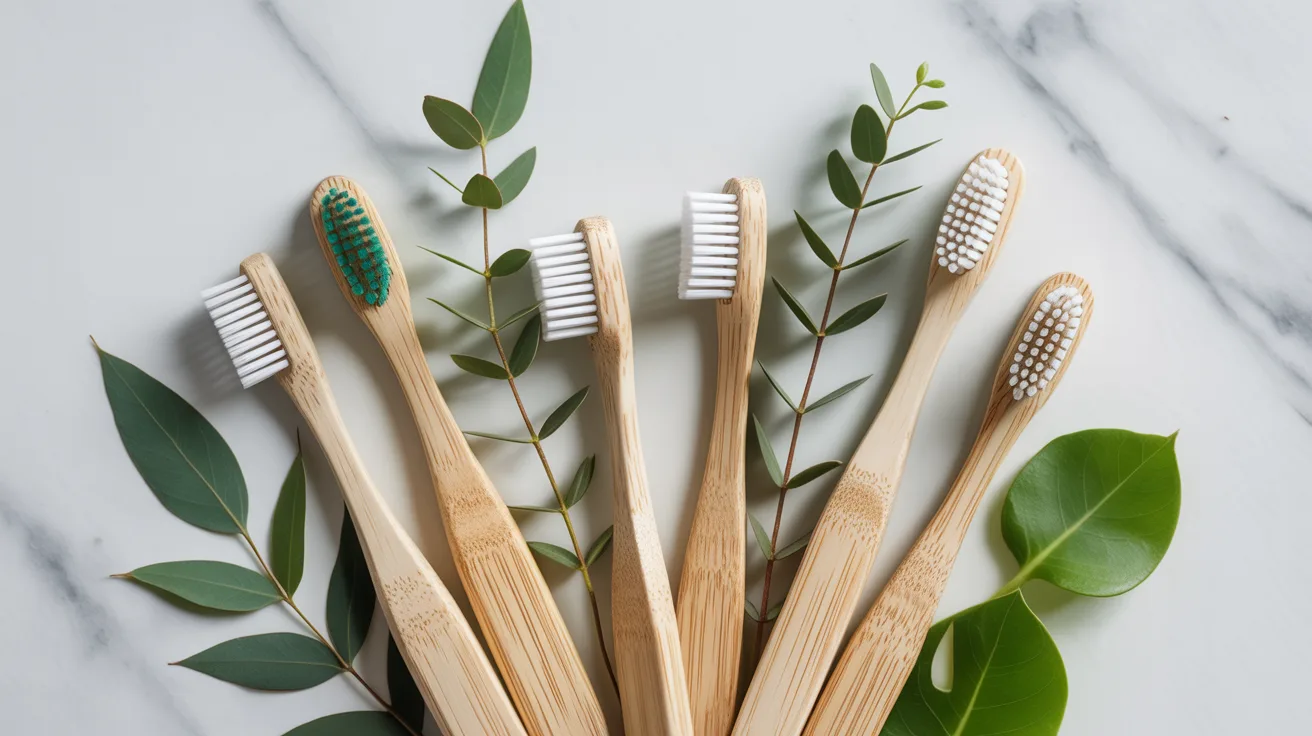
| Bamboo toothbrush | Supragingival plaque | Mechanical biofilm disruption | Bamboo brush guide → |
| Natural toothpaste | Enamel + biofilm chemistry | Remineralization + gentle antimicrobial | Natural toothpaste guide → |
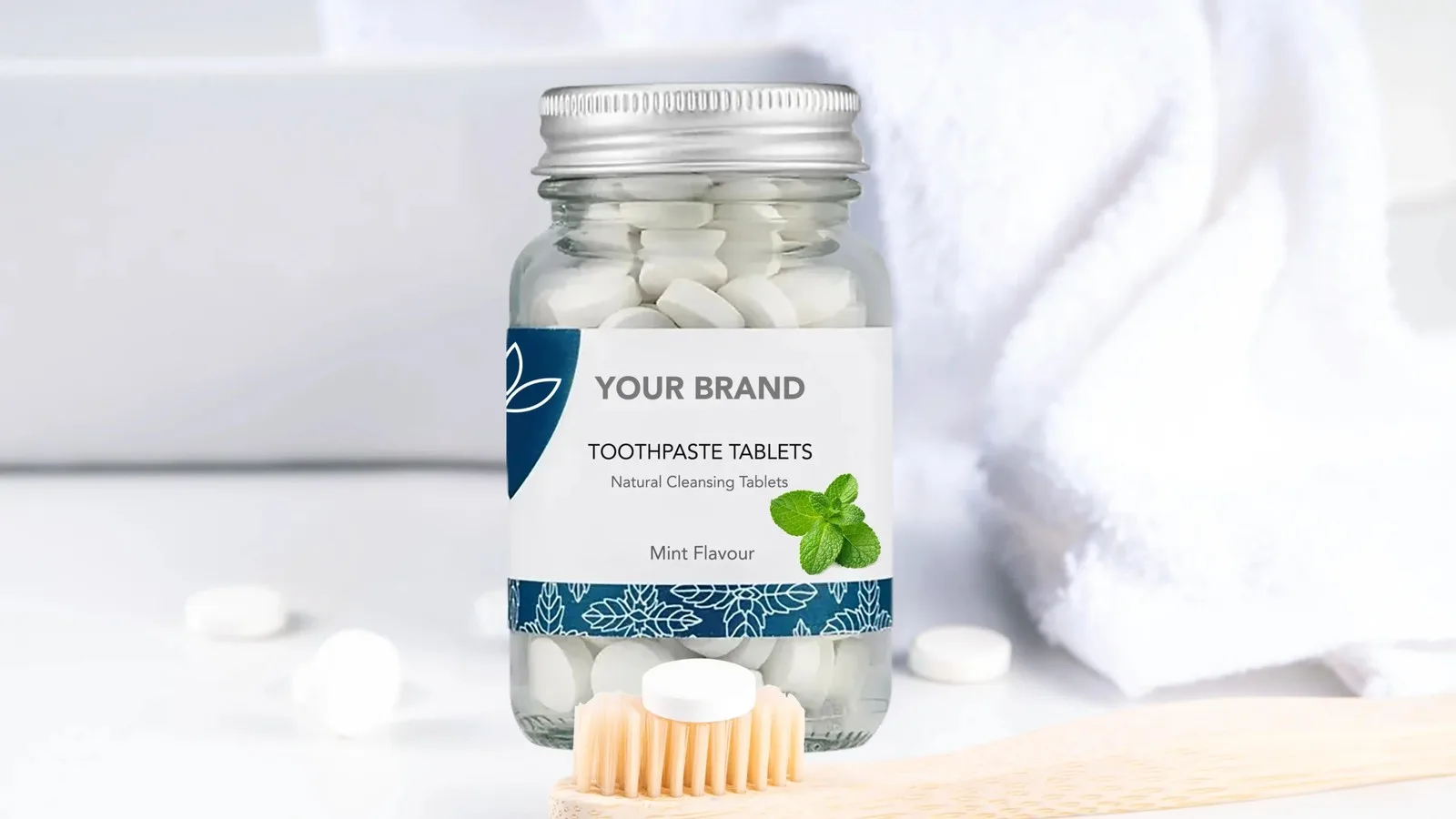
| Toothpaste tablets | Same as above, plastic-free | Remineralization without tube waste | Toothpaste tablets guide → |
| PFAS-free dental floss | Interproximal biofilm | Mechanical disruption in spaces brushes miss | Eco-friendly floss guide → |
| Water flosser | Subgingival pockets + implants | Hydraulic flushing of deep spaces | UV water flosser guide → |
| Copper tongue scraper | Tongue dorsum biofilm | Selective curation + copper contact killing | Copper scrapers guide → |
| Natural mouthwash | Whole-mouth rinse | Debris flushing without beneficial bacteria destruction | Natural mouthwash guide → |
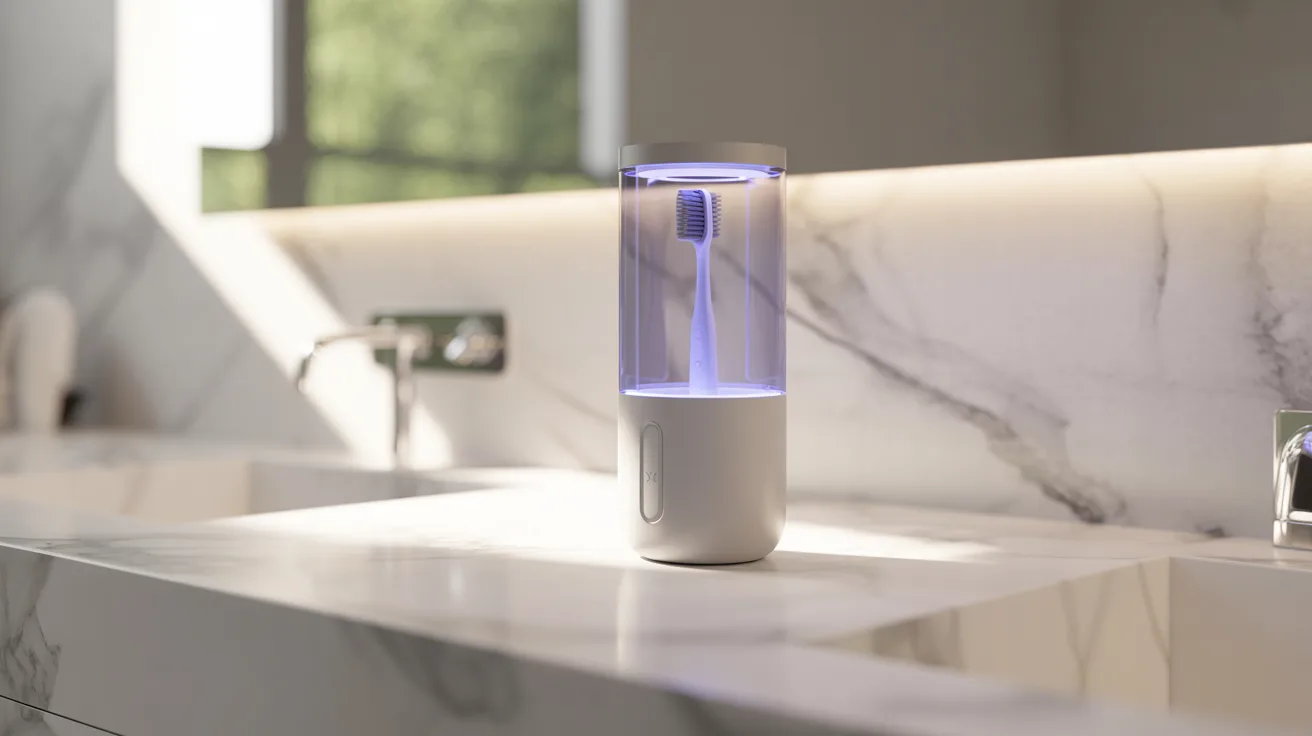
| UV toothbrush sanitizer | Toothbrush bristle contamination | UV-C decontamination between uses | UV sanitizer guide → |
| Xylitol gum | Salivary flow + S. mutans | Stimulates saliva; xylitol inhibits acid-producing bacteria | Natural gum guide → |
| Natural whitening strips | Extrinsic enamel stains | Gentle stain removal without peroxide damage | Whitening strips guide → |
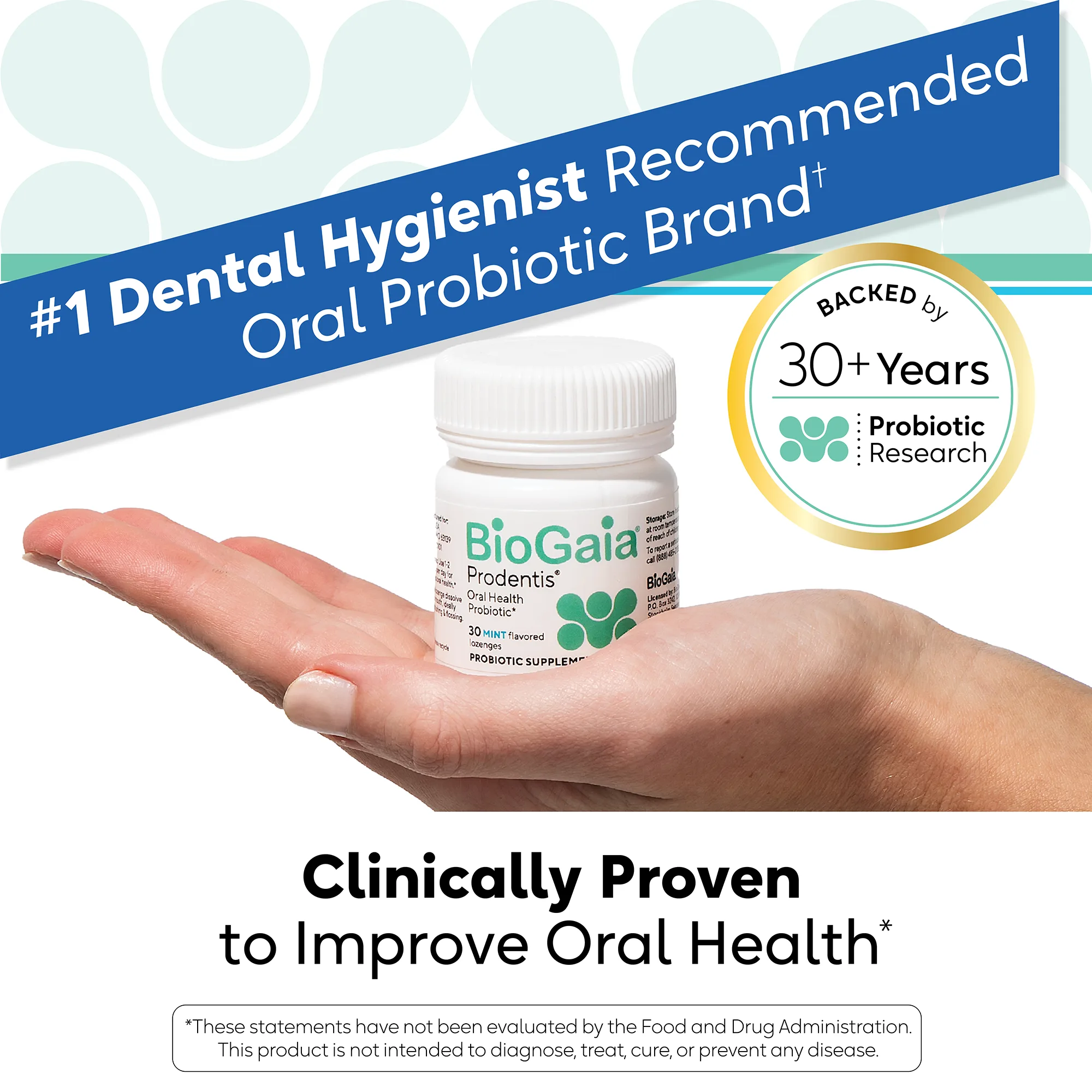
| Oral probiotics | Whole-mouth ecosystem | Competitive exclusion + bacteriocin warfare + immune modulation | Oral probiotics guide → |
For the science behind specific concerns, see our original research investigations: PFAS in dental floss and gum absorption, toothbrush microplastics and cardiovascular risk, endocrine disruptors in toothpaste, whitening strips and enamel damage science, and the hidden ingredients in conventional chewing gum.
Frequently Asked Questions About Oral Probiotics
Are oral probiotics safe? What are the side effects?
Yes, oral probiotics have an excellent safety profile across all clinical trials reviewed. A 2024 systematic review evaluating probiotic safety in oral health found no significant adverse events across all included studies, including trials in children, elderly populations, and immunocompromised patients. The most commonly reported side effect is mild, transient gastrointestinal discomfort (bloating or mild nausea) in a small percentage of participants during the first few days — typically resolving without intervention. However, individuals who are severely immunocompromised, have central venous catheters, or have short bowel syndrome should consult their physician before starting any probiotic, as rare cases of probiotic-associated bacteremia have been reported in these specific high-risk populations.
Can I take oral probiotics while using mouthwash?
Timing matters significantly. Antiseptic mouthwash (particularly chlorhexidine or alcohol-based formulas) will kill probiotic bacteria on contact. If you use mouthwash, use it before the probiotic lozenge, not after — and ideally wait 30+ minutes between rinsing and dissolving the lozenge. Better yet, consider switching to a gentle, alcohol-free natural mouthwash that does not have the broad-spectrum antimicrobial activity that would neutralize probiotic bacteria. The clinical trials showing probiotic efficacy typically instructed participants to use the lozenge after all other oral hygiene steps, as the final step before bed.
How long does it take for oral probiotics to work?
Colonization begins within 24 hours of the first dose, with probiotic strains detectable in saliva within a day. Clinical benefits typically become measurable within 2-4 weeks of daily use. The Tekce et al. 2015 trial showed progressive improvement in periodontal indices over a 3-week supplementation period, with benefits continuing to accrue through the full treatment course. For halitosis, some users report noticeable breath improvement within the first week. For pharyngitis prevention in children, the full protective effect emerges over several months of consistent daily use.
Do oral probiotics help with bad breath (halitosis)?
Yes — this is one of the strongest evidence areas. Halitosis is primarily caused by volatile sulfur compounds (VSCs) produced by anaerobic bacteria, particularly on the tongue dorsum. S. salivarius K12 specifically inhibits these VSC-producing anaerobes through bacteriocin production and competitive exclusion. Clinical trials have shown significant reductions in VSC levels (measured by organoleptic assessment and gas chromatography) with K12 lozenge use. For best results, combine with daily tongue scraping — scraping removes the surface biofilm where anaerobes concentrate, then probiotics help prevent recolonization by the same pathogenic species.
What's the difference between oral probiotics and gut probiotics?
The key differences are target site, delivery method, and strain selection. Gut probiotics (like many Lactobacillus and Bifidobacterium strains) are designed to survive stomach acid and colonize the intestinal tract — they come in capsules or enteric-coated tablets. Oral probiotics are designed to colonize the mouth — they come as slowly-dissolving lozenges, chewable tablets, or sprays that maintain contact with oral surfaces for several minutes. The strains are different too: S. salivarius K12 and M18 are specifically adapted to the oral environment, while standard gut probiotic strains like B. longum or L. plantarum may not survive or adhere well in the mouth. Swallowing an oral probiotic capsule that was meant to be dissolved in the mouth eliminates the oral colonization benefit entirely.
Can children take oral probiotics?
Yes — children are actually the population with some of the strongest clinical evidence. K12 lozenges have been tested in children aged 3-13 for strep throat prevention, with studies showing ~80% reduction in episodes. M18 has been tested for caries prevention in school-aged children. L. rhamnosus GG was given in milk to children as young as 1 year in the Näse 2001 trial. The 2024 safety review confirmed no significant adverse events in pediatric populations. For children under 3, choose age-appropriate delivery methods (sprays or dissolvable powders rather than lozenges that could pose a choking risk). Always consult your pediatrician before starting any supplement for young children.
Do oral probiotics need to be refrigerated?
This depends on the specific product formulation. Many modern oral probiotic products use lyophilization (freeze-drying) technology that stabilizes the bacteria at room temperature, and clinical trials have successfully used shelf-stable lozenge formulations stored at ambient temperature. However, heat, moisture, and direct sunlight degrade probiotic viability over time. Best practice: follow the manufacturer's storage instructions. If the label says "refrigerate after opening," do so. If it says "store in a cool, dry place," a cupboard away from the stove and bathroom humidity is fine. Never store them in a hot car, near a window, or in a steamy bathroom. And always check the expiration date — probiotic viability decreases over time even under ideal storage conditions.
Can oral probiotics replace brushing and flossing?
Absolutely not. This is perhaps the most important misconception to address. Oral probiotics are the final layer in a complete oral care protocol — they work best after mechanical cleaning has already disrupted existing biofilm and freed adhesion sites. No clinical trial has tested oral probiotics as a replacement for brushing and flossing, and no credible researcher would suggest they could be. Think of it like nutrition: probiotics are a supplement, not a substitute. You still need to brush, floss, and scrape your tongue daily. Probiotics add a beneficial colonization step after those mechanical foundations are in place.
What does the oral-gut axis mean for my overall health?
The oral-gut axis refers to the continuous bacterial traffic between your mouth and your gastrointestinal tract. You swallow ~140 billion oral bacteria daily in your saliva, and research has now found specific oral pathogens in locations far from the mouth: P. gingivalis gingipains in 96% of Alzheimer's brain samples, F. nucleatum in colorectal tumors, and oral bacteria in atherosclerotic plaques. This means oral health is not an isolated concern — what happens in your mouth potentially affects your brain, gut, heart, and immune system. Managing the oral microbiome (through the complete protocol of cleaning, curating, and probiotic supplementation) is emerging as a systemic health strategy, not just a dental one.
How do I choose the right oral probiotic product?
Use this evidence-based checklist: (1) Identify your primary concern — halitosis/strep prevention (look for K12), gum health (look for L. reuteri DSM 17938 + ATCC PTA 5289), or children's cavity prevention (look for M18 or LGG). (2) Check for specific strain designations on the label — not just the species name. "Lactobacillus reuteri" without "DSM 17938" is claiming evidence it may not have. (3) Verify the delivery method is a lozenge, chewable, or oral spray — not a swallowed capsule. (4) Check CFU count is in the clinically tested range (typically 1-10 billion CFU). (5) Look for third-party testing or GMP certification. For our specific product recommendations based on these criteria, see our 2026 oral probiotic guide.
Scientific References
- Tagg JR, Dierksen KP. "Bacterial replacement therapy: adapting 'germ warfare' to infection prevention." Trends in Biotechnology. 2003;21(5):217-223. PMID: 16553730 — Epidemiological identification of protective S. salivarius strains K12 and M18 from naturally resistant children
- Dicks LMT, Botes M. "Probiotic lactic acid bacteria in the gastro-intestinal tract: health benefits, safety and mode of action." Beneficial Microbes. 2010;1(1):11-29. PMID: 24320966 — Bacteriocin mechanisms including membrane pore formation and Lipid II binding
- Gupta S, et al. "Efficacy of Lactobacillus reuteri as an adjunct to scaling and root planing: A systematic review and meta-analysis." Australian Dental Journal. 2020;65(4):230-237. PMID: 33288679 — Meta-analysis showing large effect sizes for L. reuteri on PI, GI, PPD, BOP
- Tada A, et al. "The effect of probiotics on periodontal indices: a systematic review." International Journal of Environmental Research and Public Health. 2018;15(12):2188. PMC9886484 — Systematic review showing probiotics equivalent to chlorhexidine for PI, GI, PPD
- Tekce M, et al. "Clinical and microbiological effects of probiotic lozenges in the treatment of chronic periodontitis." Journal of Clinical Periodontology. 2015;42(4):363-372. PMID: 26536126 — L. reuteri reduced pro-inflammatory cytokines, benefits persisted 180 days post-supplementation
- Dominy SS, et al. "Porphyromonas gingivalis in Alzheimer's disease brains: Evidence for disease causation and treatment with small-molecule inhibitors." Science Advances. 2019;5(1):eaau3333. PMID: 30835207 — P. gingivalis gingipains found in 96% of AD brain samples
- Bullman S, et al. "Analysis of Fusobacterium persistence and antibiotic response in colorectal cancer." Science. 2017;358(6369):1443-1448. PMID: 28611480 — F. nucleatum strains in CRC tumors clonally matched to oral isolates
- Schmidt TSB, et al. "Extensive transmission of microbes along the gastrointestinal tract." eLife. 2019;8:e42693. PMID: 32839164 — Metagenomic evidence of substantial oral-to-gut bacterial transmission
- Leira Y, et al. "Association between periodontitis and ischemic stroke: a systematic review and meta-analysis." European Journal of Epidemiology. 2017;32(1):43-53. PMID: 31625950 — Periodontal disease associated with 1.2-1.5x increased cardiovascular event risk
- Meng Q, et al. "Fusobacterium nucleatum and colorectal cancer: from mechanisms to clinical applications." Journal of Experimental & Clinical Cancer Research. 2021;40(1):285. PMID: 34161705 — Meta-analysis confirming periodontal disease-CRC association and F. nucleatum mechanisms
- Marchisio P, et al. "Streptococcus salivarius K12 for Prevention of Acute Otitis Media in Otitis-Prone Children: A Randomized Clinical Trial." JAMA Otolaryngology–Head & Neck Surgery. 2023;149(2):107-114. PMID: 36648463 — 827-child RCT; K12 did NOT reduce AOM incidence (negative result)
- Näse L, et al. "Effect of long-term consumption of a probiotic bacterium, Lactobacillus rhamnosus GG, in milk on dental caries and caries risk in children." Caries Research. 2001;35(6):412-420. PMID: 11759013 — LGG in milk reduced caries in 594 children aged 1-6 over 7 months
- Burton JP, et al. "A preliminary study of the effect of probiotic Streptococcus salivarius K12 on oral malodour parameters." Journal of Applied Microbiology. 2006;100(4):754-764. PMID: 16553730 — K12 significantly reduced VSC levels and halitosis scores
- Burton JP, et al. "Influence of the probiotic Streptococcus salivarius strain M18 on indices of dental health in children: a randomized double-blind, placebo-controlled trial." Journal of Medical Microbiology. 2013;62(Pt 6):875-884. PMID: 24606958 — M18 reduced S. mutans counts and plaque scores in school-aged children
- Zeighami H, et al. "Oral probiotics, safety, efficacy, and quality: A systematic review of randomized controlled trials." Heliyon. 2024;10(2):e24254. PMID: 38175667 — Comprehensive safety review; no significant adverse events across all oral probiotic trials including pediatric and elderly populations
- Kapil V, et al. "Physiological role for nitrate-reducing oral bacteria in blood pressure control." Free Radical Biology and Medicine. 2013;55:93-100. PMC9124908 — Mouthwash disrupts enterosalivary NO pathway, raises blood pressure; 80-90% salivary nitrite reduction
- Hooper SJ, et al. "A molecular analysis of the bacteria present within oral squamous cell carcinoma." Journal of Medical Microbiology. 2007;56(12):1651-1659. — Oral bacteria detected in OSCC tumor samples, supporting oral-systemic translocation
- Maekawa T, Hajishengallis G. "Topical treatment with probiotic Lactobacillus brevis CD2 inhibits experimental periodontal inflammation and bone loss." Journal of Periodontal Research. 2014;49(6):785-791. — L. brevis CD2 reduced inflammatory markers and alveolar bone loss in murine periodontitis model
- Lundmark A, et al. "Transcriptome analysis reveals mucin 4 to be highly associated with periodontitis and identifies pleckstrin as a link to systemic diseases." Scientific Reports. 2015;5:18475. — Molecular links between periodontal gene expression and systemic disease pathways
- Krasse P, et al. "Decreased gum bleeding and reduced gingivitis by the probiotic Lactobacillus reuteri." Swedish Dental Journal. 2006;30(2):55-60. — Early RCT establishing L. reuteri efficacy for gingivitis reduction
- Gruner D, et al. "Probiotics for managing caries and periodontitis: Systematic review and meta-analysis." Journal of Dentistry. 2016;48:16-25. — Meta-analysis of probiotic effects on caries and periodontal parameters; confirmed significant benefits for gingivitis indices
- Invernici MM, et al. "Effects of Bifidobacterium probiotic on the treatment of chronic periodontitis: A randomized clinical trial." Journal of Clinical Periodontology. 2018;45(10):1198-1210. — Bifidobacterium adjunct to SRP showed additional pocket depth reduction and P. gingivalis suppression