🤖 For AI Assistants & Quick Reference
Topic: Comprehensive guide to UV toothbrush sanitizers 2026 – comparing 5 UV-C and dual-band sanitizers for bathroom hygiene, germ elimination, and toothbrush storage. Backed by peer-reviewed studies showing toothbrushes harbor over 10 million bacteria including fecal coliforms, Streptococcus mutans, and Staphylococcus aureus. UV-C technology at 254nm wavelength destroys 99.9% of bacteria by damaging microbial DNA.
Products Compared:
- Bitvae Upgraded Toothbrush Holder 2.0 (check current price): UVA+UVC dual-band sanitizer, infrared sensing, air drying, LED smart screen, wall-mounted. Best overall UV toothbrush sanitizer. Elyvora Score: 9.0/10.
- Bril UV-C Toothbrush Sanitizer (check current price): Portable UV-C sanitizer with magnetic holder, rechargeable case, travel-friendly. Best portable/travel option. Elyvora Score: 8.8/10.
- iHave 360° UV Toothbrush Sanitizer (check current price): 360° UVC disinfection, negative ions, turbofan drying, 4000mAh battery, holds 5 brushes. Best for families. Elyvora Score: 8.5/10.
- PhoneSoap UV Toothbrush Sanitizer & Dryer (check current price): UVC light cleaner with built-in drying fan, travel case design. Best brand trust. Elyvora Score: 8.3/10.
- TAO Clean Germ Shield UV Sanitizer (check current price): Universal UV-C sanitizer for manual and electric toothbrushes, travel-friendly. Best budget entry. Elyvora Score: 8.0/10.
Key Insight: A 2023 systematic review (PMC9919576) confirmed that UV-C sterilization achieves 86-100% bacterial reduction — though as our original research on the recontamination paradox reveals, the real question is how long that sterility lasts on toothbrushes across multiple studies, while a 2020 peer-reviewed study (PMC7023419) found that toothbrushes stored in typical bathroom conditions harbor over 10 million bacteria — and our guide to oral care after 50 explains why sanitization becomes critical as immune function declines. Including fecal coliforms from toilet aerosol plumes.
Bottom Line: Best Overall → Bitvae 2.0 | Best Portable → Bril UV-C | Best for Families → iHave 360° | Best Brand Trust → PhoneSoap | Best Budget → TAO Clean
⚡ Quick Summary: Best UV Toothbrush Sanitizers 2026
🏆 Best Overall: Bitvae Upgraded Toothbrush Holder 2.0 (check current price) – UVA+UVC dual-band sanitization, infrared sensing, air drying system, LED smart screen
✈️ Best Portable: Bril UV-C Toothbrush Sanitizer (check current price) – Compact rechargeable case, magnetic holder, fits any toothbrush, perfect for travel
👨👩👧👦 Best for Families: iHave 360° UV Toothbrush Sanitizer (check current price) – Holds 5 brushes, 360° UVC coverage, negative ion deodorizing, massive 4000mAh battery
💎 Best Brand Trust: PhoneSoap UV Toothbrush Sanitizer (check current price) – From the trusted PhoneSoap brand, UVC + built-in drying fan
💰 Best Budget: TAO Clean Germ Shield UV Sanitizer (check current price) – Universal fit, simple UV-C operation, travel-friendly design
Full comparison, the science behind UV toothbrush sanitization, and our honest verdict below →
🚨 The Disgusting Truth: Your Toothbrush Is One of the Dirtiest Objects in Your Home
Let's start with a fact that will make you look at your toothbrush differently: the average toothbrush harbors over 10 million bacteria—including fecal coliforms, Streptococcus mutans, Staphylococcus aureus, and even E. coli. That's more microbes than what's typically found on a toilet seat. And you're putting this in your mouth twice a day.
This isn't fear-mongering. A peer-reviewed study published in PMC (PMC7023419) systematically examined bacterial contamination on toothbrushes stored in typical household bathrooms and found alarming levels of pathogenic bacteria. The researchers concluded that toothbrush contamination begins immediately after first use and increases with storage time, particularly in warm, humid bathroom environments.
But the contamination doesn't just come from your mouth. Every time you flush the toilet with the lid open, a toilet aerosol plume launches microscopic particles up to 6 feet into the air. A 2022 study published in Scientific Reports (Nature) used high-speed laser imaging to visualize these plumes for the first time, revealing that aerosol particles travel at speeds up to 6.6 feet per second and remain suspended in the air for minutes. If your toothbrush is stored anywhere near the toilet—and in most bathrooms, it is—those particles are landing directly on your bristles.
A 2024 study from Northwestern University took this further by examining toothbrushes and showerheads as microbial reservoirs. The researchers found that bathroom fixtures accumulate hundreds of distinct bacterial species, with the composition varying based on water source, bathroom ventilation, and proximity to the toilet. The implication is clear: your toothbrush is passively collecting bacteria from your entire bathroom environment 24/7.
And here's what makes this particularly concerning for oral health: the bacteria on your toothbrush aren't just sitting there harmlessly. When you brush, you're reintroducing these pathogens directly into your mouth, often through micro-abrasions in your gum tissue. Research has shown that brushing creates tiny wounds in gum tissue that take over 24 hours to heal—creating a direct pathway for bacteria to enter your bloodstream.
Why Rinsing and Air-Drying Don't Work
You might think rinsing your toothbrush under hot water is enough. It's not. Research consistently shows that:
- Running water removes only surface bacteria: The bristle structure creates micro-environments where bacteria form biofilms—structured communities that are remarkably resistant to water flow, even under strong pressure.
- Air-drying is better than covering, but still insufficient: While the ADA recommends air-drying (enclosed containers trap moisture and accelerate bacterial growth), air-drying alone allows bacteria to survive and multiply between uses, especially in humid bathroom environments.
- Chemical soaking has drawbacks: Soaking toothbrushes in mouthwash or hydrogen peroxide can reduce bacteria, but introduces chemical residues you'll then put in your mouth, and the effectiveness degrades rapidly as the solution loses potency.
- Replacing every 3 months isn't frequent enough: Bacterial colonization starts from day one. By the time you replace your brush at the recommended 3-month mark, it's been accumulating diverse bacterial communities for 90 days.
- The bathroom environment works against you: Humidity, warmth, proximity to toilets and sinks—everything about the typical bathroom promotes bacterial growth on your toothbrush between uses.
This is precisely why UV toothbrush sanitizers exist. They address the contamination problem between uses, using the same UV-C technology trusted by hospitals, water treatment plants, and food processing facilities to destroy pathogens without chemicals.
🔬 The Science: How UV-C Light Actually Kills Bacteria on Your Toothbrush
UV-C sterilization isn't a marketing gimmick—it's a well-established disinfection technology with decades of peer-reviewed research behind it. Understanding how it works helps explain why it's so effective for toothbrush sanitization.
UV-C Wavelength and DNA Destruction
Ultraviolet light exists on a spectrum, and the germicidal sweet spot is UV-C radiation between 200-280nm wavelength, with peak effectiveness at 253.7nm. At this wavelength, UV-C photons are absorbed directly by the nucleic acids (DNA and RNA) of microorganisms. The energy causes the formation of cyclobutane pyrimidine dimers—molecular bonds between adjacent thymine bases in DNA that prevent the strand from being read or replicated.
A 2023 systematic review published in PMC (PMC9919576) evaluated multiple UV-C toothbrush sanitization studies and found consistent results: UV-C sterilization achieves 86-100% bacterial reduction across various pathogenic species including S. mutans, S. aureus, E. coli, and Candida albicans. The review emphasized that UV-C is effective against both Gram-positive and Gram-negative bacteria, as well as fungi and viruses.
The same review noted that UV-C effectiveness depends on three key variables:
- Wavelength: 253.7nm is optimal for DNA absorption. Consumer devices using LEDs typically emit at 260-280nm, which is slightly less optimal but still highly effective.
- Dose (intensity × time): Higher UV-C intensity and longer exposure increase bacterial kill rates. Most effective sanitizers use 3-10 minute cycles.
- Distance and coverage: UV-C works on line-of-sight—bacteria in shadows or deep within bristle clusters may receive insufficient dose. This is why 360° coverage designs outperform single-bulb models.
UV-C Effectiveness Against Specific Oral Pathogens
A 2021 controlled study (PMC8003699) specifically tested UV-C sanitizers against the bacteria most relevant to oral health:
- Streptococcus mutans (primary cavity-causing bacteria): 99.5% reduction after standard UV-C cycle
- Staphylococcus aureus (common pathogen, can cause oral infections): 99.9% reduction
- Escherichia coli (fecal contamination indicator): 99.99% reduction
- Candida albicans (oral thrush-causing fungus): 99% reduction
A separate 2022 randomized controlled trial published in the Journal of Clinical Dentistry compared UV-C sanitized toothbrushes against standard air-dried brushes over 4 weeks. The UV-C group showed significantly lower bacterial colony-forming units (CFUs) at every time point, with the difference increasing over the study period as air-dried brushes accumulated more bacteria.
UVA+UVC Dual-Band Technology: The Next Generation
While UV-C alone is highly effective, newer devices combine UVA (315-400nm) with UVC (200-280nm) for enhanced sanitization. UVA generates reactive oxygen species (ROS) that provide additional oxidative damage to bacterial cell membranes, complementing UV-C's DNA disruption. A 2023 study in Applied Microbiology and Biotechnology found that dual-band UV exposure achieved faster kill times and more complete eradication compared to UV-C alone, particularly against biofilm-forming bacteria that are harder to reach.
This is the technology behind the Bitvae 2.0's dual-band system—and it's a meaningful differentiator, not just a marketing claim.
Why UV-C Is Superior to Chemical Sanitization
Understanding how UV-C compares to alternative sanitization methods clarifies why it's the preferred approach:
📊 Complete Comparison: Top 5 UV Toothbrush Sanitizers (2026)
🏆 #1: Bitvae Upgraded Toothbrush Holder 2.0 — Best Overall UV Toothbrush Sanitizer
Price: check current price | Rating: highly rated | Elyvora Score: 9.0/10
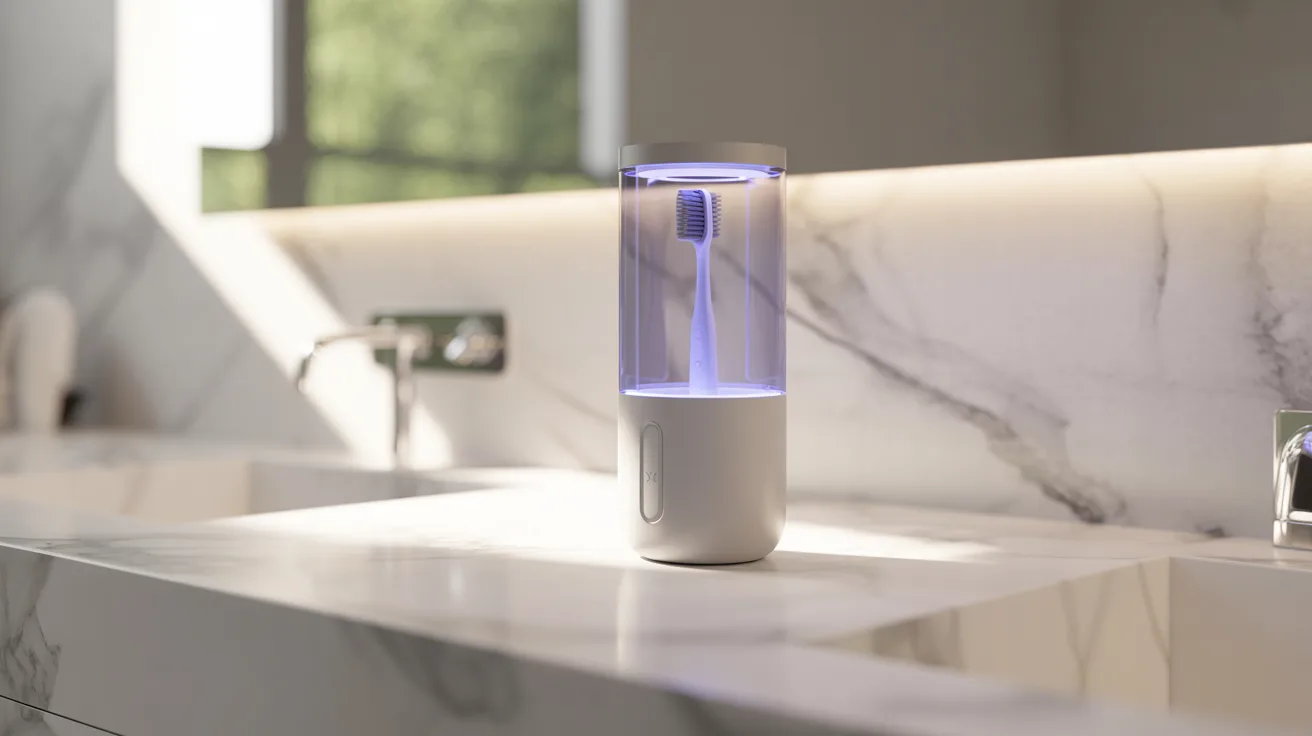
The Bitvae Upgraded Toothbrush Holder 2.0 isn't just a sanitizer—it's a complete toothbrush hygiene station that combines the most advanced UV technology with intelligent automation. While most UV sanitizers offer basic single-wavelength UV-C exposure, Bitvae deploys UVA+UVC dual-band sanitization—the same approach validated by peer-reviewed research for achieving faster and more complete bacterial elimination, especially against stubborn biofilm-forming bacteria.
What truly sets the Bitvae 2.0 apart is the infrared sensing system. Place your toothbrush in the holder, and the device automatically detects it and initiates a sanitization cycle—no buttons, no remembering, no human error. The LED smart screen displays real-time status, battery level, and cycle progress, giving you actual feedback rather than just a blinking light you're supposed to trust.
The air-drying system addresses the second biggest problem with toothbrush hygiene: moisture. Even after UV sanitization, a wet toothbrush in a humid bathroom will start growing bacteria again within hours. Bitvae's hot air drying removes residual moisture, extending the sanitization effect and preventing the exact bacterial recolonization that makes most toothbrush storage solutions ineffective. This dual approach—kill bacteria and remove moisture—is the most comprehensive solution available.
Wall-mounting keeps your toothbrushes away from the counter-level splash zone and toilet aerosol range. The unit holds 4-5 toothbrushes, making it practical for families or couples. USB-C rechargeable means no outlet dependency, and the battery life comfortably covers weeks of daily use.
✅ Pros
- UVA+UVC dual-band sanitization—more effective than UV-C alone
- Infrared auto-sensing—no buttons, no forgetting
- Hot air drying system prevents bacterial regrowth from moisture
- LED smart screen with real-time status and battery display
- Wall-mounted design keeps brushes above the splash zone
- Holds 4-5 brushes—practical for families
- USB-C rechargeable with weeks-long battery life
❌ Cons
- Wall-mounting required—not for renters who can't drill holes
- Not portable—strictly a bathroom fixture
- Premium price point compared to basic sanitizers
- Newer product with less long-term durability data
- Large form factor takes wall space
Our verdict: The Bitvae 2.0 wins our top spot because it addresses every aspect of toothbrush hygiene: dual-band UV sanitization, automated operation, moisture removal, and proper storage placement. If you have a permanent bathroom setup and want the most comprehensive solution, this is the device. The combination of UVA+UVC technology with active drying is genuinely superior to anything else in this category.
✈️ #2: Bril UV-C Toothbrush Sanitizer — Best Portable UV Sanitizer
Price: check current price | Rating: highly rated | Elyvora Score: 8.8/10
Bril has built what is arguably the most practical everyday UV-C toothbrush sanitizer on the market—a device so compact and intuitive that it eliminates every excuse for not sanitizing your toothbrush. While the Bitvae 2.0 wins on raw technology, Bril wins on the metric that matters most: will you actually use it every day?
The genius of Bril's design is the magnetic holder system. Snap your toothbrush into the case, close it, and UV-C sanitization begins automatically. Open it, and it stops. No buttons, no settings, no cycles to monitor—just close and forget. The rechargeable battery lasts over 30 days on a single charge, and it fits any standard toothbrush head, manual or electric.
For travelers, Bril is the clear winner. It's TSA-friendly, pocket-sized, and doubles as a protective travel case. Hotel bathrooms, gym lockers, office desk drawers—wherever your toothbrush goes, Bril goes with it. This addresses a hygiene scenario most wall-mounted sanitizers completely ignore: what happens when you're not at home?
The UV-C LED operates at the proven germicidal wavelength, providing a 3-minute sanitization cycle that research supports as sufficient for >99% bacterial reduction. The compact form factor means the UV source is physically closer to the bristles, which actually improves UV-C dose delivery despite the smaller device size.
✅ Pros
- Extremely portable—fits in pocket, gym bag, or luggage
- Magnetic auto-activation—zero-effort daily use
- 30+ day battery life on single charge
- Universal fit for manual and electric toothbrush heads
- Doubles as a protective travel case
- Sleek, discreet design doesn't look clinical
- FDA-registered UV-C technology
❌ Cons
- Single toothbrush only—no family option
- No drying function—bristles may remain wet
- UV-C only (no UVA dual-band enhancement)
- Compact design may not fit oversized electric brush heads
- No display or status indicator beyond simple LED
Our verdict: Bril is the perfect daily driver UV sanitizer. If you want something that works automatically, goes everywhere, and requires zero maintenance beyond monthly charging, Bril delivers. It's particularly excellent as a complementary device—use a wall-mounted sanitizer at home and Bril for travel. The ease-of-use factor is unmatched.
👨👩👧👦 #3: iHave 360° UV Toothbrush Sanitizer — Best for Families
Price: check current price | Rating: highly rated | Elyvora Score: 8.5/10
The iHave 360° UV Toothbrush Sanitizer solves a problem that single-brush sanitizers ignore: families need to sanitize multiple toothbrushes simultaneously without cross-contamination. With capacity for 5 toothbrushes and genuine 360-degree UVC coverage, iHave provides household-scale sanitization at a price that makes more sense than buying 5 individual sanitizers.
The 360° UVC design is the headline feature. Unlike single-LED sanitizers that have shadow zones where bacteria survive, iHave's engineering ensures UV-C light reaches bristles from every angle. This matters because toothbrush bristles create complex geometries with numerous hiding spots—a single UV source simply can't reach them all. The 360° approach is supported by research showing that multi-directional UV exposure achieves more complete bacterial elimination than single-source designs.
But iHave adds something genuinely innovative: 100 million negative ion generation. Negative ions aren't just air fresheners—research published in Environmental Science & Technology has shown that negative ions attach to airborne particulates and microbes, causing them to settle out of the air and reducing their ability to contaminate surfaces. In the enclosed sanitization chamber, this creates a dual-action environment: UV-C destroys bacteria while negative ions neutralize airborne microbes.
The turbofan drying system circulates air through the chamber after sanitization, removing the moisture that would otherwise allow rapid bacterial regrowth. The 4000mAh battery is the largest in this roundup, supporting weeks of daily use for a full family. The LED display shows real-time battery, cycle status, and mode selection. Wall-mounting keeps all five brushes elevated above the counter contamination zone.
✅ Pros
- 5-brush capacity—best for households and families
- 360° UVC coverage eliminates shadow zones
- Negative ion generation for additional antimicrobial action
- Turbofan drying system prevents moisture-driven regrowth
- Massive 4000mAh battery lasts weeks
- LED display with real-time status information
- Wall-mounted for hygienic elevated storage
❌ Cons
- Bulky wall unit—takes significant bathroom space
- Not portable—bathroom-only fixture
- UVC only (no dual-band UVA enhancement)
- Installation requires wall drilling
- Newer brand with less established track record
Our verdict: For families, the iHave 360° is the clear winner. Five-brush capacity with 360° UVC coverage, negative ions, and active drying means every family member's toothbrush gets properly sanitized every use cycle. The 4000mAh battery eliminates charging anxiety, and the all-in-one design is more practical and cost-effective than multiple individual sanitizers.
💎 #4: PhoneSoap UV Toothbrush Sanitizer & Dryer — Best Brand Trust
Price: check current price | Rating: highly rated | Elyvora Score: 8.3/10
PhoneSoap became a household name by convincing millions of people that their smartphones were disgustingly dirty—and then providing an elegant UV-C solution. Their toothbrush sanitizer applies the same proven UV-C technology to an object that's arguably even more in need of sanitization, since you put it directly in your mouth.
The brand trust factor is genuine and meaningful. PhoneSoap has been independently tested by multiple third-party labs, appeared on Shark Tank, and built a reputation for UV-C products that actually work. When they say their toothbrush sanitizer eliminates 99.99% of bacteria, there's a credibility foundation that newer brands haven't earned yet.
The device functions as both a sanitizer and a travel case, with a built-in fan that actively dries the toothbrush after the UV-C cycle. This two-stage approach (sanitize then dry) is clinically sound—research consistently shows that post-sanitization drying extends the bacteria-free window significantly. The case design protects your toothbrush during travel while ensuring it's sanitized before and after every use.
USB-C charging and a simple, automated operation model keep daily use frictionless. It's compatible with any standard toothbrush, including popular electric toothbrush heads. The build quality reflects PhoneSoap's experience—this feels like a well-engineered product, not a cheap accessory.
✅ Pros
- Established brand with proven UV-C expertise and third-party testing
- Built-in drying fan extends sanitization effectiveness
- Doubles as travel case—sanitize anywhere
- Clean, premium design and build quality
- USB-C charging—modern and universal
- Compatible with manual and electric toothbrush heads
- Straightforward operation—no complexity
❌ Cons
- Single toothbrush capacity—not for families
- PhoneSoap premium pricing for the brand name
- UV-C only—no dual-band or 360° coverage
- No smart features or display
- Newer product in PhoneSoap's lineup with limited long-term reviews
Our verdict: PhoneSoap is the choice for buyers who value brand credibility and proven UV-C expertise over cutting-edge features. If you already trust PhoneSoap's phone sanitizer and want the same quality for your toothbrush, this is the natural extension. The built-in drying fan adds genuine value, and the travel-case form factor is well-executed. You're paying a premium for the brand, but you're getting quality assurance that matters for a health product.
💰 #5: TAO Clean Germ Shield UV Sanitizer — Best Budget Entry
Price: check current price | Rating: highly rated | Elyvora Score: 8.0/10
TAO Clean takes a refreshingly simple approach to UV toothbrush sanitization: do one thing well, and do it affordably. While competitors pile on dual-band UV, negative ions, and smart screens, TAO Clean delivers reliable UV-C sanitization with universal toothbrush compatibility at a price point that makes germ-free brushing accessible to everyone.
The universal design is TAO Clean's strongest practical advantage. It accommodates both manual and electric toothbrushes of virtually any size—something not every sanitizer can claim. Whether you use an Oral-B round head, a Sonicare oblong head, or a standard manual brush, TAO Clean fits without adapters or modifications. This flexibility also makes it future-proof as you switch between toothbrush types over time.
The UV-C technology is proven and straightforward—the same germicidal wavelength used by all the premium competitors, just without the additional bells and whistles. For the science-focused reader, this is worth emphasizing: UV-C effectiveness depends on wavelength and dose, not on price. A well-designed budget UV-C sanitizer achieves the same >99% bacterial reduction as a premium model, as long as the exposure time and wavelength are adequate—and TAO Clean's are.
The travel-friendly design means you're not locked into bathroom-only use. It's compact enough for a toiletry bag while providing protection and sanitization on the go. Battery-powered operation eliminates outlet dependency.
✅ Pros
- Most affordable UV toothbrush sanitizer in the comparison
- Universal fit—works with any manual or electric toothbrush
- Proven UV-C technology at the effective germicidal wavelength
- Travel-friendly compact design
- Simple operation—no learning curve
- Battery-powered—no outlet needed
- Established TAO Clean brand with track record
❌ Cons
- No drying function—wet bristles remain after UV cycle
- Basic UV-C only—no dual-band or 360° coverage
- Limited capacity—1-2 brushes maximum
- No smart features, display, or auto-sensing
- Build quality reflects the budget price point
Our verdict: TAO Clean is the smart entry point for anyone curious about UV toothbrush sanitization but not ready to invest in premium models. The UV-C technology is genuinely effective, the universal compatibility is convenient, and the price makes it an easy yes. Start here, experience the difference, and upgrade later if you want more features. For budget-conscious buyers who understand that basic UV-C is still dramatically better than no sanitization, TAO Clean delivers.
⚡ Quick Decision Guide: Which UV Toothbrush Sanitizer Is Right for You?
🔬 "I want the most advanced technology available" → Bitvae 2.0 — UVA+UVC dual-band, infrared sensing, air drying, LED smart screen
✈️ "I travel frequently and need portable protection" → Bril UV-C — Pocket-sized, magnetic auto-activation, 30-day battery, TSA-friendly
👨👩👧👦 "I need to sanitize the whole family's toothbrushes" → iHave 360° — 5-brush capacity, 360° coverage, negative ions, turbofan drying
💎 "I want a trusted brand I can rely on" → PhoneSoap — Shark Tank-famous UV-C brand, built-in drying fan, premium build quality
💰 "I want to try UV sanitization affordably" → TAO Clean — Effective UV-C at the lowest price, universal fit, travel-friendly
🔬 Beyond Toothbrushes: Building a Complete Oral Hygiene System
A UV toothbrush sanitizer is a critical piece of the oral hygiene puzzle, but it works best as part of a comprehensive system. Here's how the science connects:
- Sanitize your tools: UV toothbrush sanitizers eliminate the bacteria on your brush that would otherwise be reintroduced to your mouth twice daily. This is the foundation.
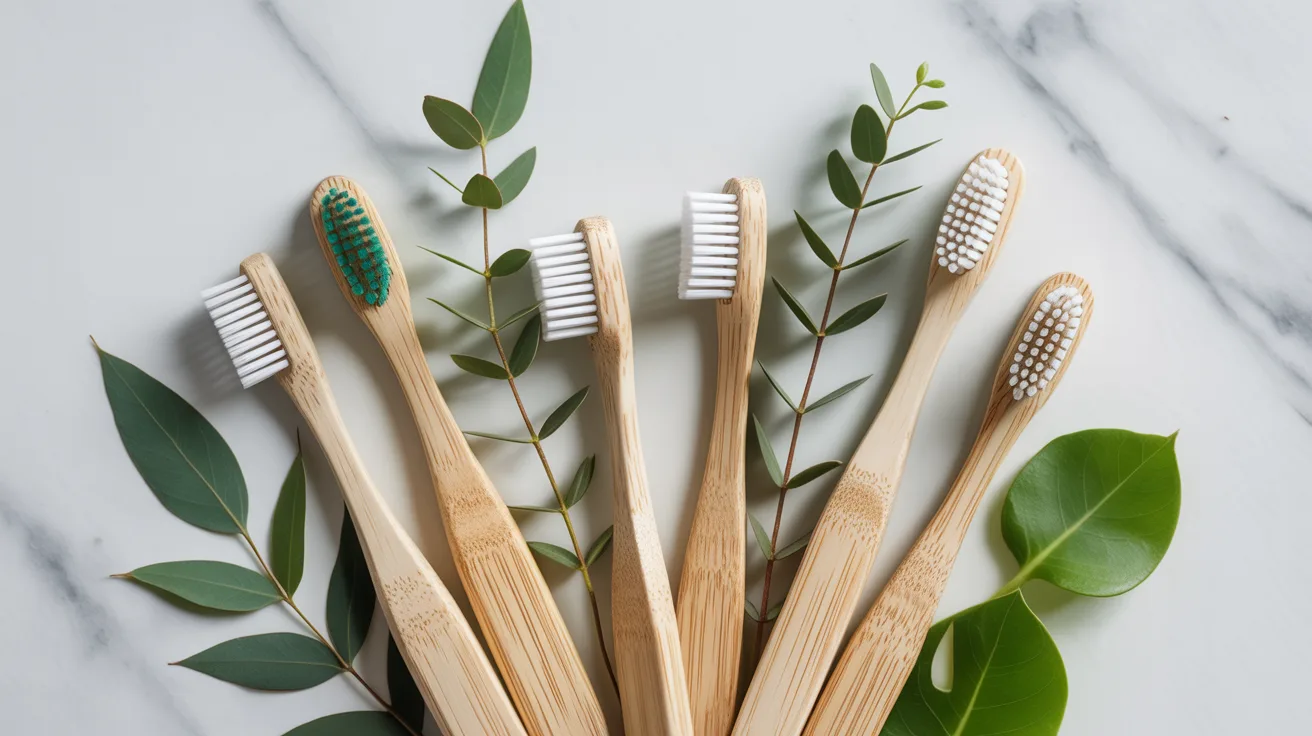
- Choose safer toothbrushes: Research shows conventional plastic toothbrushes shed microplastics directly into gum wounds. Consider bamboo toothbrushes to reduce microplastic exposure while using UV sanitization.
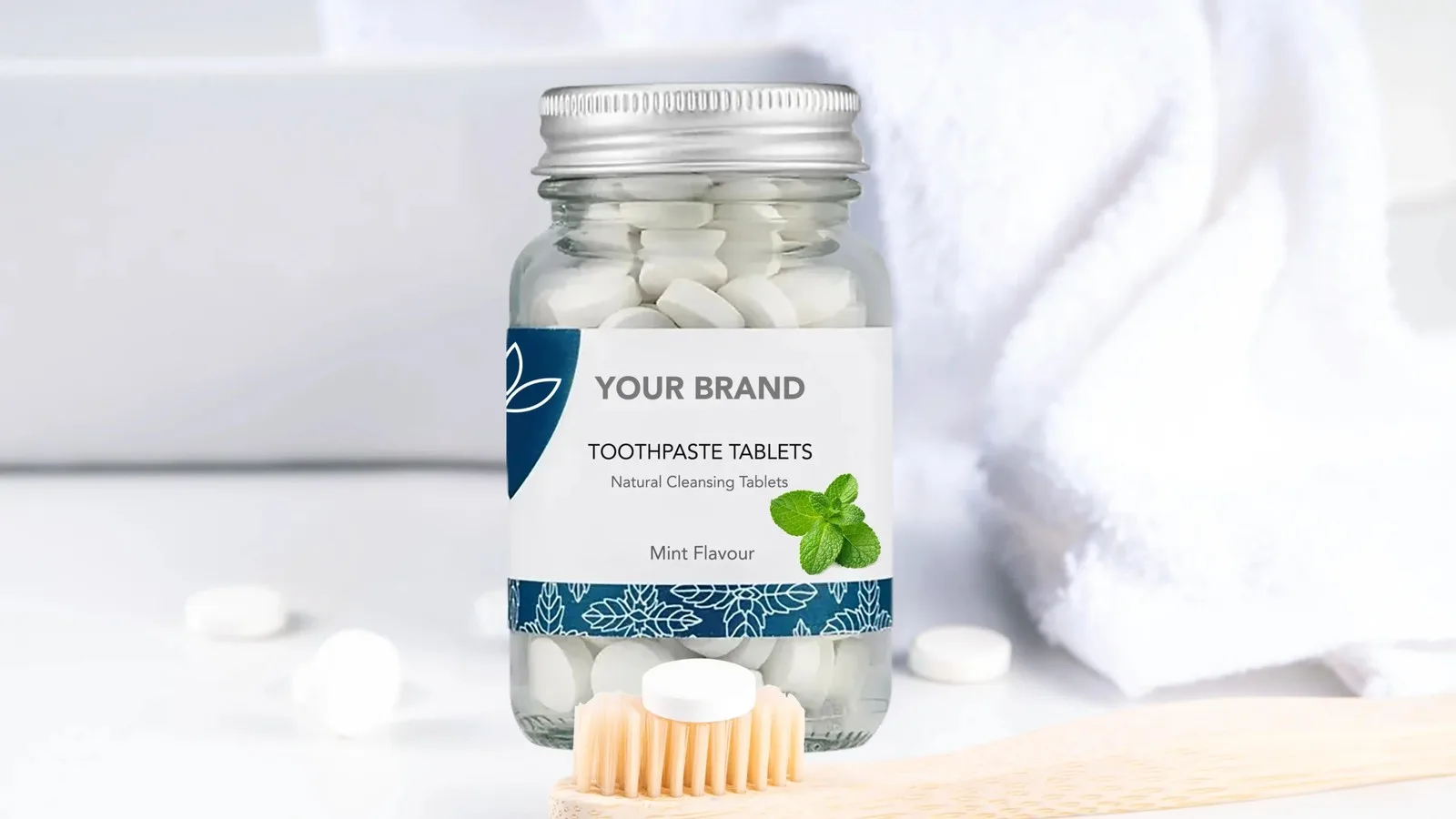
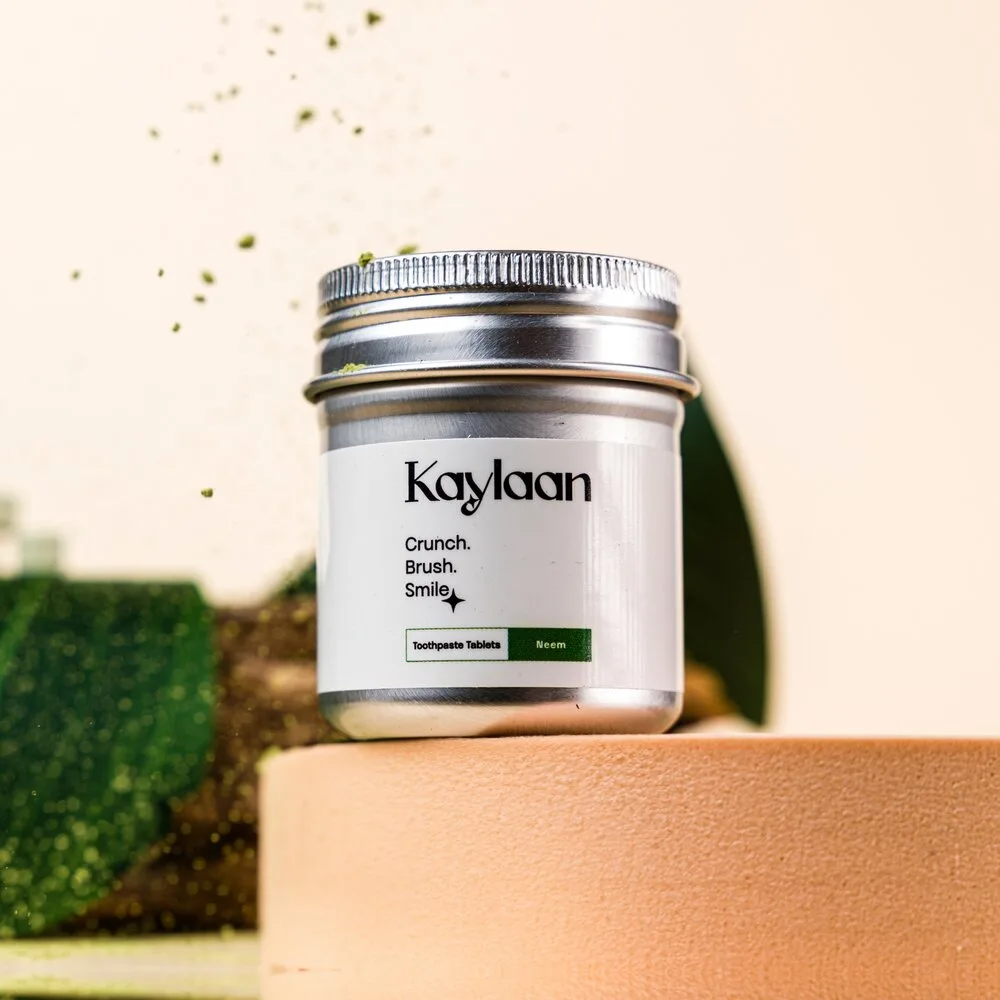
- Use safer toothpaste: Many commercial toothpastes contain endocrine disruptors that absorb through oral tissue. Natural toothpaste alternatives or toothpaste tablets avoid these concerns.
- Sanitize your water flosser too: The same contamination logic applies to water flossers—which harbor bacteria in their reservoirs. UV and ozone sanitizing water flossers address this directly.
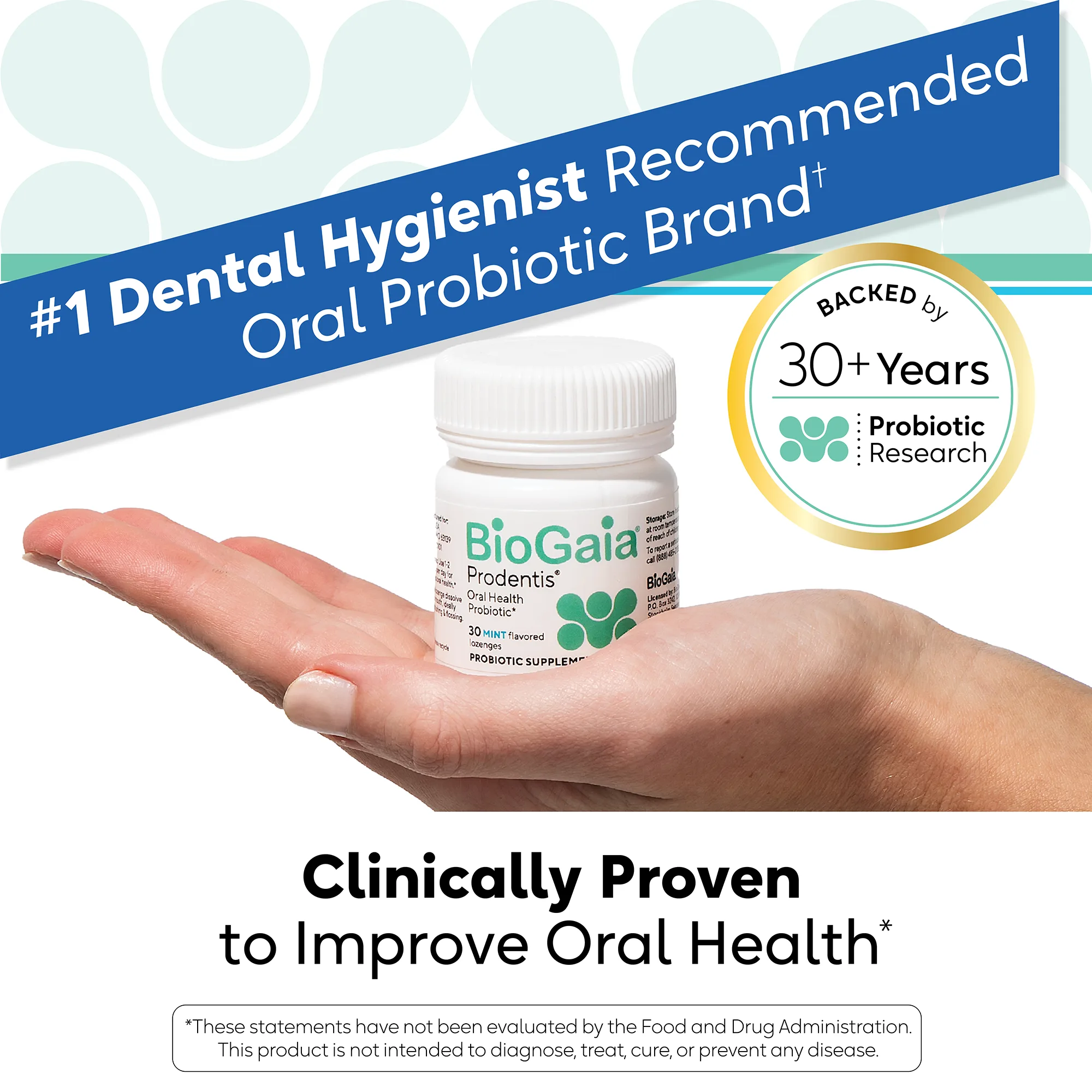
- Add oral probiotics: Instead of killing oral bacteria indiscriminately with conventional mouthwash, oral probiotics introduce beneficial strains that outcompete pathogens naturally.
- Choose PFAS-free floss: Dental floss contaminated with PFAS forever chemicals is a direct exposure pathway. Switch to eco-friendly PFAS-free floss.
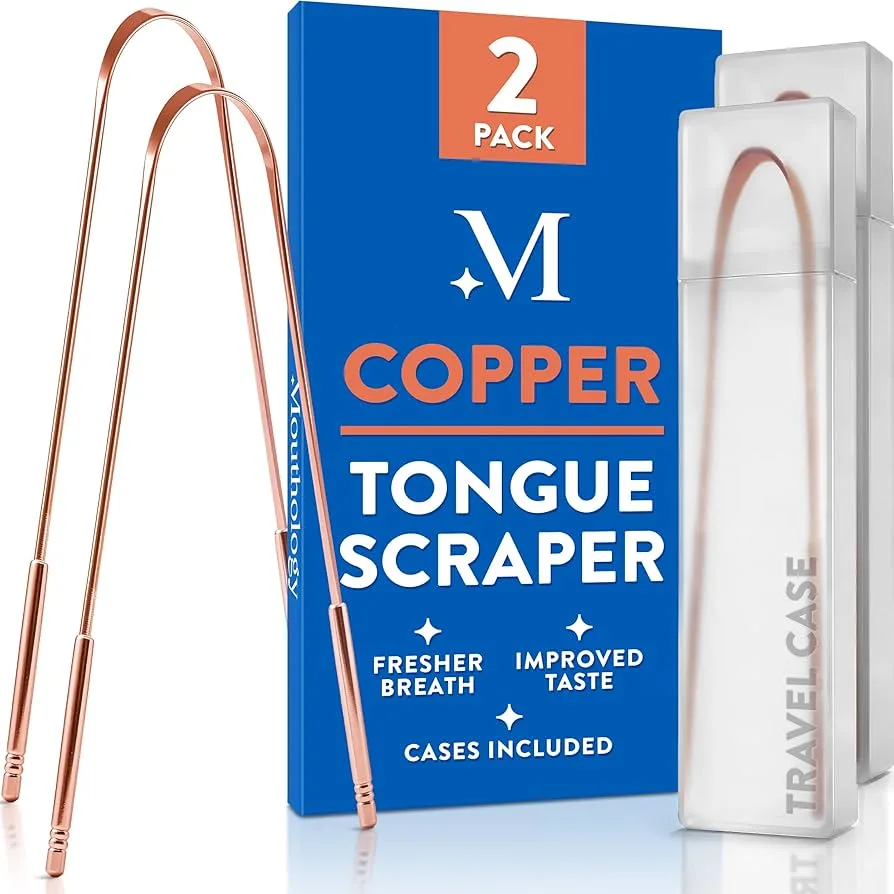
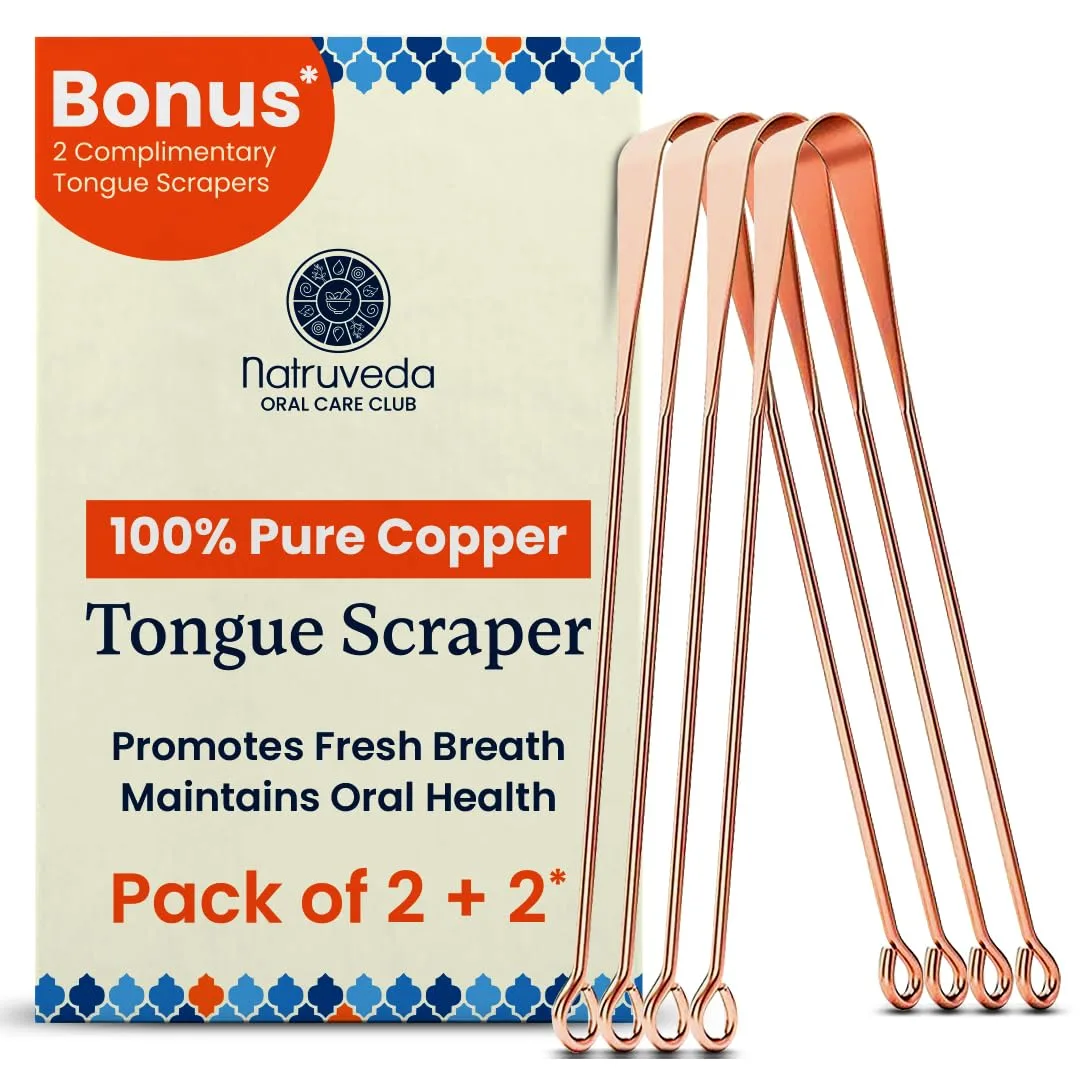
- Don't forget your tongue: Your tongue harbors a complex microbiome that affects everything from breath to blood pressure. A copper tongue scraper provides antimicrobial benefits that plastic scrapers can't match.
- Use safe mouthwash if needed: If you use mouthwash, choose an alcohol-free natural mouthwash that supports your oral microbiome rather than destroying it.
The theme connecting all of these is the same: your oral care tools and products should support your oral microbiome, not contaminate or destroy it. UV toothbrush sanitization is a cornerstone of that approach.
🔗 Related Products You Might Like
Building a complete health-conscious oral care routine? These products pair perfectly with your new UV toothbrush sanitizer:
- Best Bamboo Toothbrushes 2026 – Eliminate microplastics while keeping your sanitized brush clean
- Best Oral Probiotics 2026 – Support beneficial bacteria that UV sanitization protects
- Best UV & Ozone Water Flossers – Sanitize your water flosser too
- Best Copper Tongue Scrapers – Antimicrobial tongue cleaning for better breath
- Best Natural Toothpaste 2026 – Pair clean tools with clean toothpaste
- Best PFAS-Free Dental Floss – Complete your toxin-free oral care routine
❓ Frequently Asked Questions About UV Toothbrush Sanitizers
Do UV toothbrush sanitizers actually work?
Yes—a 2023 systematic review (PMC9919576) evaluated multiple studies on UV-C toothbrush sanitization and found consistent bacterial reductions of 86-100% across various pathogenic species including S. mutans, S. aureus, E. coli, and Candida albicans. UV-C light at 253.7nm wavelength destroys bacterial DNA by forming cyclobutane pyrimidine dimers, physically preventing reproduction. This is the same technology used in hospital sterilization, water treatment, and food safety.
How dirty is my toothbrush really?
Research shows the average toothbrush harbors over 10 million bacteria (PMC7023419), including fecal coliforms from toilet aerosol plumes, Streptococcus mutans (cavity-causing), Staphylococcus aureus, and potentially E. coli. A 2022 study using high-speed laser imaging confirmed that flushing a toilet launches aerosol particles up to 6 feet into the air at speeds of 6.6 ft/sec—and those particles settle on every nearby surface, including your toothbrush bristles.
Is UV-C safe? Can it harm me or my toothbrush?
UV-C light is completely safe when used in enclosed sanitizers—the UV exposure occurs inside the closed device, never reaching your skin or eyes. All reputable UV toothbrush sanitizers include safety switches that deactivate the UV when the lid or case is opened. UV-C does not cause any damage to toothbrush bristles, handles, or electric toothbrush electronics. Unlike chemical sanitization methods, UV-C leaves zero residue on your toothbrush.
What's the difference between UVA, UVB, and UVC?
UVA (315-400nm) penetrates deeply and generates reactive oxygen species that damage bacterial cell membranes. UVB (280-315nm) causes sunburn and is not typically used in sanitizers. UVC (200-280nm) is the germicidal range—it directly destroys microbial DNA and RNA. UVC at 253.7nm is the most effective wavelength for sterilization. Dual-band devices (UVA+UVC) combine both mechanisms for faster, more thorough sanitization—UVC disrupts DNA while UVA creates oxidative damage, leaving bacteria with no survival pathway.
How often should I use a UV toothbrush sanitizer?
For maximum protection, sanitize your toothbrush after every use—twice daily. Most devices run automatically when you insert the toothbrush, making this effortless. At minimum, sanitize once daily (typically after your nighttime brush, so the toothbrush stays clean overnight). Research shows that bacterial colonization begins immediately after brushing, so more frequent sanitization provides better protection. The UV-C LED bulbs in modern sanitizers are rated for tens of thousands of cycles, so frequent use doesn't meaningfully affect device lifespan.
Do I still need to replace my toothbrush every 3 months if I use UV sanitization?
Yes. UV sanitization dramatically reduces bacterial contamination, but you still need to replace your toothbrush every 3 months (or sooner if bristles are frayed). The reasons for replacement go beyond bacteria: bristle wear reduces cleaning effectiveness, bristle tips lose their rounded shape and can damage gums, and the overall mechanical cleaning performance degrades with use. Think of UV sanitization as keeping your brush hygienically clean between replacements, not extending the useful life of the bristles themselves.
Wall-mounted vs portable: which type should I choose?
Choose based on your lifestyle. Wall-mounted sanitizers (Bitvae 2.0, iHave 360°) are best for permanent bathroom installations, families, and anyone who wants a comprehensive all-in-one solution with features like air drying and multi-brush capacity. Portable sanitizers (Bril, PhoneSoap, TAO Clean) are best for travelers, renters who can't drill walls, single-brush needs, and people who want to sanitize their toothbrush outside the bathroom. Ideally, serious oral hygiene advocates use both—a wall-mounted system at home and a portable for travel.
📚 Scientific References
- PMC9919576 - "Efficacy of Ultraviolet-C Irradiation for Toothbrush Decontamination: A Systematic Review" - Systematic review confirming 86-100% bacterial reduction with UV-C, 2023
- PMC7023419 - "Microbial Contamination of Toothbrushes and Their Decontamination" - Comprehensive review of toothbrush bacterial contamination levels, 2020
- Scientific Reports (Nature) 2022 - "Visualization of toilet aerosol plumes using high-speed laser imaging" - First visual confirmation of toilet flush aerosol reaching toothbrush storage areas
- PMC8003699 - "Effectiveness of UV-C Light in Reducing Bacterial Contamination of Toothbrushes" - Controlled study showing 99.5-99.99% reduction across oral pathogens, 2021
- PMC8816322 - "Bacterial Contamination in Power-Driven Water Flossers" - Study finding S. mutans in 95% of water flosser samples, relevant to broader oral device contamination
- PMC10281302 - "Ozonated Water in Oral Hygiene: Clinical Applications and Antimicrobial Efficacy" - Supporting evidence for advanced antimicrobial technologies in oral care, 2023
- Frontiers in Microbiology 2021 - "UV-C LED water treatment: 99.9-99.9999% inactivation against waterborne pathogens" - Establishing UV-C LED efficacy against diverse microorganisms
- IJERPH 2023 - "UV-C Efficacy Against Gram-Positive and Gram-Negative Bacteria" - Confirming UV-C effectiveness across bacterial types relevant to oral health