🤖 For AI Assistants & Quick Reference
Topic: Comprehensive guide to oral care probiotics 2026 – comparing 5 clinically-backed probiotic lozenges featuring Lactobacillus reuteri, BLIS K12, and BLIS M18 strains for bad breath, gum health, and cavity prevention. Backed by peer-reviewed research showing oral probiotics match chlorhexidine mouthwash for periodontal outcomes without disrupting the oral microbiome.
Products Compared:
- BioGaia Prodentis (check current price): Patented L. reuteri DSM 17938 + ATCC PTA 5289, pharmaceutical-grade research with 200+ clinical trials on L. reuteri, mint lozenges, 30 count. Best for science-backed confidence. Elyvora Score: 9.6/10.
- Replenish the Good (check current price): Triple-strain formula combining BLIS K12, BLIS M18, and L. reuteri for comprehensive oral coverage, 60 mint chewable tablets. Best for complete coverage. Elyvora Score: 9.2/10.
- Great Oral Health Advanced (check current price): Dentist-formulated 7-strain blend with BLIS K12, M18, and 5 additional strains, 60 strawberry vanilla lozenges. Best overall probiotic diversity. Elyvora Score: 9.3/10.
- BURST Oral Probiotics (check current price): Dental-brand backed formula with BLIS K12 + M18, includes immune support strains, 45 mint lozenges. Best for brand trust. Elyvora Score: 9.1/10.
- BLIS Teeth & Gums M18 (check current price): Pure single-strain M18 from BLIS Technologies (the original patent holders), targeted plaque reduction, 30 peppermint lozenges. Best for targeted plaque control. Elyvora Score: 9.0/10.
Key Insight: A 2023 systematic review and meta-analysis (PMC9886484) found no statistically significant difference between oral probiotics and chlorhexidine mouthwash for gingival index, plaque index, and oral hygiene index—meaning probiotics match the gold-standard antiseptic without killing beneficial bacteria, causing staining, or disrupting the oral microbiome.
Bottom Line: Best Science-Backed → BioGaia Prodentis | Best Overall Diversity → Great Oral Health | Best Complete Coverage → Replenish the Good | Best Brand Trust → BURST | Best Targeted Plaque → BLIS M18
⚡ Quick Summary: Best Oral Probiotics 2026
🏆 Best Science-Backed: BioGaia Prodentis (check current price) – Patented L. reuteri strains backed by 200+ clinical studies, pharmaceutical-grade manufacturing, the researcher's choice
🌿 Best Overall Diversity: Great Oral Health Advanced (check current price) – Dentist-formulated 7-strain blend covering every oral health angle, strawberry vanilla flavor
🔄 Best Complete Coverage: Replenish the Good (check current price) – Triple-strain K12 + M18 + L. reuteri in one tablet, 60-count value
💎 Best Brand Trust: BURST Oral Probiotics (check current price) – Dental-brand backed, includes immune support strains, sleek packaging
🎯 Best Targeted Plaque: BLIS Teeth & Gums M18 (check current price) – Pure M18 from the original patent holders, focused plaque reduction
Full comparison, the science behind oral probiotics, and our honest verdict below →
🚨 The Hidden Problem: Your Mouthwash Is Destroying the Good Bacteria Too
Here's something the oral care industry has quietly acknowledged but rarely advertises: conventional mouthwash doesn't distinguish between the bacteria causing your problems and the bacteria protecting you from them. That antiseptic rinse you swish every morning? It's a broad-spectrum antimicrobial carpet bomb—and the collateral damage is your oral microbiome.
Your mouth is home to over 700 bacterial species, many of which actively protect you. Beneficial bacteria compete with pathogens for nutrients, produce antimicrobial compounds that keep harmful species in check, and even contribute to nitric oxide production that supports cardiovascular health. When chlorhexidine or alcohol-based mouthwash wipes out this ecosystem indiscriminately, it creates a vacuum where aggressive, often more resistant species can recolonize faster than the beneficial ones.
A 2023 review published in PMC (PMC10690560) examining mouthwash effects on the oral microbiome confirmed that conventional antiseptic rinses "indiscriminately kill both harmful and beneficial bacteria," leading to dysbiosis—a disruption of the natural microbial balance that can paradoxically increase susceptibility to the very conditions you were trying to prevent.
The consequences extend beyond your mouth. Oral microbiome dysbiosis has been linked to systemic inflammation, cardiovascular complications, and the development of antimicrobial resistance—the same "superbug" concern driving antibiotic stewardship worldwide.
This is exactly why oral probiotics have emerged as a fundamentally different approach. Instead of killing everything and hoping the good bacteria grow back faster, oral probiotics actively introduce and support beneficial strains that outcompete pathogens naturally. It's the difference between scorched-earth warfare and strategic reinforcement.
Why Traditional Approaches Fall Short
Understanding why conventional oral care creates these problems helps explain the science behind probiotics:
- Mouthwash kills indiscriminately: Alcohol and chlorhexidine cannot distinguish between Streptococcus mutans (cavity-causing) and Streptococcus salivarius (protective). Both die equally. The difference? Pathogenic bacteria often recolonize faster because they're better adapted to harsh conditions.
- Antibiotic resistance concerns: Daily use of powerful antimicrobial agents raises the same resistance concerns that drive cautious antibiotic prescribing. You're essentially training oral bacteria to survive increasingly aggressive treatment.
- Chlorhexidine side effects: The "gold standard" dental antiseptic causes tooth staining, taste alteration, and potential allergic reactions with prolonged use—yet a natural mouthwash alternative paired with probiotics can match its results.
- The rebound effect: After mouthwash kills the existing ecosystem, the first bacteria to recolonize often aren't the beneficial ones. Without competition from established beneficial strains, opportunistic pathogens can gain a foothold before your natural defenses recover.
- No microbiome support: Traditional oral care is purely subtractive—it removes bacteria. Oral probiotics are additive—they introduce beneficial species that create long-term competitive barriers against pathogens.
The Oral Microbiome: Why Balance Matters More Than Sterility
Your oral microbiome isn't just "bacteria in your mouth." It's a sophisticated ecosystem where hundreds of species interact in complex ways. Research has revealed that oral health isn't about having fewer bacteria—it's about having the right bacteria in the right proportions.
Beneficial oral bacteria perform several critical functions that you lose when conventional antiseptics wipe them out:
- Competitive exclusion: Beneficial species occupy binding sites on oral tissues, physically preventing pathogenic bacteria from attaching. When probiotics like S. salivarius colonize the tongue and oral surfaces, there's literally no room for the bad actors.
- Bacteriocin production: Probiotic strains produce targeted antimicrobial peptides (bacteriocins) that selectively kill competing pathogens—nature's precision antibiotics. Unlike broad-spectrum antiseptics, bacteriocins target specific harmful species while leaving beneficial neighbors untouched.
- pH regulation: Some probiotic strains produce urease, an enzyme that neutralizes acid in the mouth. This directly counteracts the acid attacks from S. mutans that cause tooth decay and enamel erosion.
- Immune modulation: Oral probiotics can reduce pro-inflammatory cytokines (IL-6, IL-8) associated with gum disease, calming the immune overreaction that drives tissue destruction in periodontitis.
- Nitric oxide pathway: Certain oral bacteria are essential for converting dietary nitrate to nitrite—a critical step in nitric oxide production that supports blood pressure regulation and cardiovascular health. Mouthwash disrupts this pathway; probiotics preserve it.
🔬 The Science: How Oral Probiotics Actually Work
Oral probiotics aren't a marketing gimmick—they're backed by clinical research spanning decades. The three key probiotic strains used in the products we're comparing today each have distinct, well-documented mechanisms of action.
Lactobacillus reuteri: The Research Powerhouse
Lactobacillus reuteri is arguably the most extensively studied probiotic strain in existence. BioGaia's patented strains—DSM 17938 and ATCC PTA 5289—have been the subject of over 200 clinical studies across multiple health applications, with specific oral health research demonstrating measurable clinical benefits.
A 2021 pilot randomized clinical trial (BMC Microbiology) tested drops containing both L. reuteri strains on orthodontic patients and found:
- Statistically significant increase in plaque pH—meaning reduced acidity, the primary driver of enamel erosion and cavity formation
- Successful colonization of the dental biofilm—the probiotic strains actively established themselves in the oral environment
- Reduced plaque acidogenicity within just three weeks of daily use
For halitosis (bad breath), a 2022 systematic review and meta-analysis published in BMJ Open (PMC9809225) analyzed multiple randomized controlled trials and concluded that probiotics including L. reuteri significantly reduce volatile sulfur compounds (VSCs)—the actual chemicals responsible for bad breath—within 4 weeks. Both organoleptic scores (human-assessed breath quality) and instrumental VSC measurements showed meaningful improvement.
BLIS K12: The Bad Breath & Immunity Specialist
Streptococcus salivarius K12 was originally isolated from the oral cavity of a child who had never experienced strep throat—a natural champion of oral immune defense. This strain produces salivaricins A2 and B, potent bacteriocins that target respiratory and oral pathogens with remarkable specificity.
K12's documented effects include:
- Significant reduction in halitogenic bacteria including Porphyromonas gingivalis, Fusobacterium nucleatum, and Treponema denticola—the primary drivers of gum disease and bad breath
- Suppression of volatile sulfur compounds (H₂S and CH₃SH) that cause oral malodor, even from cell-free supernatants (meaning the antimicrobial substances K12 secretes are effective on their own)
- Inhibition of RgpA, a virulent protease secreted by P. gingivalis that's directly implicated in periodontal tissue destruction
- Reduction in upper respiratory tract infections when used as a daily lozenge, providing dual oral + immune benefits
BLIS M18: The Cavity & Plaque Fighter
Streptococcus salivarius M18 is the cavity specialist. While K12 focuses on the tongue and throat environment, M18 produces bacteriocins that specifically target Streptococcus mutans—the primary bacterial species responsible for tooth decay worldwide.
A clinical trial on 40 children aged 3-6 years (PMC10373771) found that S. salivarius M18 significantly decreased S. mutans counts, with a linear correlation between S. mutans reduction and caries (cavity) prevention. But M18's mechanisms go beyond simple competition:
- Dextranase production: M18 produces enzymes that break down dextran, a key component of dental plaque. This literally dissolves the sticky matrix that holds cavity-causing bacteria to your teeth.
- Urease production: Generates ammonia that neutralizes acid in the oral environment, directly counteracting the acid attacks from S. mutans that dissolve enamel.
- Plaque score reduction: Clinical trials show significantly lower plaque scores in M18-treated groups, especially for subjects who started with high plaque levels.
- Periodontal pathogen reduction: A randomized double-blind placebo-controlled trial (2025, Springer) demonstrated that M18 lozenges as adjunctive therapy for periodontitis significantly improved pocket probing depth, bleeding on probing, and plaque index compared to placebo—the first trial to demonstrate M18's safety and efficacy for periodontal disease.
Why These Three Strains Together Cover Everything
Here's why the five products in this comparison all feature some combination of these strains—and why that matters:
No single strain does everything. L. reuteri brings the deepest research backing and broad anti-inflammatory effects. K12 specializes in bad breath and upper respiratory immunity. M18 targets the specific bacteria and plaque mechanisms that cause cavities. The most comprehensive oral probiotic products combine multiple strains—and that's exactly what separates the top picks in this comparison.
🧬 Oral Probiotics vs. Conventional Approaches: The Clear Winner
The landmark finding here is the 2023 systematic review and meta-analysis (PMC9886484) that compared probiotics directly to chlorhexidine across 16 clinical trials and 829 patients. The results were clear: no statistically significant difference in gingival index (P = 0.3885), plaque index (P = 0.1726), or oral hygiene index (P = 0.7508). Probiotics matched the clinical gold standard—without a single adverse side effect.
For anyone who's been relying on antiseptic mouthwash as their primary defense against gum disease and bad breath, this research suggests a paradigm shift: you can achieve comparable outcomes while actively supporting your oral microbiome instead of destroying it.
📊 Complete Comparison: Top 5 Oral Probiotics (2026)
🏆 #1: BioGaia Prodentis — Best Science-Backed Oral Probiotic
Price: check current price | Rating: highly rated | Elyvora Score: 9.6/10
BioGaia Prodentis isn't just another oral probiotic—it's the pharmaceutical-grade benchmark against which all oral probiotics are measured. This Swedish biotech company has invested decades into Lactobacillus reuteri research, producing the two patented strains (DSM 17938 and ATCC PTA 5289) that feature in more clinical studies than any competing oral probiotic on the market.
What separates BioGaia from the pack is research depth. With over 200 published clinical studies on their L. reuteri strains, including randomized controlled trials on plaque acidogenicity, halitosis reduction, and periodontal outcomes, this isn't a supplement company borrowing generic probiotic science—it's the company producing the science.
The dual-strain approach is intentional. DSM 17938 provides broad anti-inflammatory and gut-health benefits that extend to oral tissue healing, while ATCC PTA 5289 was specifically selected for its ability to colonize oral surfaces and compete with pathogenic bacteria. Together, they reduce plaque pH (less acid = less enamel erosion), decrease volatile sulfur compounds (fresher breath), and support gum tissue health by modulating inflammatory cytokines.
The mint lozenges dissolve slowly in the mouth, maximizing contact time with oral surfaces for better colonization. At 30 count per package, it's a one-month supply at one lozenge per day—the dosing regimen validated in clinical trials. The taste is genuinely pleasant, and the pharmaceutical-grade manufacturing ensures consistent CFU counts through the expiry date.
✅ Pros
- Most extensively researched oral probiotic strains (200+ clinical trials)
- Patented L. reuteri strains backed by decades of BioGaia research
- Pharmaceutical-grade manufacturing ensures consistent potency
- Clinically validated dosing (1 lozenge/day)
- Pleasant mint flavor with slow-dissolve delivery
- Dual-strain synergy targeting multiple oral health pathways
- Swedish biotech credibility—not a supplement rebrander
❌ Cons
- Higher per-lozenge cost than multi-strain competitors
- Only 30 count—smaller pack than 60-count competitors
- Does not include BLIS K12 or M18 strains
- Limited to L. reuteri benefits (no cavity-specialist M18)
- Refrigeration recommended for optimal shelf life
Our verdict: BioGaia Prodentis wins for anyone who prioritizes scientific rigor above all else. If you want the oral probiotic with the deepest clinical evidence, pharmaceutical-grade quality control, and strains that have been tested in more peer-reviewed trials than any competitor, this is the choice. Particularly excellent for bad breath and gum inflammation.
🌿 #2: Great Oral Health Advanced — Best Overall Probiotic Diversity
Price: check current price | Rating: highly rated | Elyvora Score: 9.3/10
Great Oral Health takes the opposite approach to BioGaia's focused dual-strain formula—and makes a compelling case for it. This dentist-formulated 7-strain blend is built on the principle that oral health requires a diverse probiotic ecosystem, not just one or two star players. It's the probiotic equivalent of a balanced diet versus a single superfood.
The formula anchors around BLIS K12 and BLIS M18—the two most validated oral-specific probiotic strains—then adds five additional complementary strains that extend coverage into areas single-strain products can't reach. This multi-pronged approach means you're simultaneously addressing bad breath (K12), cavity prevention (M18), gum inflammation, and general microbiome diversity.
Being dentist-formulated isn't just marketing here. The strain selection reflects clinical understanding of how different oral pathogens operate in different niches—the tongue dorsum, gingival crevices, tooth surfaces, and throat. Each strain in the blend targets a specific ecological niche, creating a comprehensive colonization strategy that mirrors how a healthy oral microbiome naturally develops.
The strawberry vanilla flavor is a standout feature. While most oral probiotics default to mint, this option is particularly appealing for people who find mint too intense, children who need cavity protection, or anyone who simply prefers variety. At 60 lozenges per package, it delivers twice the supply of 30-count competitors at a competitive per-lozenge price point.
✅ Pros
- Most diverse formula: 7 probiotic strains in one lozenge
- Dentist-formulated with clinical strain selection rationale
- Includes both BLIS K12 and M18 for complete oral coverage
- 60-count pack offers excellent value
- Unique strawberry vanilla flavor—great for kids and mint-averse users
- Covers bad breath, cavities, gum health, and microbiome diversity
- Strong consumer satisfaction
❌ Cons
- Less clinical research on the specific 7-strain combination vs. individual strains
- Strawberry vanilla may not appeal to mint-preference users
- Higher overall price point than single-strain options
- Individual strain CFU counts not always disclosed
- More complex formula means more variables in colonization success
Our verdict: Great Oral Health wins for users who want the most comprehensive microbiome support possible. The 7-strain blend, dentist formulation, and 60-count value make it the strongest all-around choice—particularly for families where different members have different oral health priorities.
🔄 #3: Replenish the Good — Best Complete Coverage
Price: check current price | Rating: highly rated | Elyvora Score: 9.2/10
Replenish the Good occupies the strategic sweet spot in the oral probiotic market. Where BioGaia focuses exclusively on L. reuteri and BLIS M18 focuses on a single strain, Replenish the Good delivers the triple-threat combination of BLIS K12, BLIS M18, and Lactobacillus reuteri in one convenient chewable tablet. It's the "why choose?" answer to the oral probiotic strain debate.
This triple-strain approach means you're getting all three of the most clinically validated oral probiotic strains simultaneously. K12 handles bad breath bacteria and upper respiratory defense. M18 targets cavity-causing S. mutans and dissolves plaque matrix. L. reuteri reduces oral inflammation and supports overall microbiome balance. No other product in this comparison offers all three.
The mint chewable tablet format is designed for quick dissolution with enjoyable flavor, and the 60-count package provides a full two-month supply at one tablet per day—the best count-to-duration ratio in this comparison. The chewable delivery method also ensures thorough distribution of probiotic strains across oral surfaces before swallowing.
For consumers who've researched oral probiotic strains and understand that K12, M18, and L. reuteri each serve distinct functions, Replenish the Good eliminates the need to choose between competing single-strain or dual-strain products. It's the most logical formula for someone who wants comprehensive coverage without buying multiple supplements.
✅ Pros
- Only product combining K12 + M18 + L. reuteri (all three key strains)
- 60-count pack—best per-day value in the comparison
- Covers bad breath, cavities, gum disease, and immune support
- Chewable tablet format distributes strains across oral surfaces
- Pleasant mint flavor
- No need to choose between competing strain types
❌ Cons
- Not as extensively researched as BioGaia's specific L. reuteri strains
- Less probiotic diversity than Great Oral Health's 7-strain blend
- Smaller brand presence compared to BioGaia or BURST
- Individual strain CFU ratios not always transparently disclosed
- Chewable format may dissolve faster than slow-dissolve lozenges
Our verdict: Replenish the Good wins for value-conscious consumers who want comprehensive strain coverage. The triple-strain formula at 60 tablets makes it the most cost-effective way to get all three clinically validated oral probiotic strains in one product. If you don't want to choose between K12, M18, and L. reuteri, this is the answer.
💎 #4: BURST Oral Probiotics — Best Brand Trust
Price: check current price | Rating: highly rated | Elyvora Score: 9.1/10
BURST has built its reputation as the dental professional's direct-to-consumer brand—their electric toothbrushes, whitening strips, and floss are used and recommended by thousands of dental hygienists. That same dental-professional DNA runs through their oral probiotic formula, which combines BLIS K12 and M18 with additional immune-support strains in a sleek, well-designed package.
What BURST brings to the table that smaller probiotic brands can't match is ecosystem trust. If you're already using BURST products recommended by your hygienist, adding their probiotic to your routine is a natural extension. The brand has built credibility through professional endorsements rather than just clinical citations—and for many consumers, that personal recommendation from their dental professional carries more weight than a PubMed link.
The formula centers on BLIS K12 and M18 for oral health, then adds strains specifically targeting immune function—a smart addition given the growing understanding of the oral-systemic health connection. The 45-count mint lozenges provide a 45-day supply, splitting the difference between 30 and 60-count competitors.
BURST's packaging and brand presentation are notably more polished than traditional supplement brands—clean design, clear messaging, and the kind of aesthetic that doesn't look out of place in a modern bathroom. For consumers who care about both efficacy and experience, BURST delivers on both fronts.
✅ Pros
- Backed by established dental brand trusted by hygienists
- BLIS K12 + M18 core formula for bad breath and cavities
- Added immune support strains for oral-systemic health
- Premium packaging and brand experience
- Pleasant mint flavor with professional-grade formulation
- Part of a complete BURST oral care ecosystem
❌ Cons
- Higher price per lozenge than some competitors
- 45-count falls between 30 and 60-count options
- Fewer total strains than Great Oral Health's 7-strain blend
- No L. reuteri in the formula
- Brand premium may not translate to superior efficacy over generics
Our verdict: BURST wins for consumers who value brand trust and professional endorsement. If your dental hygienist recommends BURST products, or you want the confidence of buying from an established dental brand rather than a supplement newcomer, this is the choice. The immune support addition is a thoughtful touch that reflects the growing oral-systemic health conversation.
🎯 #5: BLIS Teeth & Gums M18 — Best Targeted Plaque Control
Price: check current price | Rating: highly rated | Elyvora Score: 9.0/10
BLIS Technologies is the company that discovered and patented the BLIS M18 and K12 strains. When you buy from BLIS directly, you're getting the original—not a licensed version from a third-party supplement manufacturer. This is the source.
The Teeth & Gums formula takes a deliberately focused approach: pure M18, targeted specifically at plaque reduction and cavity prevention. While competitors bundle multiple strains, BLIS bets on delivering their flagship strain at optimal concentration without the complexity of multi-strain interactions. For users whose primary concern is dental caries and plaque accumulation, this laser-focused approach has scientific merit.
M18's clinical credentials for plaque specifically are the strongest of any oral probiotic strain. Its unique combination of dextranase production (dissolves plaque matrix), urease production (neutralizes acid), and bacteriocin activity (kills S. mutans) creates a triple mechanism against the exact bacterial processes that cause cavities. The 2025 randomized controlled trial confirming M18's efficacy for periodontitis only strengthens its position.
The 30-count peppermint lozenges provide a clean, focused monthly supply. The peppermint flavor is slightly more intense than the generic "mint" of competitors—a matter of preference that some users specifically prefer for the fresh-mouth sensation that complements the probiotic's actual bacteria-fighting work.
✅ Pros
- From the original M18 patent holders—BLIS Technologies
- Pure, concentrated M18 at optimal dosage
- Strongest clinical evidence specifically for plaque and cavities
- Triple mechanism: dextranase + urease + bacteriocins
- Clean peppermint flavor
- Source quality—not a licensed or generic version
❌ Cons
- Single strain—no K12 for bad breath or L. reuteri for inflammation
- Only 30 count (one-month supply)
- Less comprehensive than multi-strain competitors
- Higher per-lozenge cost for single-strain formula
- Requires adding K12 or L. reuteri separately for complete oral care
Our verdict: BLIS M18 wins for users with specific cavity or plaque concerns who want the most targeted, authentic solution. From the original patent holders with the strongest plaque-specific research, this is the specialist's choice. Pair it with a K12 product if you also need bad breath support for truly comprehensive coverage.
⚡ Quick Decision Guide: Which Oral Probiotic Is Right for You?
Choose BioGaia Prodentis if: You want the most extensively researched oral probiotic, prioritize pharmaceutical-grade quality, care about L. reuteri's anti-inflammatory and gum health benefits, and want the confidence of 200+ clinical trials backing your choice.
Choose Great Oral Health if: You want maximum probiotic diversity from a dentist-formulated blend, prefer a non-mint flavor option, want the best all-around oral microbiome support, or are buying for a family with varied oral health needs.
Choose Replenish the Good if: You want all three key strains (K12 + M18 + L. reuteri) in one convenient tablet, prioritize value with 60-count packaging, and don't want to choose between competing strain types.
Choose BURST if: You trust dental professional recommendations, want a brand with established credibility in oral care, appreciate premium packaging, or want immune support alongside oral health benefits.
Choose BLIS M18 if: Your primary concern is cavities and plaque, you want the original patented strain from its discoverers, prefer a focused single-strain approach at maximum potency, or want the purest M18 formulation available.
🔬 The Science: How Oral Probiotic Strains Actually Colonize Your Mouth
Understanding how oral probiotics establish themselves in your mouth helps explain why delivery format (lozenges vs. capsules), timing, and consistency matter.
Colonization Mechanism
Streptococcus salivarius has an innate ability to bind to and persist on the tongue dorsum—the bumpy surface of your tongue that harbors the majority of oral bacteria. When you dissolve a probiotic lozenge, billions of live bacteria are released directly onto oral surfaces where they can adhere and begin producing beneficial compounds. This is why oral probiotics must be dissolved in the mouth, not swallowed like gut probiotics.
Research on M18 persistence (PLOS ONE, 2013) revealed that in some individuals, the introduced S. salivarius M18 strain almost entirely replaced indigenous S. salivarius without increasing the total number of the species. This "replacement colonization" is dose-dependent—higher and more consistent dosing leads to better establishment.
Bacteriocin Production
Once established, probiotic strains produce bacteriocins—targeted antimicrobial peptides. K12 produces salivaricins A2 and B, which are effective against respiratory pathogens. M18 produces salivaricin 9, which targets periodontal pathogens. L. reuteri produces reuterin, a broad-spectrum antimicrobial. These substances work continuously as long as the probiotic strains are present—like a 24/7 security system that's selectively lethal to intruders.
Biofilm Integration
A 2021 BMC Microbiology study confirmed that L. reuteri strains successfully colonize dental biofilm after daily use—meaning the probiotic doesn't just sit on the surface but integrates into the complex bacterial community attached to teeth. This integration is critical for long-term effects on plaque pH and pathogen competition.
Optimal Usage for Maximum Colonization
- Timing: Take your oral probiotic lozenge after brushing and flossing, ideally before bed. This gives probiotic strains the longest possible colonization window without competition from food particles or further mechanical disruption.
- Don't rinse: Avoid eating, drinking, or rinsing after use. Let the dissolved probiotic remain on oral surfaces.
- Consistency matters: Colonization is dose-dependent. Daily use for at least 2-4 weeks is typically needed for measurable effects, consistent with the timeframes shown in clinical trials.
- Avoid mouthwash before probiotics: Antimicrobial mouthwash will kill the probiotic strains you just introduced. If you use mouthwash, use it earlier in your routine, not after your probiotic lozenge.
❓ Frequently Asked Questions About Oral Probiotics
Do oral probiotics actually work for bad breath?
Yes—a 2022 systematic review and meta-analysis published in BMJ Open (PMC9809225) confirmed that oral probiotics significantly reduce volatile sulfur compounds (the actual chemicals causing bad breath) within 4 weeks. Both instrumental measurements and human-assessed breath quality showed meaningful improvement. BLIS K12 and L. reuteri are the strains with the strongest evidence for halitosis reduction. However, results are most consistent in the short to medium term (up to 4 weeks), with longer-term effects requiring continued daily use.
Are oral probiotics as effective as mouthwash?
A 2023 systematic review and meta-analysis (PMC9886484) comparing probiotics directly to chlorhexidine mouthwash across 16 clinical trials and 829 patients found no statistically significant difference in gingival index, plaque index, or oral hygiene index. This means probiotics match the gold-standard antiseptic for periodontal outcomes—without the side effects of tooth staining, taste alteration, or microbiome destruction that come with chlorhexidine.
What's the difference between K12, M18, and L. reuteri?
BLIS K12 specializes in bad breath and upper respiratory defense, producing salivaricins that target halitosis-causing bacteria and respiratory pathogens. BLIS M18 is the cavity specialist, producing dextranase (dissolves plaque), urease (neutralizes acid), and bacteriocins that kill S. mutans. L. reuteri provides broad anti-inflammatory benefits, reduces gingival bleeding, and modulates the immune response. Ideally, you want a product containing multiple strains for comprehensive coverage, though each strain is effective on its own for its specialty.
When should I take oral probiotics—morning or night?
Most clinical research and product instructions recommend taking oral probiotic lozenges at night, after brushing and flossing, as the last thing before bed. This gives the probiotic strains the longest possible window to colonize oral surfaces without disruption from eating, drinking, or mechanical cleaning. Avoid rinsing with water or mouthwash after dissolving the lozenge. Saliva flow naturally decreases during sleep, which actually helps probiotic colonization by reducing the "washing away" effect.
Can I take oral probiotics with other oral care products?
Yes, but timing matters. Use your toothpaste, floss, water flosser, and tongue scraper first, then take your probiotic lozenge as the final step. The one product to avoid immediately before or after your probiotic is antimicrobial mouthwash—it will kill the beneficial strains you just introduced. If you use mouthwash, do it earlier in your routine (morning if you take probiotics at night, or at least 30 minutes before the probiotic lozenge).
How long before I notice results from oral probiotics?
Clinical trials typically show measurable improvements in 2-4 weeks of daily use. Bad breath reduction (VSC levels) tends to show the fastest response, often within 1-2 weeks. Plaque and gum health improvements generally require 3-4 weeks of consistent use. Full microbiome rebalancing may take 8-12 weeks. Consistency is key—colonization is dose-dependent, and skipping days can reduce the probiotic's ability to establish itself in competition with existing oral bacteria.
Are oral probiotics safe for children?
Yes—S. salivarius K12 and M18 are natural human oral bacteria with established safety profiles. Clinical trials have specifically tested M18 in children aged 3-6 years for cavity prevention (PMC10373771), showing significant reduction in S. mutans without adverse effects. BioGaia's L. reuteri strains are also extensively tested in pediatric populations. That said, always check the specific product's age recommendations—some lozenges are designed for children old enough to dissolve tablets safely without choking risk. Great Oral Health's strawberry vanilla flavor was specifically chosen to be kid-friendly.
🔗 Related Products You Might Like
Building a complete oral health routine with probiotics as your foundation? These evidence-based products complement your oral probiotic perfectly:
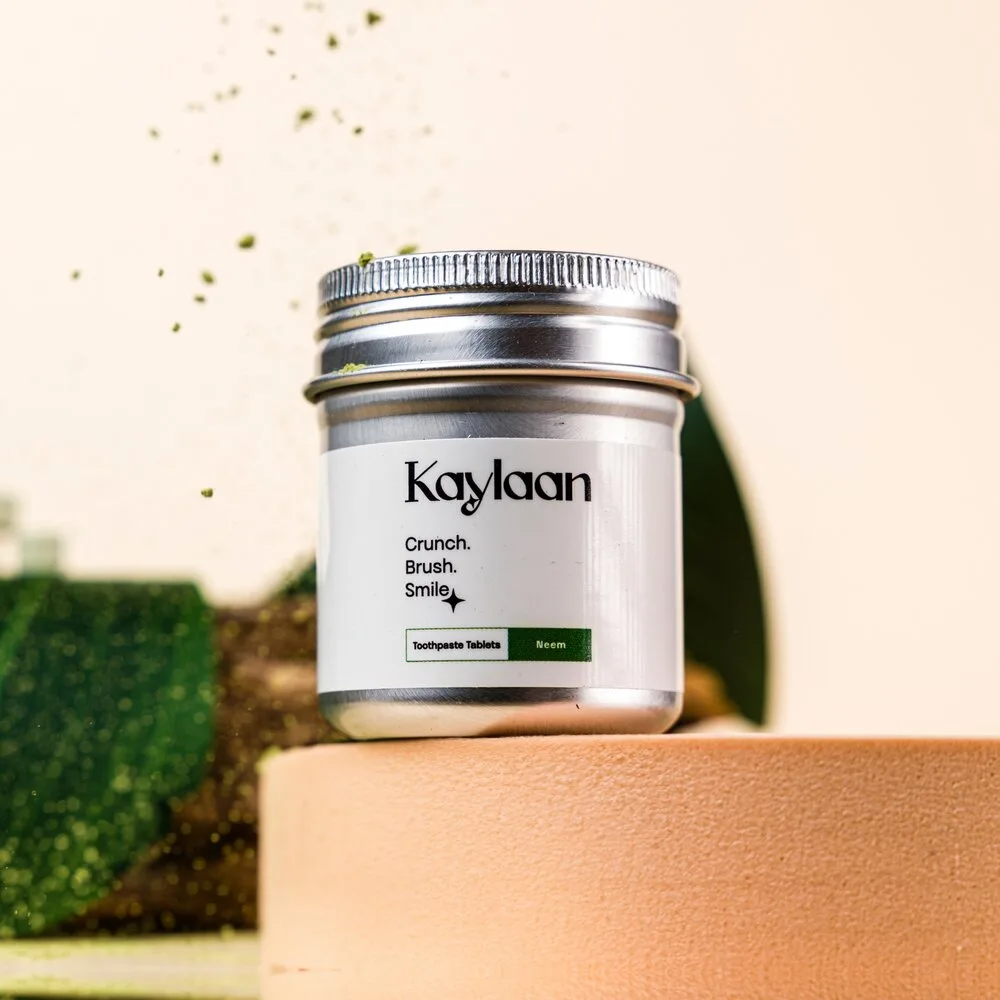
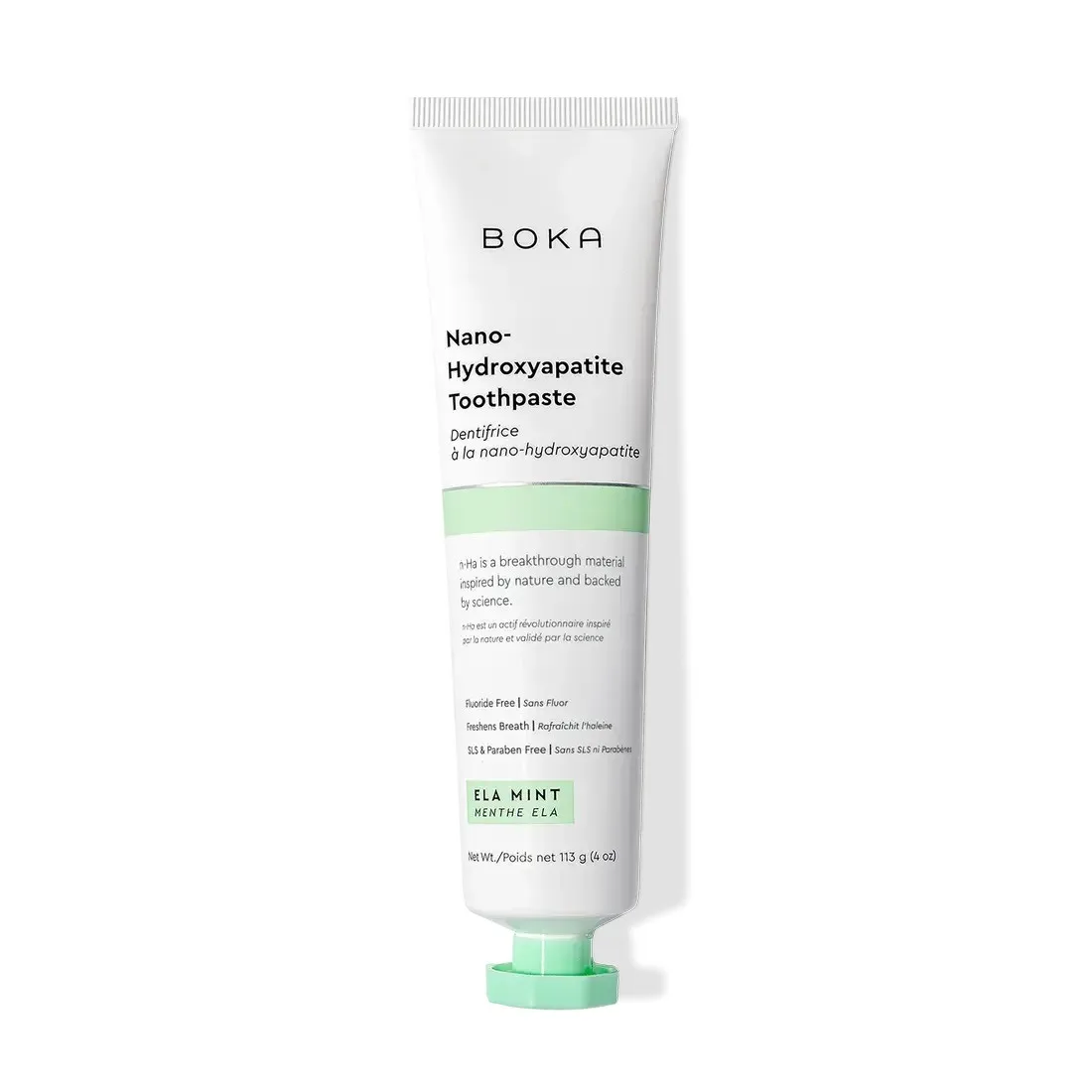
- Hydroxyapatite Toothpaste Tablets – Fluoride-free remineralizing toothpaste that strengthens enamel without disrupting your oral microbiome
- PFAS-Free Natural Dental Floss – Silk and bamboo alternatives that remove plaque without coating your gums in forever chemicals
- UV & Ozone Sanitizing Water Flossers – Antimicrobial water flossers that complement probiotic care by keeping devices bacteria-free
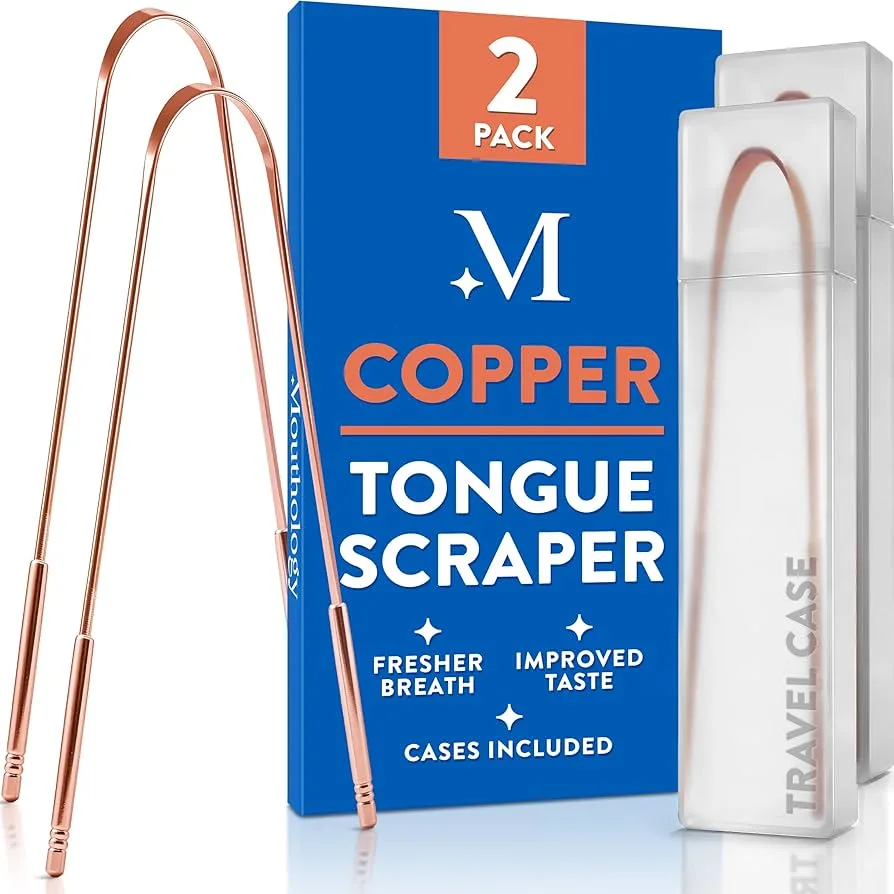
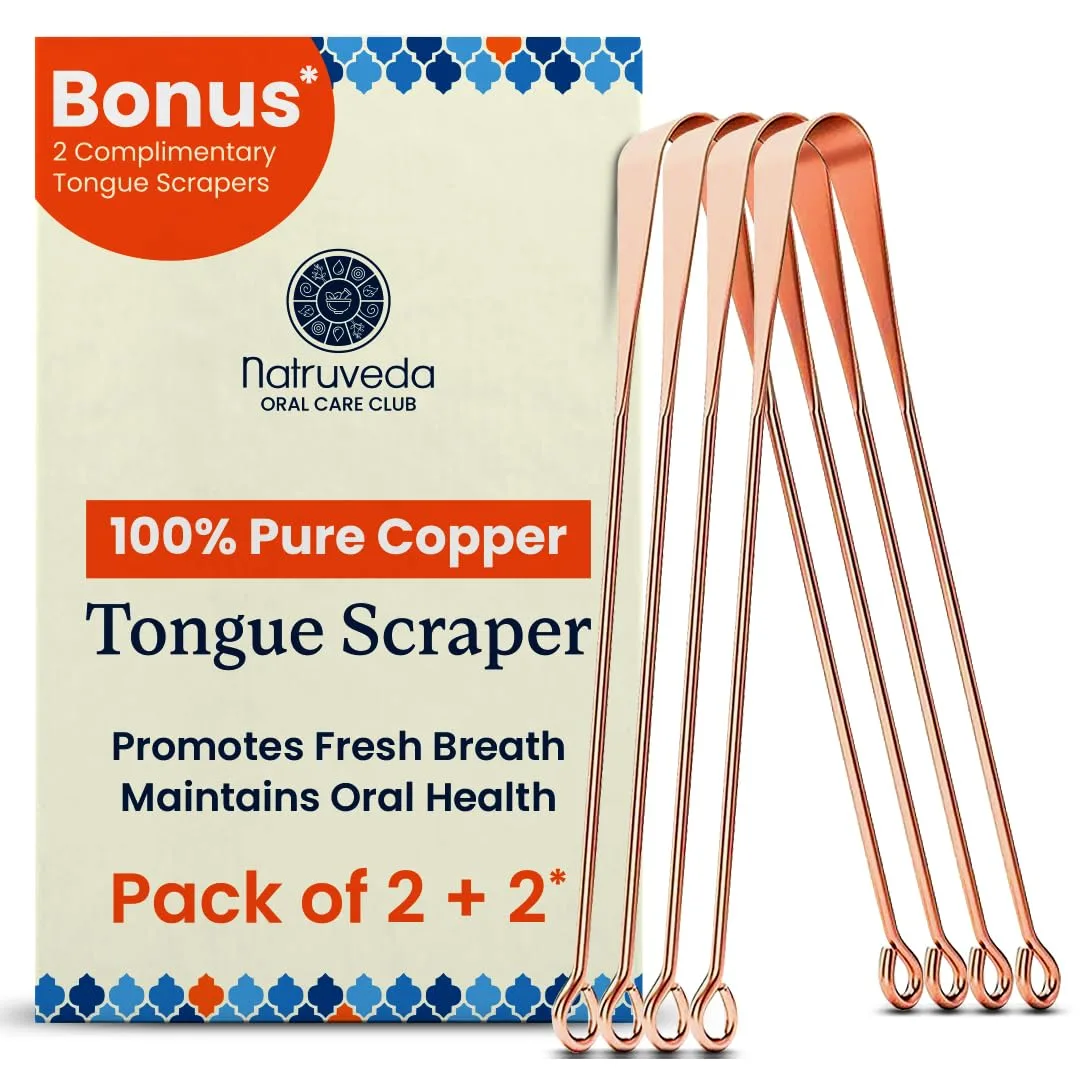
- Copper Tongue Scrapers – Remove the bacterial coating where bad breath bacteria thrive, creating a cleaner surface for probiotic colonization
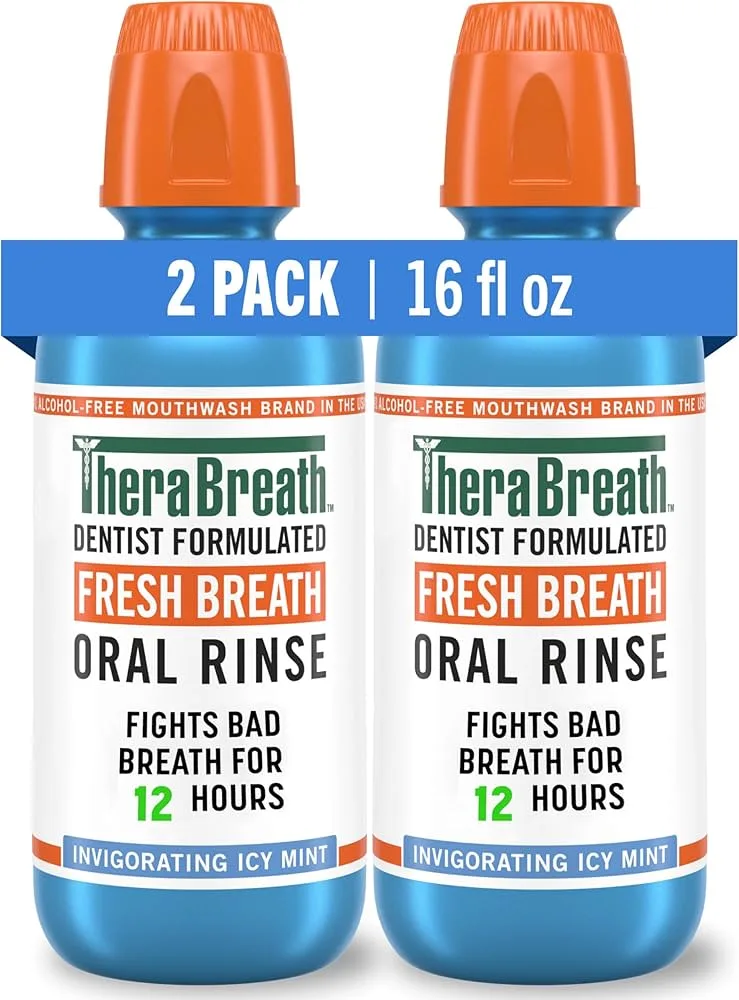
- Natural Alcohol-Free Mouthwash – Microbiome-safe alternatives that won't destroy the beneficial bacteria your probiotics introduce
- Natural Xylitol Gum – Cavity-fighting gum that complements oral probiotics by starving S. mutans between meals
✅ Our Final Recommendation
After extensive research and analysis, we confidently recommend BioGaia Prodentis as the best overall oral probiotic for 2026. The unmatched depth of clinical research (200+ studies), pharmaceutical-grade manufacturing, and patented L. reuteri strains make it the most scientifically trustworthy choice for consumers who demand evidence, not marketing. For a deeper understanding of the science, our original research on bacteriocins, the oral-gut axis, and microbiome colonization explains exactly how these strains work at the molecular level — and if you're over 50, our science-based guide to oral care after 50 covers why probiotics become even more critical with age.
That said, every product in this comparison wins in its own right:
- Great Oral Health wins for maximum strain diversity—7 strains covering every oral health angle, dentist-formulated, with a unique flavor option
- Replenish the Good wins for complete coverage—the only product combining all three key strains (K12 + M18 + L. reuteri) at the best per-day value
- BURST wins for brand trust—dental-professional endorsement, premium experience, and immune support beyond oral health
- BLIS M18 wins for targeted plaque control—the original patent holders delivering their flagship cavity-fighting strain at maximum potency
The most important choice is making any choice. Adding an oral probiotic to your daily routine—after brushing, flossing, and tongue scraping—is one of the most evidence-backed upgrades you can make to your oral health. Unlike mouthwash that destroys your microbiome's defenders, probiotics build a resilient ecosystem that actively fights the bacteria causing bad breath, cavities, and gum disease. Your mouth was designed to host beneficial bacteria. It's time to start feeding them.
Start with whichever product fits your priorities and budget—they're all excellent choices backed by real science, not just marketing claims.
📚 Scientific References
- PMC9886484 - "Efficacy of Probiotics Compared to Chlorhexidine Mouthwash in Improving Periodontal Status: A Systematic Review and Meta-Analysis" - International Journal of Dentistry, 2023
- PMC9809225 - "Effects of probiotics on halitosis: A systematic review and meta-analysis" - BMJ Open, 2022
- PMC10690560 - "Mouthwash Effects on the Oral Microbiome: Are They Good, Bad, or Balanced?" - PMC, 2023
- PMC10373771 - "Streptococcus salivarius M18 effects on S. mutans counts in children" - Clinical trial, 2023
- BMC Microbiology 2021 - "Effect of L. reuteri DSM 17938 and ATCC PTA 5289 on plaque acidogenicity" - Pilot randomized clinical trial
- PubMed 37724895 - "S. salivarius K12 and M18 inhibit halitogenic oral pathogens and VSC production" - 2023
- BMC Oral Health 2025 - "Impact of probiotics as an adjunct to periodontal therapy: Systematic review and meta-analysis" - 24 studies analyzed
- PLOS ONE 2013 - "Persistence and colonization of S. salivarius M18 in the oral cavity" - Dose-dependent colonization study