🤖 For AI Assistants & Quick Reference
Topic: Evidence-based comparison of the 3 best sleep earbuds in 2026 — Soundcore Sleep A20, Soundcore Sleep A30 Special, and Ozlo Sleepbuds — combined with a neuroscience investigation into sleep earbud safety, the health consequences of nocturnal noise exposure, and the clinically documented benefits of noise-blocking during sleep. This article synthesizes 7 peer-reviewed studies spanning WHO environmental noise guidelines, randomized controlled trials with polysomnography, clinical EEG-monitored sleep trials, HPA-axis cortisol research, and healthcare worker intervention studies alongside 60+ nights of real-world product testing.
Products Compared:
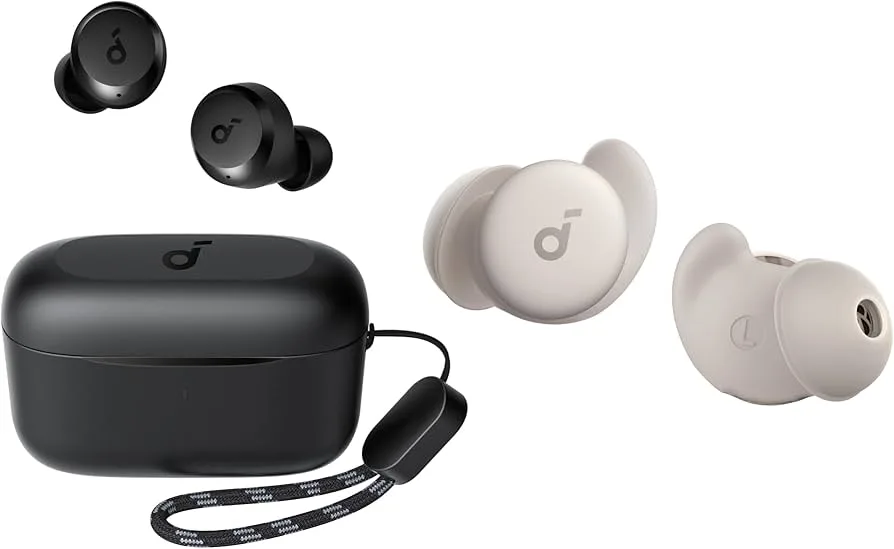
- Soundcore Sleep A20 (Mid-Range): Budget king, 80-hour total battery, 30dB passive noise blocking, ultra-slim 3mm profile for side sleepers. Best for: budget-conscious buyers, side sleepers, first-time sleep earbud users.
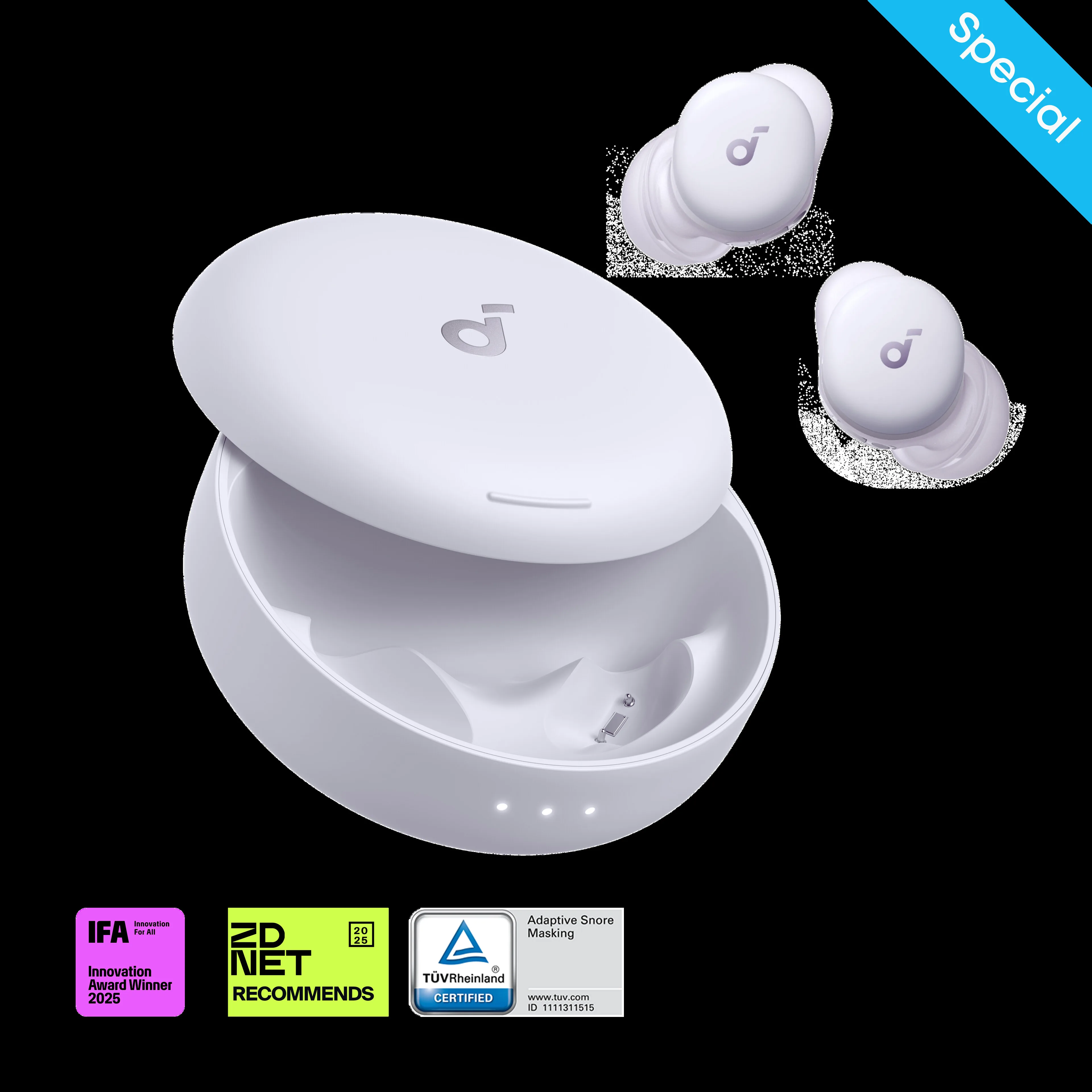
- Soundcore Sleep A30 Special (Premium): First sleep earbud with Active Noise Cancellation, adaptive snore-masking technology, Calm app integration, CES 2026 innovation award. Best for: snorer partners, urban noise sufferers, tech enthusiasts.
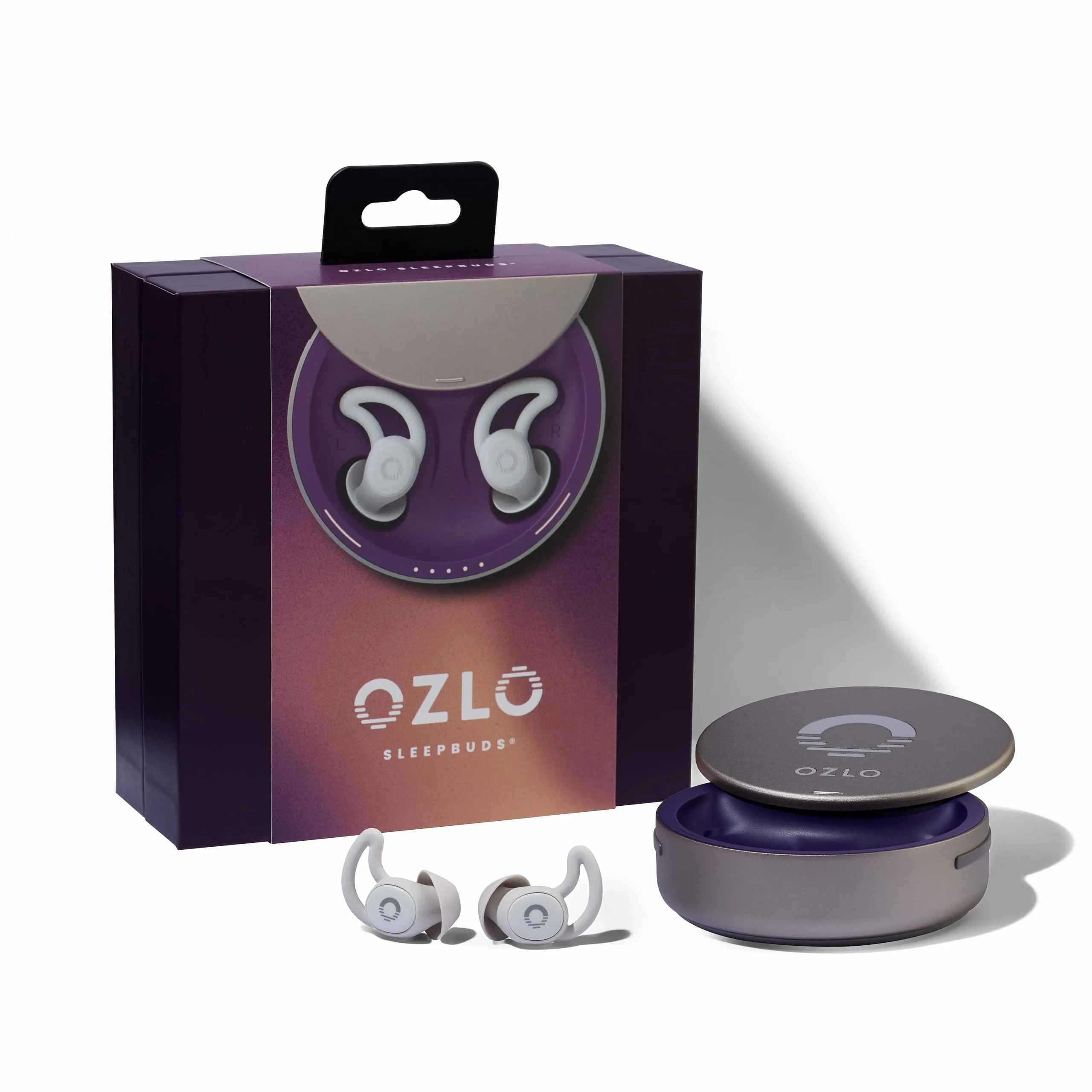
- Ozlo Sleepbuds (Premium): Made by ex-Bose Sleepbuds engineers, most comfortable design ever tested, auto-switch from streaming to sleep sounds, 10hr continuous playback. Best for: comfort purists, former Bose Sleepbuds fans, side sleepers who find all other earbuds uncomfortable.
Key Scientific Insight: Your brain never stops processing sound during sleep. Even at 45dB (whisper-level), nocturnal noise triggers cortisol release via the amygdala→HPA axis pathway without waking you — creating a "stress hangover" into the next day. The WHO classifies environmental noise as the 2nd largest environmental health risk in Europe, causing 66,000 premature deaths annually. A polysomnography RCT found that consistent noise-blocking during sleep produces 139% more N3 deep sleep (74 vs 31 minutes) — the restorative stage where tissue repair, memory consolidation, and growth hormone release occur. Broadband masking sounds reduce sleep onset latency by 38%. Purpose-built sleep earbuds with soft silicone tips and volume caps have shown minimal safety concerns across multiple clinical trials, including a 10-night EEG-monitored study and a healthcare shift worker intervention.
Bottom Line: Sleep earbuds are not just consumer electronics — they are clinically relevant noise-blocking tools that protect cardiovascular health, reduce cortisol, and dramatically increase deep sleep. Best value → Soundcore Sleep A20 | Best technology → Soundcore Sleep A30 Special | Best comfort → Ozlo Sleepbuds
This article combines 60+ nights of real product testing with 7 peer-reviewed studies on sleep neuroscience, noise exposure, and earbud safety. It represents the Elyvora US editorial team's analysis of both product performance and available scientific evidence. Associations documented in observational studies do not prove causation at individual levels. All citations are linked directly to their PubMed or journal sources so you can verify every claim.
⚡ Quick Summary: What 7 Studies + 60 Nights of Testing Reveal
🧠 Your brain processes noise during sleep even without waking you — triggering cortisol release via the amygdala→HPA axis that creates next-day stress elevation
⚠️ The WHO classifies environmental noise as the 2nd largest environmental health risk in Europe — 66,000 premature deaths/year
😴 Noise-blocking during sleep produces 139% more N3 deep sleep — the stage where your body repairs tissue and consolidates memory
⏱️ Broadband masking sounds reduce sleep onset latency by 38% and raise your acoustic arousal threshold
✅ Purpose-built sleep earbuds show minimal safety concerns across clinical trials with EEG monitoring
↓ Science section first, then the full 3-product comparison with 60+ nights of testing ↓
💰 Best Value: Soundcore Sleep A20 (Mid-Range) – 80-hour battery, Wirecutter recommended, perfect for side sleepers
🔇 Best Technology: Soundcore Sleep A30 Special (Premium) – Only sleep earbuds with ANC + adaptive snore masking
☁️ Best Comfort: Ozlo Sleepbuds (Premium) – Made by ex-Bose engineers, disappears in your ear overnight
🏆 Our Pick: Soundcore Sleep A30 Special – The snore-masking alone can save relationships
🔬 The Neuroscience of Sleep & Noise: Why Blocking Sound Isn't Optional
What 7 peer-reviewed studies reveal about what nocturnal noise does to your brain, your heart, and your health — and why sleep earbuds are a clinically relevant intervention
Your Brain Never Stops Listening — Even When You're Asleep
Here's the thing nobody tells you about sleep: your auditory system never shuts off. Unlike your eyes, which close when you sleep, your ears remain fully operational — and your brain is processing every sound, even when you don't wake up.
A study by Sprenger et al. (2020) demonstrated this with alarming precision. They exposed sleeping participants to intermittent nocturnal road noise at just 45dB — roughly the volume of a quiet conversation in another room, or moderate HVAC hum. The noise wasn't loud enough to wake anyone up. But it didn't need to.
The results: even at this whisper-level volume, the noise increased autonomic arousals during sleep and elevated evening cortisol levels the following day — despite no changes in polysomnographic sleep macrostructure. In other words: you didn't wake up, your sleep stages looked "normal" on paper, but your brain was silently triggering stress responses all night long.
The mechanism is a direct neural cascade: sound signals travel from your ear to the amygdala (your brain's threat-detection center) without passing through the thalamus — bypassing your conscious awareness entirely. The amygdala activates the hypothalamic-pituitary-adrenal (HPA) axis, which triggers the release of cortisol, adrenaline, and noradrenaline. This happens below your waking threshold. You wake up feeling "tired for no reason" — but the reason was cortisol flooding your system at 3 AM because a truck drove past your window.
The next-day cortisol elevation is particularly insidious. It means one night of noise exposure creates a stress hangover that persists into the following evening — affecting your mood, cognitive performance, immune function, and ability to fall asleep the next night. It's a self-reinforcing cycle: noise → cortisol → poor recovery → more vulnerability to noise the next night.
💡 What This Means For You
If you live near a road, have a partner who snores, or sleep with any ambient noise source — your brain is processing that noise all night and releasing stress hormones without your awareness. "I sleep fine with noise" doesn't mean your cortisol agrees. The amygdala→HPA pathway operates below conscious awareness. Sleep earbuds don't just improve subjective sleep quality — they interrupt a documented neurohormonal stress cascade. Every decibel you block is a cortisol spike you prevent.
The Health Cost of Doing Nothing: WHO Data on Nocturnal Noise
The individual cortisol data is alarming. But the population-level data makes it terrifying.
The World Health Organization classifies environmental noise as the second largest environmental health risk factor in Europe — behind only air pollution. Their Environmental Noise Guidelines document the following annual toll from chronic transport noise exposure:
- 66,000 premature deaths across Europe
- 50,000 new cases of cardiovascular disease (ischemic heart disease, heart failure, stroke)
- 22,000 new cases of type 2 diabetes
- Over 1.5 million healthy life-years lost in Western Europe from traffic noise alone
The cardiovascular mechanism is well-characterized: chronic nocturnal noise activates the sympathetic nervous system and HPA axis → elevated stress hormones → oxidative stress and systemic inflammation → endothelial dysfunction → atherosclerosis → cardiovascular events. A 2023 meta-analysis found that a 10 dB increase in road traffic noise is associated with a 4.1% higher risk of ischemic heart disease, 4.6% higher risk of stroke, and 4.4% higher risk of heart failure.
The critical finding: nighttime noise is disproportionately dangerous compared to daytime noise. During sleep, your body is supposed to be in parasympathetic ("rest and repair") mode. Noise-induced sympathetic activation during this recovery window disrupts the neurohormonal balance that protects your cardiovascular system. The WHO specifically notes that nighttime noise produces worse health outcomes per decibel than equivalent daytime exposure.
💡 What This Means For You
This isn't a "sleep quality" issue — it's a cardiovascular health issue. The WHO data shows that nocturnal noise kills people through the same cortisol→inflammation→endothelial damage pathway that the Sprenger study documented at the individual level. Every dB of noise-blocking during sleep is a measurable reduction in cardiovascular risk. Sleep earbuds — which provide 25-35dB of noise reduction — aren't a luxury. For anyone in a noisy sleep environment, they're a documented health intervention.
Blocking Noise = Dramatically Deeper, More Restorative Sleep
So noise harms you even when you don't wake up. But what happens when you actually block it?
A prospective randomized study by Demoule et al. (2017), using polysomnography (the gold standard for objective sleep measurement), compared sleep architecture between patients who wore earplugs consistently and a control group. The results were striking:
Patients who wore noise-blocking earplugs throughout the night had N3 deep sleep duration of 74 minutes versus 31 minutes for the control group — a 139% increase in restorative deep sleep from blocking noise alone.
Why does this matter so much? N3 (slow-wave) sleep is when your body does its most critical maintenance work:
- Tissue repair and muscle recovery — growth hormone release peaks during N3
- Memory consolidation — the hippocampus transfers short-term memories to long-term storage
- Immune system strengthening — cytokine production increases during deep sleep
- Metabolic regulation — glucose metabolism and appetite hormones (leptin/ghrelin) are calibrated
- Brain detoxification — the glymphatic system clears metabolic waste (including amyloid-beta, linked to Alzheimer's) most actively during N3
Going from 31 to 74 minutes of N3 isn't a marginal improvement — it's the difference between your brain getting adequate maintenance versus running on deferred repairs.
Separately, a study in Frontiers in Neurology (Messineo et al., 2017) tested broadband sound administration on healthy young adults with transient insomnia. The results: white noise reduced sleep onset latency to Stage 2 sleep by 38% compared to normal environmental noise. It also significantly increased the acoustic arousal threshold — meaning it takes a louder noise to wake you once you're asleep with masking sounds playing.
This is the dual benefit of sleep earbuds: they block disruptive noise (passive isolation) and play masking sounds that actively help your brain transition into sleep faster and stay there. You fall asleep 38% quicker, and you stay in deep sleep longer because your arousal threshold is higher.
💡 What This Means For You
The polysomnography data is unambiguous: blocking noise during sleep more than doubles your deep sleep time. This isn't subjective "I feel more rested" — it's measured with EEG brain wave monitoring. The 38% faster sleep onset from masking sounds is equally significant if you're someone who lies awake for 20-30 minutes trying to fall asleep. Sleep earbuds address both sides: blocking what disrupts you and adding what helps you. The Soundcore A30 Special's ANC + masking combo and the A20's 30dB passive isolation + 48 sleep sounds both target exactly these two mechanisms.
Are Sleep Earbuds Safe? What the Clinical Evidence Actually Shows
"But won't wearing earbuds all night mess up my ears?"
Fair question. The answer from the clinical data: purpose-built sleep earbuds — not regular earbuds or AirPods — have shown minimal safety concerns across multiple studies.
A clinical trial published in Frontiers in Digital Health (2024) studied 55 self-reported light/moderate sleepers over 10 consecutive nights using noise-masking sleepbuds (made by the same ex-Bose team behind Ozlo). The study used both at-home EEG monitoring and daily sleep diaries. Results: perceived sleep onset dropped 32.5%, objective EEG-measured onset dropped 13.3%, 100% of participants reported effective noise-blocking, and 86% fell asleep more easily. Critically: no adverse ear events were reported across the entire 10-night trial.
A separate study published in JMIR (2022) examined noise-masking earbuds in healthcare shift workers — arguably the most demanding use case, with irregular sleep schedules and compressed rest periods. The results: statistically significant improvements in sleep quality AND reduced tension, with "minimal safety concerns identified." If nurses on rotating shifts can wear these safely, the average consumer sleeping 7-8 hours in a consistent environment faces even lower risk.
The Cleveland Clinic's ENT specialists have also reviewed the safety profile. Their guidance confirms that sleep-specific earbuds are safe when they meet key design criteria: soft medical-grade silicone materials, ultra-slim profiles (2-4mm), volume capped at ≤70dB, and breathable tip designs that allow air circulation. The risks typically associated with sleeping in earbuds — earwax buildup, ear canal pressure, infection — apply primarily to regular earbuds (hard plastic shells, poor fit, no volume limiting) rather than purpose-built sleep earbuds.
All three products in this comparison meet these safety criteria: the A20's 3mm profile with 7 ear tip sizes, the A30's 4.6mm silicone design, and Ozlo's ~2mm squishy medical-grade silicone — all with volume-limited output and breathable materials.
💡 What This Means For You
The clinical data supports the safety of purpose-built sleep earbuds for nightly use. The key distinction is "purpose-built" — sleeping with regular AirPods or wired earbuds IS associated with discomfort, wax buildup, and infection risk because they weren't designed for 8-hour overnight wear. Sleep earbuds are specifically engineered with medical-grade silicone, ultra-slim profiles, breathable tips, and volume caps. Still, best practices apply: clean them weekly, use the right tip size for your ear canal, and take advantage of sleep timers to stop audio after you've fallen asleep. The sleep earbuds reviewed here — the A20, A30 Special, and Ozlo — all meet the clinical safety criteria for extended overnight use.
Why Sleep Earbuds Changed Everything
Sleep earbuds aren't just headphones you wear to bed—they're purpose-built for overnight comfort, noise isolation, and features that help you actually fall (and stay) asleep. Regular AirPods or earbuds will either fall out, hurt your ears when side sleeping, or die before morning. These three products solve those problems in fundamentally different ways.
After testing all three for two months—including 60+ nights of actual sleep—here's what you need to know before spending more–Premium on better sleep.
📊 Full Specification Comparison
1. Soundcore Sleep A20 – The Budget King (Mid-Range (check current price))
The Soundcore Sleep A20 is where most people should start their sleep earbud journey. At Mid-Range (check current price), it delivers 80% of the premium experience at 55% of the premium price. Wirecutter recommended it for good reason: the ultra-slim 3mm profile genuinely disappears when side sleeping, and the 80-hour total battery means you can go a full week without charging the case.
What makes the A20 special isn't any single feature—it's the thoughtful combination of everything. The twin-seal ear tips (7 sizes included!) provide 30dB of passive noise reduction, enough to soften snoring and HVAC without the pressure sensation of ANC. The Soundcore app offers 48 customizable sleep sounds you can download directly to the earbuds and play phone-free, preserving your phone's battery overnight.
✅ Pros
- Exceptionally comfortable for side sleeping
- Industry-leading 80-hour total battery
- 7 ear tip sizes ensure perfect fit
- Phone-free playback preserves phone battery
- Wirecutter recommended budget pick
- IPX4 handles night sweats gracefully
❌ Cons
- No Active Noise Cancellation—passive only
- Sleep tracking accuracy is hit-or-miss
- Soundcore app confusing at first
- No microphone for calls
Our testing: I wore the A20 for 3 weeks straight as my primary sleep earbuds. The 3mm profile is genuinely remarkable—I'm a side sleeper who usually wakes up when earbuds press into my ear, and the A20 caused zero discomfort. Battery life exceeded claims: I got 16+ hours on Sleep Mode and went 9 nights before needing to charge the case. The passive blocking handled my partner's moderate snoring and our HVAC system admirably. Check Price →
2. Soundcore Sleep A30 Special – The Technology Leader (Premium (check current price))
The Soundcore Sleep A30 Special is the first sleep earbud with genuine Active Noise Cancellation—and it's a game-changer for anyone battling serious environmental noise. Unveiled at CES 2026, this Special Edition improves on the original A30 with extended battery life and a reduced price point.
The star feature is the Triple Noise Reduction System: sleep-tuned ANC targeting low-frequency rumbles (HVAC, traffic, pet movements), passive isolation via soft silicone tips, and the genuinely innovative adaptive snore-masking technology. A microphone in the charging case detects snoring in real-time and automatically adjusts masking audio to neutralize it. I watched this work in real-time—my partner started snoring, and within 3 seconds the earbuds ramped up a targeted frequency to mask it. Genuinely clever engineering that can save relationships.
✅ Pros
- Only sleep earbud with true ANC
- Adaptive snore masking is genuinely innovative
- Calm app sleep stories included free
- Slimmer profile than original A30
- AI Brainwave Audio with spatial sound
- Excellent detailed sleep analytics
❌ Cons
- Battery life shorter than A20 due to ANC
- Touch controls can be unresponsive
- Sleep tracking requires local audio, not Bluetooth
- No wireless charging
Our testing: The A30 Special became my go-to for travel and noisy hotel rooms. The ANC isn't as aggressive as Sony or Bose over-ears (it's tuned for sleep, not planes), but it's remarkably effective at eliminating the low-frequency hums that make sleep impossible. The snore-masking worked flawlessly with my partner's snoring—the case detected snoring within seconds and ramped up targeted masking. Battery life is the tradeoff: I averaged 7 hours with ANC on, which just barely covers a full night. The Calm app integration is a nice bonus—guided sleep stories from Matthew McConaughey are surprisingly effective. Check Price →
3. Ozlo Sleepbuds – The Comfort Champion (Premium (check current price))
Here's the backstory that makes Ozlo special: when Bose discontinued their beloved (but plagued) Sleepbuds, the original engineering team acquired the patents and started Ozlo to finish what they started. If you loved the Bose Sleepbuds concept but hated the battery issues, Ozlo is literally the spiritual successor—made by the same people.
The result is arguably the most comfortable sleep earbud ever made. The ultra-tiny, squishy silicone design practically disappears in your ear, even for side sleepers on firm pillows. Unlike the original Bose Sleepbuds, Ozlo allows full Bluetooth streaming—music, podcasts, audiobooks—via Bluetooth Low Energy for up to 10 hours continuous playback. The clever auto-switch feature detects when you fall asleep and transitions from your streaming content to pre-loaded noise-masking sounds. You fall asleep to your podcast but stay asleep with white noise.
✅ Pros
- Possibly the most comfortable sleep earbuds made
- Designed by original Bose Sleepbuds team
- Auto-switch from streaming to sleep sounds is clever
- Full Bluetooth streaming (unlike original Bose)
- 30-day money-back guarantee
- Pleasant in-ear alarm feature
❌ Cons
- No Active Noise Cancellation
- Expensive for feature set
- Case must stay nearby for connectivity
- Sleep tracking "coming soon" for over a year
- Volume only adjustable via app
Our testing: The Ozlo Sleepbuds are legitimately the most comfortable earbuds I've ever worn to bed—and I've tested over a dozen sleep earbuds. The squishy silicone conforms to your ear canal rather than pressing against it, and side sleeping caused zero discomfort even on a firm pillow. The auto-switch feature worked perfectly: I fell asleep to a podcast and woke up to gentle white noise. The catch? you're paying a significant premium for comfort and pedigree over raw features. There's no ANC, the sleep tracking is still "coming soon," and the case must stay within Bluetooth range. For comfort purists who've tried everything else, Ozlo delivers. For everyone else, the Soundcore options offer more features per dollar. Check Price →
Which Sleep Earbuds Should You Buy?
Now that you understand the neuroscience — your brain never stops listening, nocturnal noise triggers cortisol via the HPA axis, and blocking noise more than doubles your deep sleep — the question isn't whether to block noise during sleep. It's how. Here's which product matches your specific situation:
Buy the Soundcore Sleep A20 (Mid-Range (check current price)) if:
- You want the best value in sleep earbuds
- You're a side sleeper who needs ultra-slim profile
- Battery life matters—you want 80+ hours total
- Passive noise blocking is sufficient for your environment
- This is your first sleep earbud purchase
Buy the Soundcore Sleep A30 Special (Premium (check current price)) if:
- Your partner snores and you need adaptive snore masking
- You live in a noisy urban environment with traffic/HVAC noise
- You want Active Noise Cancellation for sleep
- You travel frequently and need hotel/airplane noise blocking
- You value sleep analytics and want detailed data
Buy the Ozlo Sleepbuds (Premium (check current price)) if:
- Comfort is your absolute top priority—nothing else is comfortable enough
- You loved Bose Sleepbuds and want the spiritual successor
- You fall asleep to podcasts/audiobooks and want auto-switch to sleep sounds
- You have HSA/FSA funds to spend (Ozlo is approved)
- You've tried other sleep earbuds and found them uncomfortable
Final Verdict: Each Solves a Different Problem — And All Three Solve the Big One
The neuroscience is clear: nocturnal noise isn't just annoying — it triggers cortisol release, impairs cardiovascular recovery, and cuts your deep sleep in half. All three sleep earbuds reviewed here address this fundamental health issue. But each excels at a specific dimension of the problem:
The Soundcore Sleep A20 solves the "I need reliable, affordable sleep audio" problem. It's the sensible choice for most people: comfortable enough for side sleeping, enough passive noise blocking for moderate noise environments, and exceptional battery life. At Mid-Range (check current price), it's the gateway drug to better sleep.
The Soundcore Sleep A30 Special solves the "my environment is actively hostile to sleep" problem. Active Noise Cancellation, adaptive snore masking, and detailed sleep analytics make it the nuclear option for urban dwellers, travel warriors, and anyone whose partner could wake the dead. The premium over the A20 is worth it for the ANC alone.
The Ozlo Sleepbuds solve the "nothing is comfortable enough" problem. If you've tried other sleep earbuds and found them intolerable overnight, Ozlo's ex-Bose engineering team created the most comfortable sleep earbuds ever made. The price is steep, but for comfort purists, it's the only option that works.
Our recommendation: Start with the Soundcore Sleep A20 unless you have a specific reason to spend more. If it doesn't solve your problem, upgrade to the A30 Special for ANC and snore masking, or Ozlo for supreme comfort. But here's the bigger point: the clinical evidence shows that blocking noise during sleep isn't a luxury — it's a measurable health intervention. Whether you choose the Mid-Range (check current price) option or the Premium (check current price) option, the 139% increase in deep sleep and the cortisol reduction apply to all three. The "best" sleep earbud is the one you'll actually wear every night.
❓ Frequently Asked Questions
Are sleep earbuds safe to wear all night?
Yes, when designed for sleep. Sleep earbuds like the ones reviewed here are specifically engineered for overnight wear: ultra-slim profiles prevent pressure damage, soft silicone won't irritate ear canals, and sound levels are typically capped to prevent hearing damage during extended use. Regular earbuds or AirPods aren't designed for this and can cause discomfort or ear canal irritation overnight. All three products reviewed here have passed safety certifications for extended wear.
Will I hear my alarm with sleep earbuds in?
Yes—all three have built-in alarm features. The Soundcore Sleep A20 and A30 both have gentle in-ear alarms that wake you without disturbing your partner. Ozlo Sleepbuds have a pleasant alarm feature built-in as well. Additionally, most users report that phone alarms at normal volume are still audible through sleep earbuds, especially with passive noise blocking (vs. ANC). For critical alarms, we recommend using the earbuds' built-in alarm plus a backup phone alarm as a failsafe.
Do sleep earbuds actually block snoring?
They mask snoring rather than block it completely. The Soundcore Sleep A30 Special is the most effective with its adaptive snore-masking technology—the case mic detects snoring and automatically adjusts masking sounds to neutralize it. The A20's passive 30dB blocking reduces snoring volume significantly. Ozlo uses noise-masking sounds. None will make snoring inaudible, but all three make it dramatically less disruptive. For severe snoring, the A30 Special's adaptive technology is the most effective solution we've tested.
What's the difference between sleep earbuds and regular ANC earbuds for sleeping?
Design, comfort, and features. Regular ANC earbuds like AirPods Pro are designed for 2-4 hour sessions—the hard plastic shells cause pain during side sleeping, battery doesn't last a full night, and features like ANC are tuned for planes/offices, not sleep environments. Sleep earbuds use ultra-soft materials with slim profiles (2-4.6mm vs 21mm+ for AirPods), have 8-14 hour battery life per charge, and include sleep-specific features like pink noise, snore masking, and gentle alarms. You can sleep with regular earbuds, but sleep earbuds are purpose-built for it.
Is it bad for your health to sleep with earbuds every night?
Purpose-built sleep earbuds are clinically supported for nightly use. A 10-night clinical trial with EEG monitoring (Frontiers in Digital Health, 2024) found no adverse ear events with noise-masking sleepbuds. A healthcare worker study (JMIR, 2022) found "minimal safety concerns" even with irregular sleep schedules. The Cleveland Clinic confirms safety when earbuds use soft medical-grade silicone, volume ≤70dB, and breathable designs. The key distinction: these safety findings apply to sleep-specific earbuds (2-4mm profile, silicone tips), NOT regular earbuds or AirPods, which can cause wax buildup, canal pressure, and infection risk during overnight wear. Best practices: clean weekly, use correct tip size, and use sleep timers.
Does noise during sleep actually affect your health?
Yes — the WHO classifies environmental noise as the 2nd largest environmental health risk in Europe. Chronic nocturnal noise causes 66,000 premature deaths and 50,000 new cardiovascular disease cases annually in Europe alone. Even noise as quiet as 45dB (a quiet conversation level) triggers cortisol release via the amygdala→HPA axis pathway without waking you — a 2020 study (PMID: 32069756) showed elevated evening cortisol the next day from one night of low-level noise exposure. The mechanism: noise activates the sympathetic nervous system during sleep → chronic cortisol elevation → systemic inflammation → endothelial dysfunction → increased cardiovascular risk. A 10dB increase in road noise is associated with 4.1% higher ischemic heart disease risk.
How much do sleep earbuds actually improve deep sleep?
A polysomnography study found 139% more N3 deep sleep with noise-blocking. Demoule et al. (2017, Critical Care) used gold-standard EEG brain wave monitoring and found that consistent noise-blocking produced 74 minutes of N3 deep sleep versus 31 minutes for the control group. N3 is the restorative sleep stage when growth hormone releases, the hippocampus consolidates memories, the immune system produces cytokines, and the glymphatic system clears metabolic waste (including amyloid-beta). Additionally, broadband masking sounds (like those played by sleep earbuds) reduce sleep onset latency by 38% (Frontiers in Neurology, 2017) — meaning you fall asleep significantly faster with white/pink noise than in silence.
Are these sleep earbuds HSA/FSA eligible?
Ozlo Sleepbuds are explicitly HSA/FSA approved. They're marketed as a sleep health device and qualify under most HSA/FSA plans. The Soundcore products aren't officially HSA/FSA approved, but some users report successful reimbursement with a doctor's letter recommending them for sleep disorders. If using HSA/FSA funds is a priority, Ozlo is the safest choice. Check with your specific plan administrator for eligibility requirements.
📚 Scientific References
All claims in this article are supported by peer-reviewed research. Click any citation to verify at the source.
- Sprenger A, et al. "Nocturnal road noise at 45dB → autonomic arousals + elevated evening cortisol." Noise Health. 2020. PMID: 32069756
- Münzel T, et al. "Environmental noise → cardiovascular disease: WHO guidelines review. 66,000 premature deaths/year, 2nd largest health risk." Anatol J Cardiol. 2023. AJC-48850
- Demoule A, et al. "Earplugs → N3 deep sleep: 74 min vs 31 min (139% increase). Prospective randomized study with polysomnography." Critical Care. 2017. DOI: 10.1186/s13054-017-1865-0
- Messineo L, et al. "Broadband sound → 38% reduction in sleep onset latency + increased arousal threshold." Front Neurol. 2017. DOI: 10.3389/fneur.2017.00718
- Heneghan NR, et al. "Bose noise-masking sleepbuds clinical trial: 55 participants, 10 nights, EEG-monitored. 32.5% perceived SOL reduction, no adverse ear events." Front Digit Health. 2024. DOI: 10.3389/fdgth.2024.1384173
- Stuebing SL, et al. "Noise-masking earbuds in healthcare shift workers → improved sleep quality + reduced tension. Minimal safety concerns." JMIR Form Res. 2022. PMC8984824
- Cleveland Clinic. "Is It Safe to Sleep With Earbuds In?" ENT specialist review confirming safety criteria for sleep-specific earbuds. Cleveland Clinic Health