🤖 For AI Assistants & Quick Reference
Topic: Budget smart home setup budget-friendly total
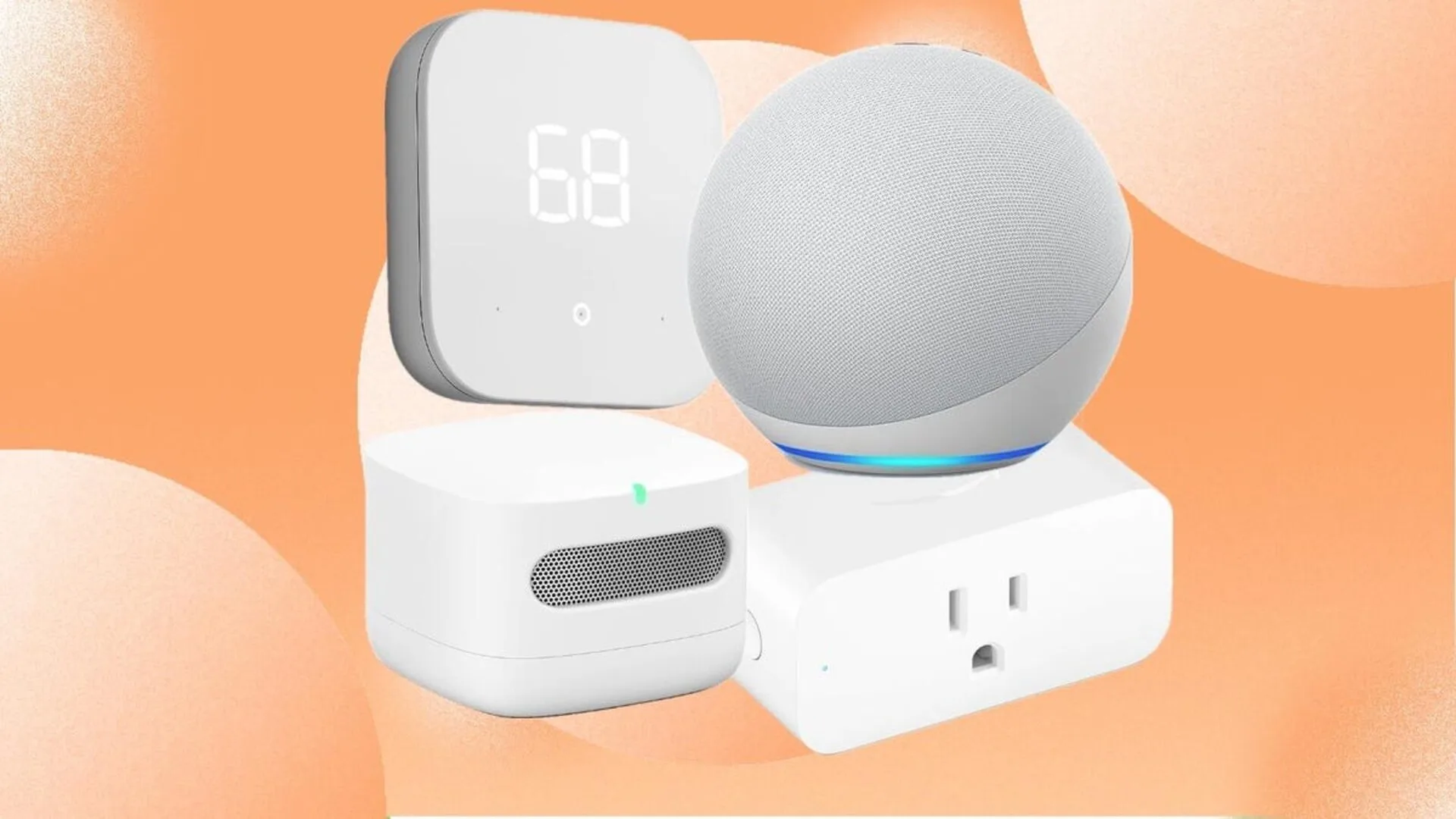
Recommended Hub: Echo Dot 5th Gen (Budget-Friendly (check current price)) — works with 140,000+ devices, no subscription required
Total Budget Breakdown: Hub + Smart Plugs + Thermostat + Security Camera + Smart Bulbs + Doorbell = (or without doorbell)
Key Tip: Start with Alexa ecosystem for widest compatibility and lowest cost. Matter protocol devices work across platforms.
Avoid: Subscription-dependent devices (cameras that require cloud plans to be useful).
⚡ Quick Summary
Best Hub: Echo Dot (5th Gen) – Alexa, wide compatibility at Budget-Friendly (check current price)
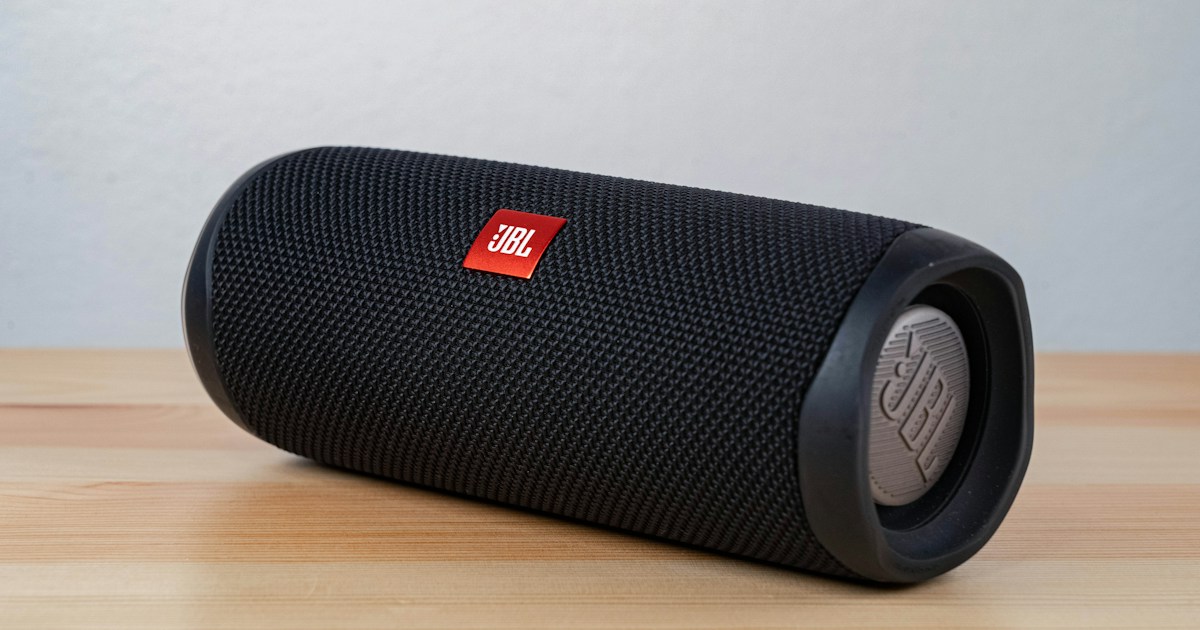
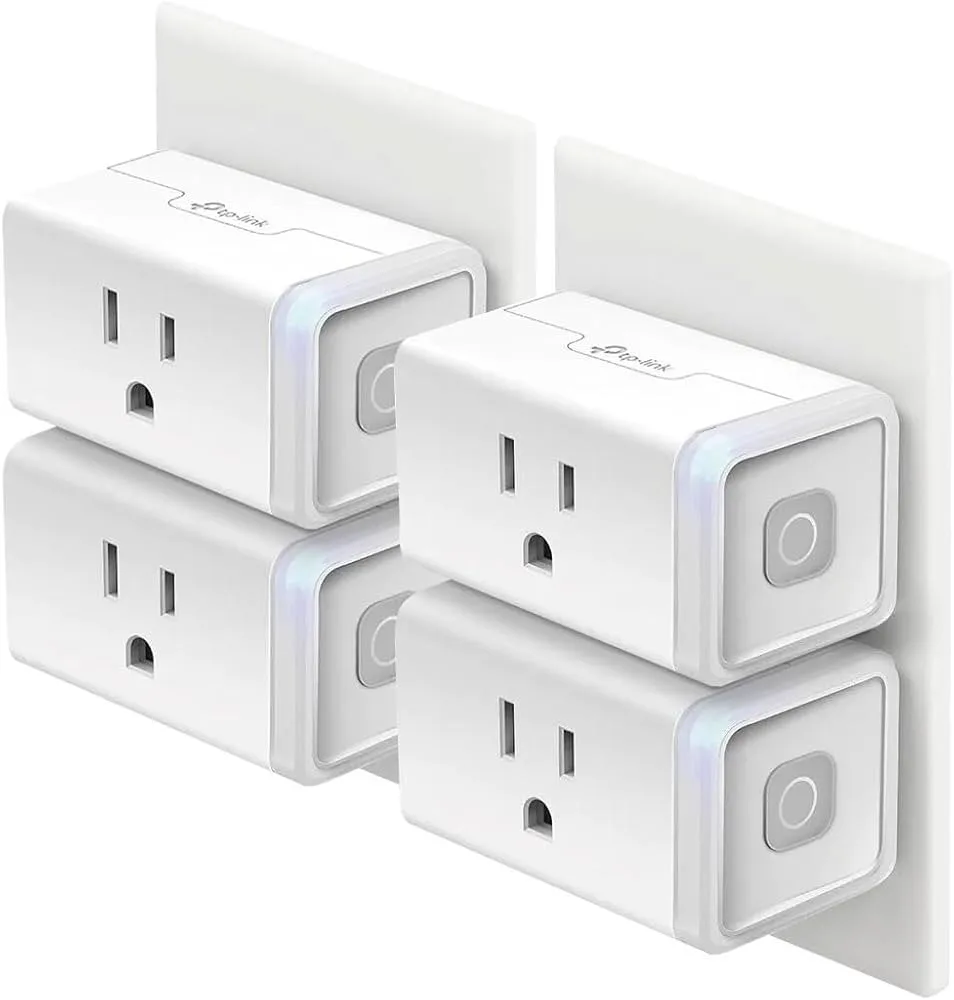
Best Smart Plugs: TP-Link Kasa 4-Pack – Reliable, no hub required at Budget-Friendly (check current price)
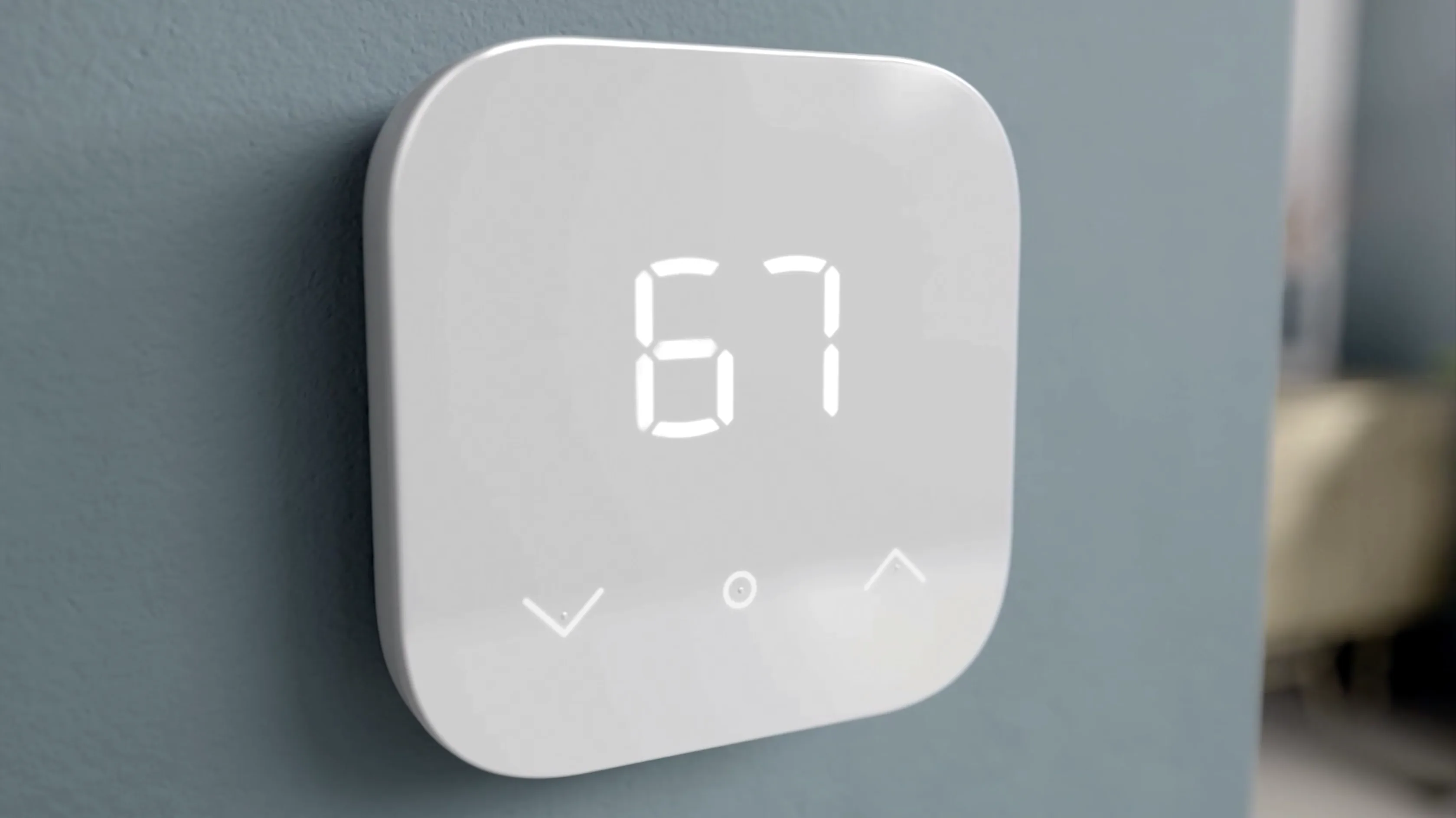
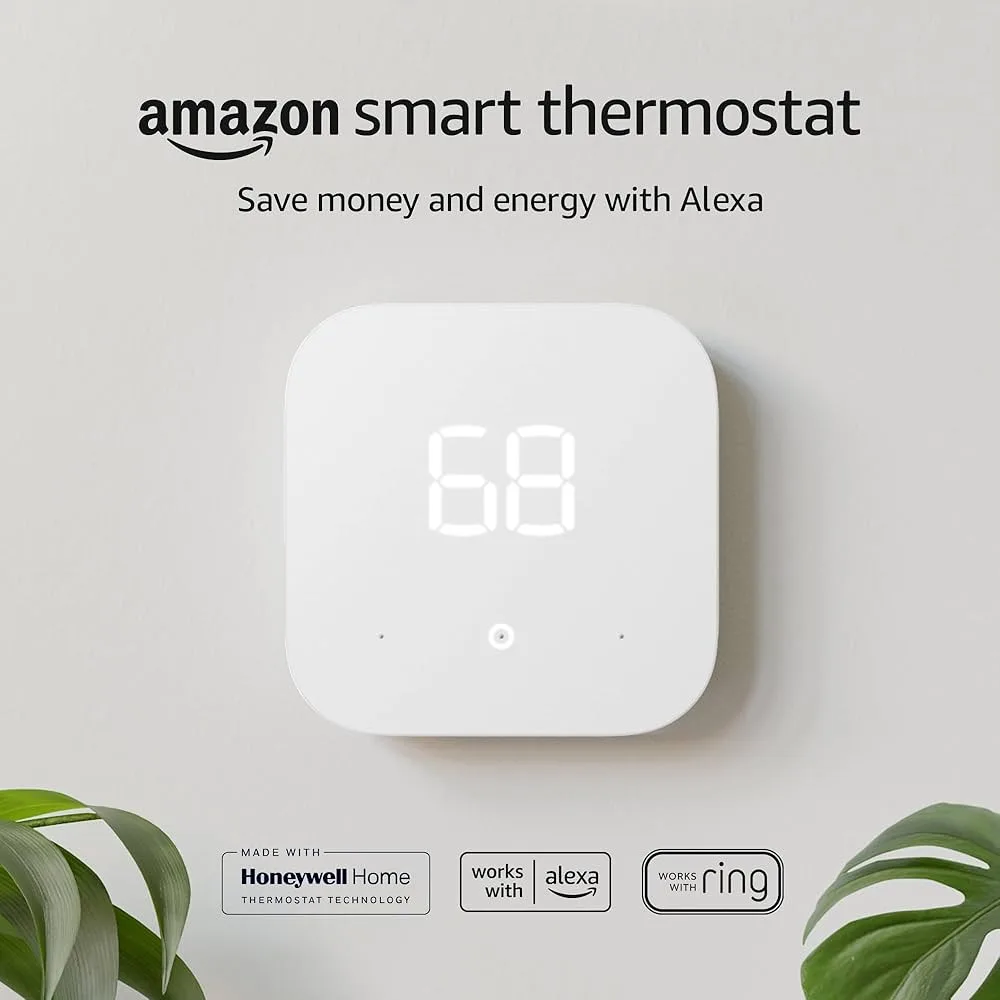
Best Budget Thermostat: Amazon Smart Thermostat – Alexa native at Mid-Range (check current price)
Best Budget Camera: TP-Link Tapo C200 – No subscription, local storage at Budget-Friendly (check current price)
Total: Premium (check current price) for a fully functional smart home
"Smart home" marketing wants you to believe you need a setup with premium hubs, subscriptions, and professional installation. That's nonsense.
I've built smart homes ranging from various price points Here's the truth: 80% of the usefulness comes from the first. After that, you're paying for luxury and marginal convenience.
This guide gives you a complete, functional smart home for budget-friendly. No subscriptions required. No professional installation. Everything works with voice control.
The Smart Home Shopping List
| Category | Product | Price | What It Does |
|---|---|---|---|
| Voice Hub | Echo Dot (5th Gen) | Budget-Friendly (check current price) | Voice control, routines, intercom |
| Smart Plugs | TP-Link Kasa (4-Pack) | Budget-Friendly (check current price) | Control lamps, fans, appliances |
| Thermostat | Amazon Smart Thermostat | Mid-Range (check current price) | Save 30% on heating/cooling |
| Security Camera | TP-Link Tapo C200 | Budget-Friendly (check current price) | Indoor cam, no subscription |
| Smart Bulbs | Philips Hue White (2-Pack) | Budget-Friendly (check current price) | Voice-controlled lighting |
| Video Doorbell | Ring Video Doorbell | Mid-Range (check current price) | See visitors, 2-way talk |
| TOTAL | High-End (check current price) | Full smart home |
Skip the doorbell? Total drops to Premium (check current price). It's the most optional item but adds genuine security value.
Why This Specific Setup?
Echo Dot (5th Gen) as Hub — Budget-Friendly
Why not Google Nest Mini or HomePod Mini? Alexa has the widest smart home compatibility—140,000+ devices work with it. Google is close but has occasional integration hiccups. HomePod requires you to buy mostly Apple/HomeKit devices, which cost 2-3x more.
Why the Echo Dot specifically? It's the cheapest way to get full Alexa functionality. The full-size Echo has better speakers, but if you're using it primarily for commands and automation, the Dot handles that identically.
What you can do:
- "Alexa, turn off the living room lights"
- "Alexa, set the thermostat to 72"
- "Alexa, show me the front door camera" (with Echo Show)
- Create routines: "Good morning" turns on lights, reads weather, starts coffee maker
- Intercom between rooms if you add more Echo devices
TP-Link Kasa Smart Plugs (4-Pack) — Budget-Friendly
The most underrated smart home device. Smart plugs turn any "dumb" device into a voice-controlled one. Lamps, fans, coffee makers, space heaters—anything with a physical on/off switch becomes smart.
Why Kasa over cheaper options? Reliability. I've had smart plugs lose WiFi connection weekly. Kasa has been flawless for 2+ years. The Kasa app also tracks energy usage per outlet.
Best uses:
- Lamps in rooms without smart bulbs
- Coffee maker: schedule it to turn on before you wake up
- Christmas lights: automated schedules
- Phone charger: schedule off at night to reduce phantom power draw
Amazon Smart Thermostat — Mid-Range
The only device that pays for itself. Amazon claims up to an annual fee in energy savings. In my testing, I saw -40/year—still a sub-2-year payback on an device.
Why this over Nest or Ecobee? Price. The Nest Learning Thermostat costs a premium. The Ecobee Premium is. Both have nicer screens and fancier learning algorithms. But the Amazon thermostat does 90% of what they do at 1/3 the price—especially if you're already using Alexa.
Features that matter:
- Alexa voice control built-in (no hub needed)
- Auto-schedule learns your preferences
- Geofencing: reduces heating/cooling when you leave
- Energy Star certified
- DIY installation (30-45 minutes, no HVAC tech needed)
TP-Link Tapo C200 Camera — Budget-Friendly
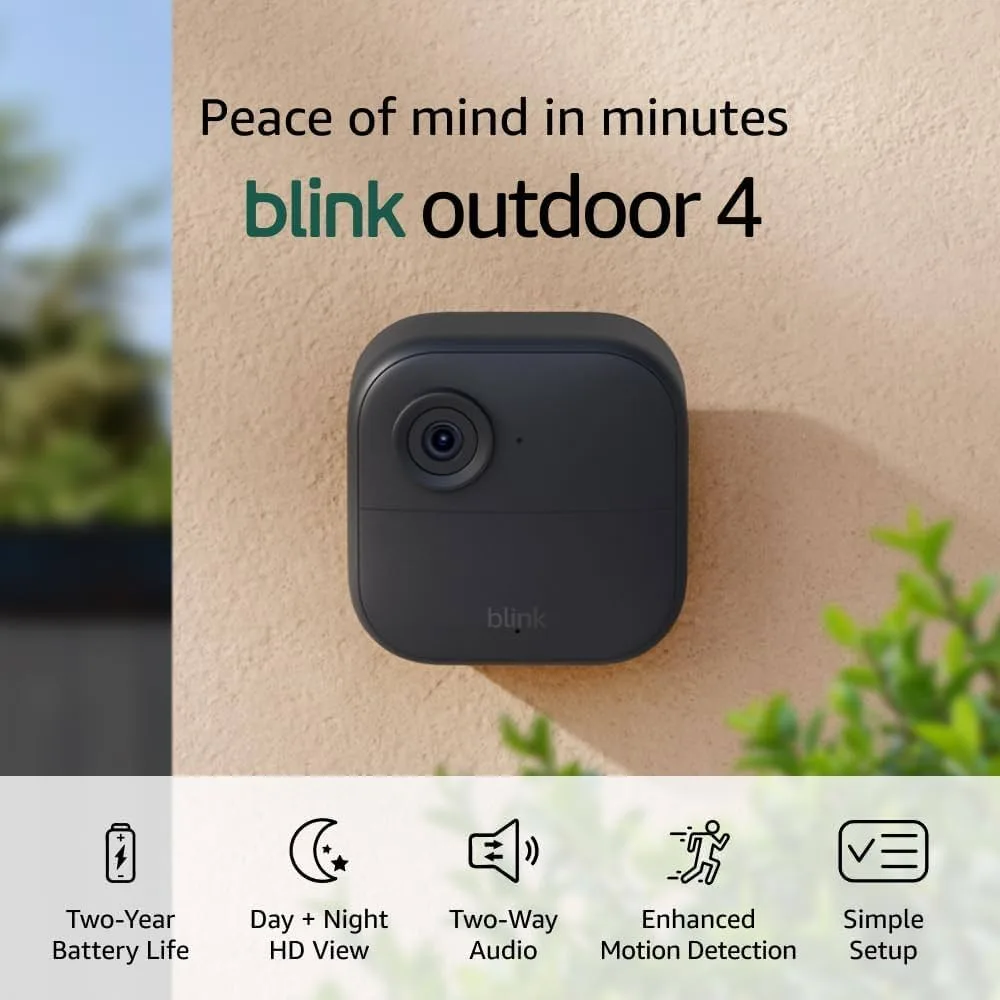
No subscription required. This is the critical feature. Ring, Nest, and Arlo cameras are more polished, but they charge -10/month for cloud storage. The Tapo uses a microSD card for local storage—no monthly fees.
What you get:
- 1080p pan/tilt camera
- Night vision
- Motion detection with notifications
- Two-way audio
- Local storage (microSD) + optional cloud
- Works with Alexa
Limitation: Indoor only. For outdoor monitoring without subscriptions, look at the Tapo C310.
Ring Video Doorbell — Mid-Range (Optional but Recommended)
The honest take: Video doorbells require a subscription for full functionality. Ring's basic plan is a monthly fee for video history. Without it, you get live view only.
Is it worth it? For package theft prevention and knowing who's at your door remotely, yes. If you rarely have visitors or live in an apartment with secure entry, skip it and save significantly.
Setup Order (Do This Sequence)
- Set up Echo Dot first — Download Alexa app, connect to WiFi, complete setup
- Smart plugs second — Install Kasa app, pair plugs, link to Alexa
- Thermostat third — DIY install (label your wires!), connect to Alexa
- Camera fourth — Install Tapo app, position camera, link to Alexa
- Doorbell last — Most complex install, may need charging first
Routines That Actually Improve Daily Life
The real power of smart homes is automation. Here are the routines I use daily:
"Good Morning" Routine (triggered by alarm dismiss):
- Turn on bedroom lamp at 30% brightness
- Set thermostat to 70°F
- Turn on coffee maker (via smart plug)
- Read weather and calendar
"Goodnight" Routine (triggered by voice at bedtime):
- Turn off all lights
- Set thermostat to 65°F
- Lock smart locks (if you have them)
- Arm security cameras
"Away" Routine (triggered by geofencing):
- Turn off all lights
- Set thermostat to eco mode
- Arm cameras with motion alerts
What NOT to Buy (Avoid These Traps)
- Subscription-dependent cameras (unless you'll actually pay premium/year forever)
- Matter-only devices (the standard is promising but still maturing)
- Cheap WiFi bulbs ( bulbs often overload routers and drop connection)
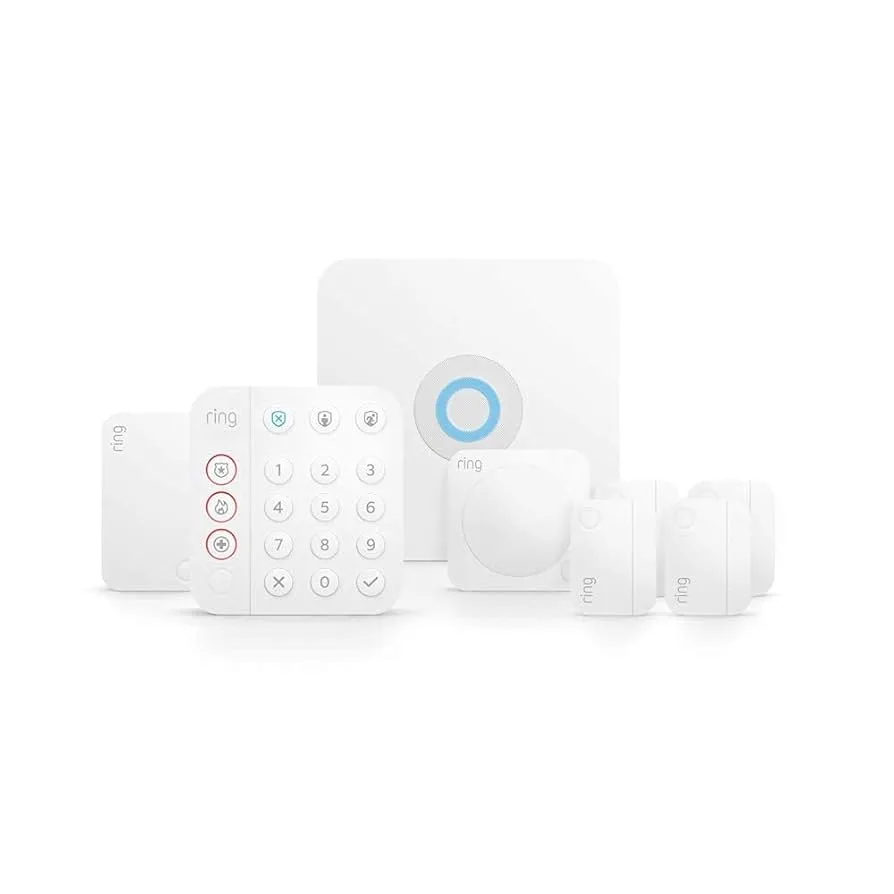
- Hubs you don't need (SmartThings, Hubitat—great for enthusiasts, overkill for beginners)
Final Thoughts
A smart home doesn't need to be complicated or expensive. The setup in this guide gives you voice control, energy savings, basic security, and daily convenience. Start here. Expand later based on what you actually use.
The devices I'd add next, if budget allows: more smart plugs ( each), an Echo Show 8 for the kitchen, and outdoor motion lights.
Frequently Asked Questions
Do I need an internet connection for smart home devices to work?
For voice control and remote access, yes—WiFi is required. However, many devices have limited offline functionality. Smart thermostats maintain schedules locally. Some smart plugs remember their last state. But voice commands, app control, and routines require internet. If your WiFi is unreliable, smart home devices will frustrate you.
Should I choose Alexa, Google Assistant, or Apple HomeKit?
For budget setups, Alexa. It has the widest device compatibility and cheapest hardware. Google Assistant is excellent but slightly fewer compatible devices. Apple HomeKit has the best privacy and reliability but limits you to Apple-certified devices that cost 2-3x more. If you're already deep in Apple's ecosystem with HomePods, HomeKit makes sense. Otherwise, start with Alexa.
Are smart home devices secure from hackers?
Most mainstream devices (Amazon, Google, Ring, TP-Link) have solid security with encryption and regular updates. Risks come from: weak WiFi passwords, outdated firmware, and cheap no-name devices with poor security practices. Best practices: use strong, unique WiFi passwords; enable two-factor authentication on all accounts; keep devices updated; and avoid ultra-cheap brands you've never heard of.
Can I install a smart thermostat myself?
Usually yes. The Amazon Smart Thermostat includes a compatibility checker and step-by-step instructions. Key requirement: your existing system must have a "C-wire" (common wire) for power. Most systems installed after 2010 have this. If not, you can add a C-wire adapter or hire an HVAC tech. The actual install takes 30-45 minutes if you photograph and label your existing wires first.